
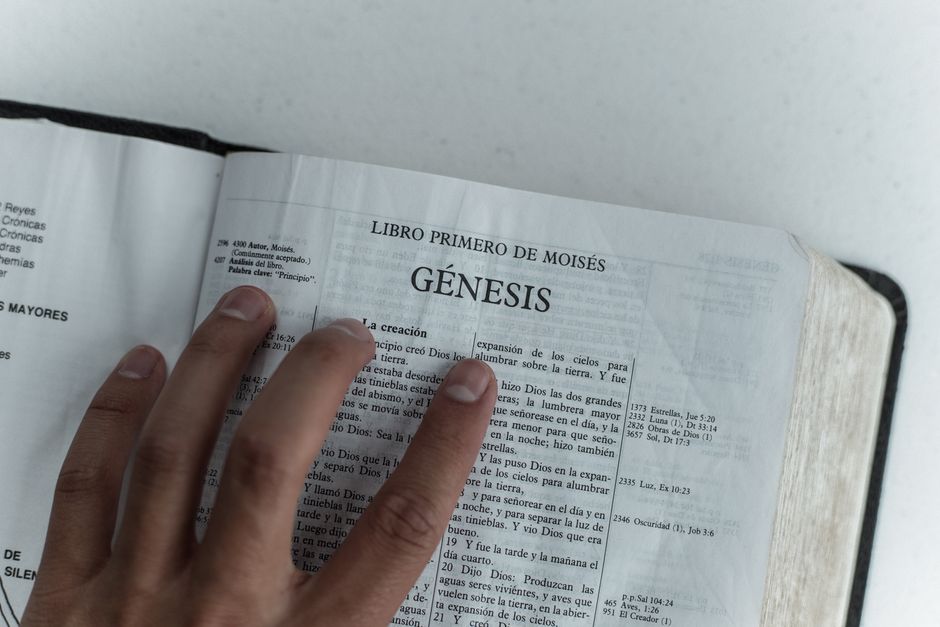
Welcome to this deep-dive study of 1 Kings 8, a monumental chapter that marks the spiritual zenith of Solomon’s reign. Together, we will explore the dedication of the Temple, the movement of the Ark of the Covenant, and Solomon’s profound prayer, uncovering timeless truths about God’s presence, our need for repentance, and the necessity of covenant faithfulness.
1 Kings 8 — Historical and Spiritual Context
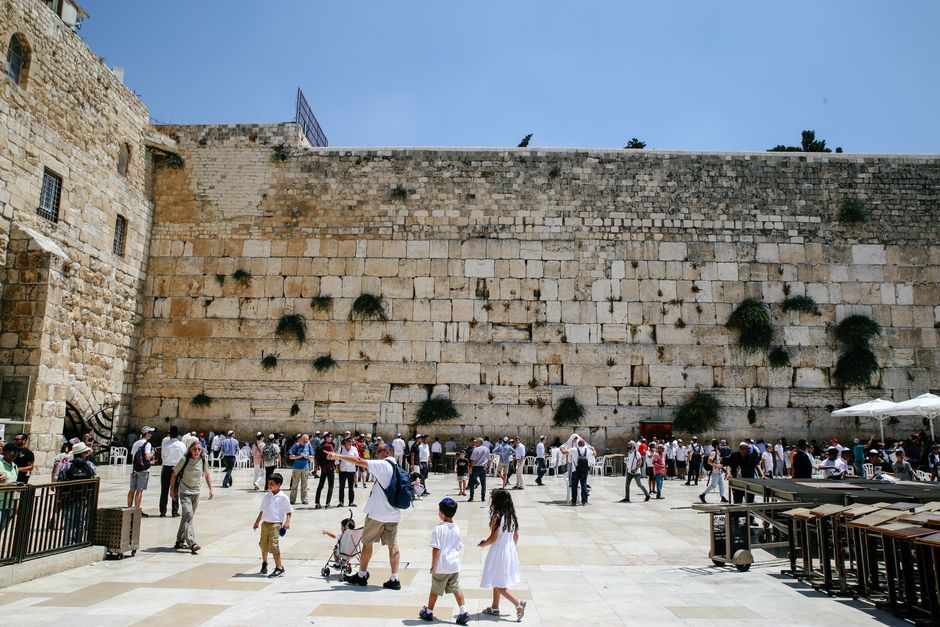
1 Kings 8 records the inauguration of the First Temple in Jerusalem, likely written by the Deuteronomistic historian during or shortly after the Babylonian exile to remind Israel of their covenantal roots. The narrative serves as a historical bridge, transitioning from the nomadic tent of the Tabernacle to the permanent, stone-hewn reality of a national house of worship. You can read 1 Kings 8 on Bible Gateway to ground your study in the full text.
The overarching theological theme of this chapter is the “Inhabitation of Glory”—the mystery that the infinite God, whom the heaven of heavens cannot contain, chooses to dwell among His people. For the modern believer, this chapter is a foreshadowing of the Incarnation and the indwelling of the Holy Spirit, teaching us that true worship is not merely about a location, but about a covenantal relationship maintained through humble prayer and constant repentance.
Verse-by-Verse Commentary on 1 Kings 8
1 Kings 8:10 — Meaning and Explanation
“And it came to pass, when the priests were come out of the holy place, that the cloud filled the house of the LORD.”
In this moment of dedication, the *kavod* (glory) of the Lord—the visible manifestation of His presence—descended upon the Temple. The Hebrew word for “cloud” here is *anan* (H6051), which historically shielded Israel from the Egyptians and guided them through the wilderness. By filling the house, God signaled His acceptance of the structure as His dwelling place.
Theological significance lies in the fact that the glory appeared only *after* the priests exited the holy place. This signifies that God’s presence is not manipulated by human ceremony, but sovereignly granted. It reminds us that our works, no matter how grand, are merely the preparation for God’s own sovereign move. When we prepare our hearts through obedience, we create the space for His glory to manifest in our lives.

1 Kings 8:27 — Meaning and Explanation
“But will God indeed dwell on the earth? behold, the heaven and heaven of heavens cannot contain thee; how much less this house that I have builded?”
Solomon’s rhetorical question touches upon the transcendence of God. Using the Hebrew *shamayim* (H8064), Solomon acknowledges that God is not limited by physical dimensions. This is a profound moment of humility; the king, who has just finished a monumental architectural feat, admits that his building is incapable of “housing” the Creator of the universe.
This verse serves as an essential correction to any “transactional” view of faith. Solomon understands that the Temple is not a prison for God, but a designated “meeting place” for His people. Today, this teaches us that while we meet God in our churches and prayer closets, we must never fall into the error of thinking He is limited to those spaces or that our religious structures can “contain” the Almighty.
1 Kings 8:38 — Meaning and Explanation
“What prayer and supplication soever be made by any man, or by all thy people Israel, which shall know every man the plague of his own heart, and spread forth his hands toward this house:”
The phrase “plague of his own heart” (*nega* H5061) refers to the internal spiritual decay or personal burden that separates a person from God. Solomon recognizes that the primary purpose of the Temple is to serve as a hospital for the soul. He asks God to hear the individual who has become aware of their own inner brokenness.
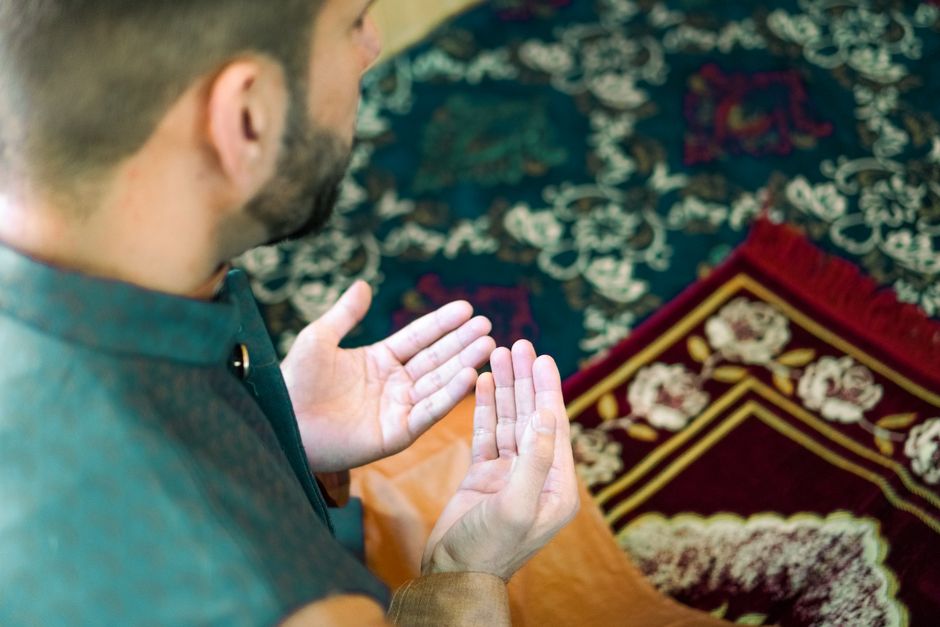
This is a powerful call to self-examination. In our modern context, this highlights the necessity of confession. God does not want a superficial display of religion; He wants an honest accounting of our internal condition. The “spreading forth of hands” is a posture of total surrender, acknowledging that we have nothing to offer but our honesty and our need for His mercy.
1 Kings 8:58 — Meaning and Explanation
“That he may incline our hearts unto him, to walk in all his ways, and to keep his commandments, and his statutes, and his judgments, which he commanded our fathers.”
Solomon’s desire is for the “inclining” of the heart. The Hebrew verb *natah* (H5186) implies a bending or stretching toward a goal. Solomon knows that human willpower is insufficient; left to our own devices, our hearts naturally drift away from God. Therefore, he prays for God to do the work of aligning our desires with His.
This verse is the antidote to legalism. We often think that “keeping the commandments” is a matter of sheer grit. Solomon teaches us that it is a byproduct of a heart that has been supernaturally bent toward God. When the heart is inclined toward the Father, obedience becomes the natural overflow of our love for Him, rather than a burdensome chore.
How to Apply 1 Kings 8 in Your Daily Life
Applying 1 Kings 8 to your life begins with a shift in perspective regarding your “inner temple.” Just as Solomon built a house for God’s name, we are encouraged by the New Testament to recognize our own bodies as temples of the Holy Spirit. In your daily work, strive to perform your tasks with the same dedication Solomon had for the Temple, viewing your career as a space where God’s presence should be felt by those around you. When you face professional frustration, remember the “plague of your heart”—take that burden directly to God in private prayer, acknowledging your need for His wisdom before you react to the situation.
In your family life, practice the posture of “spreading forth your hands.” This means leading your household not just through rules, but through shared, vulnerable prayer. When conflict arises, follow Solomon’s example of intercession: instead of immediately pointing out the flaws of your spouse or children, pray that God would “incline their hearts” and your own toward His ways. This creates a culture of grace where everyone is encouraged to be honest about their shortcomings, knowing that God’s presence is the ultimate goal of your home.
A Prayer Based on 1 Kings 8
Guided Scriptural Prayer
Heavenly Father, just as You filled the Temple with Your glory, I invite You to fill my heart with Your Holy Spirit today. Lord, I acknowledge that like Solomon, I cannot contain Your greatness, yet I am humbled that You choose to dwell within me. Reveal to me the “plague of my own heart”—those hidden areas of pride or doubt—that I may confess them and find renewal in Your presence. Please incline my heart toward Your commandments, that I might walk in Your ways not out of duty, but out of a deep, abiding love for You. May my life be a sanctuary where Your name is honored and Your grace is made known to all I encounter. Amen.
Frequently Asked Questions About 1 Kings 8
What is the main message of 1 Kings 8?
The main message of 1 Kings 8 is the faithfulness of God in fulfilling His covenant promise to David to establish a permanent house for His name. It emphasizes that while God is transcendent and cannot be contained by any physical building, He is also immanent and gracious, willing to hear the prayers of His people when they turn to Him in repentance. The chapter serves as a theological anchor for Israel, reminding them that their relationship with God is rooted in prayer, confession, and adherence to His statutes as established in the Mosaic and Davidic covenants.
What does “the plague of his own heart” mean in 1 Kings 8:38?
The phrase “the plague of his own heart” refers to the specific, internal spiritual struggle or sin that each individual faces. The Hebrew word *nega* implies a stroke or a smiting; it suggests that personal sin acts like a disease or a burden that separates the believer from the peace of God. Solomon’s prayer acknowledges that every person has a unique struggle that hinders their walk with God. He asks that when a person recognizes this internal “plague” and brings it to God in repentance at the Temple, God would graciously forgive and restore them.
Why did Solomon pray for God to “incline our hearts” in 1 Kings 8:58?
Solomon prayed for God to incline the hearts of the people because he understood the biblical truth that the human heart is prone to wandering. Throughout 1 Kings 8, Solomon recognizes that obedience is not merely a matter of human effort, but a result of God’s transformative grace. By asking God to “incline” or “bend” their hearts toward Him, Solomon was asking for the inward change necessary to love God’s laws. He realized that without God’s intervention, the people would eventually abandon the covenant, just as history eventually proved they did.
May the truths of this chapter strengthen your walk and deepen your reliance on the One who dwells within you.