
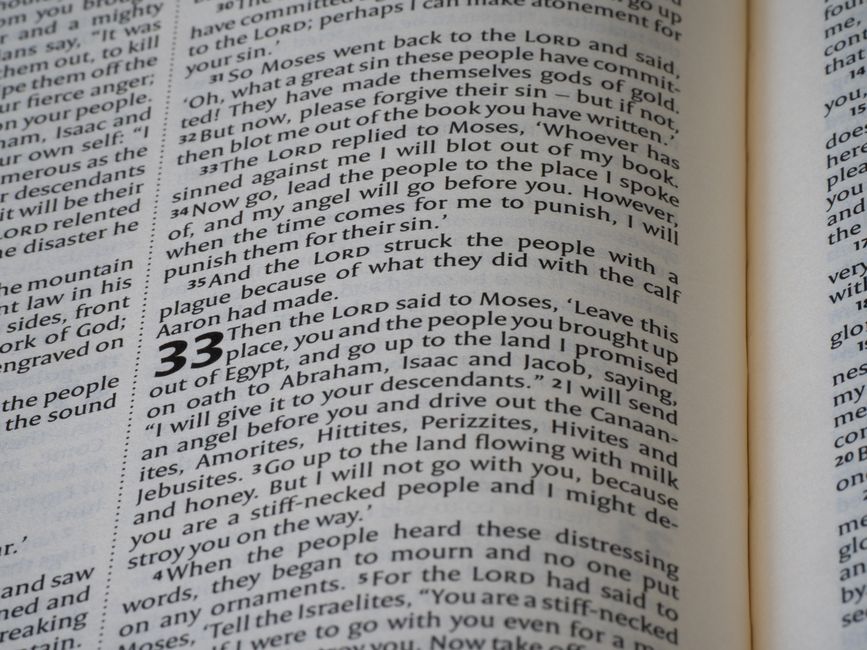
Welcome to this deep dive into the prophetic splendor of Isaiah 60. Together, we will explore the themes of divine restoration, the light of God’s glory piercing the darkness of the world, and the ultimate gathering of the nations unto the Messiah.
Isaiah 60 — Historical and Spiritual Context
Isaiah 60 was written by the prophet Isaiah during a period of deep national crisis, likely addressing the exiles who would eventually face the Babylonian captivity. It serves as a prophetic “pivot,” shifting from the judgment described in previous chapters to the radiant promise of Zion’s future restoration and the eternal kingdom of Christ. Read Isaiah 60 on Bible Gateway to see the full scope of this message.
Theologically, this chapter is a masterpiece of messianic hope, portraying the transformation of a desolate people into a light-bearing city. For the modern believer, Isaiah 60 remains a vital reminder that no matter how deep the darkness of our current circumstances, God’s glory is destined to rise upon His church, providing a beacon of hope, salvation, and gathering for a lost world.
Verse-by-Verse Commentary on Isaiah 60
Isaiah 60:1 — Meaning and Explanation
“Arise, shine; for thy light is come, and the glory of the Lord is risen upon thee.”
This verse serves as the clarion call of the entire chapter, urging the people of God to awaken from the gloom of their captivity. The Hebrew verb for “arise” (קוּם, H6965) implies standing up with purpose and readiness, while “shine” (אוֹר, H215) suggests the reflection of divine brilliance. It is not our own light, but the glory of the Lord that makes the radiance possible.
The “light” here is a direct prophecy of the Messiah, Jesus Christ, who later declared Himself the “light of the world” in John 8:12. When we look at the Strong’s Concordance entry for “glory” (כָּבוֹד, H3519), we find it signifies weight, splendor, and the very presence of God. For the believer, this is a call to manifest the transformative power of the Gospel in a dark, fallen world, reflecting the light of Christ in our daily conduct and character.

Isaiah 60:2 — Meaning and Explanation
“For, behold, the darkness shall cover the earth, and gross darkness the people: but the Lord shall arise upon thee, and his glory shall be seen upon thee.”
Isaiah describes a stark contrast between a world enveloped in “gross darkness” and the people of God who are illuminated by the presence of the Almighty. The Hebrew word for “darkness” (חֹשֶׁךְ, H2822) refers to the absence of spiritual truth, while “gross darkness” intensifies this to a state of moral and spiritual blindness that leaves humanity wandering in despair.
The theological weight of this verse lies in the promise of divine intervention. Even when the culture around us seems to be descending into chaos, the Lord “arises” (זָרַח, H2224), a word often used to describe the sun rising. Just as the sun dispels the night, the Lord’s presence effectively changes the atmosphere for those who belong to Him. It is a promise that, despite the world’s condition, the church is called to be a visible testament to God’s redemptive power.
Isaiah 60:19 — Meaning and Explanation
“The sun shall be no more thy light by day; neither for brightness shall the moon give light unto thee: but the Lord shall be unto thee an everlasting light, and thy God thy glory.”
This verse transports the reader into the eternal state, mirroring the imagery found in Revelation 21:23. The prophet declares that the physical sources of light—the sun and the moon—are secondary to the direct, unmediated presence of God. The Hebrew word for “everlasting” (עוֹלָם, H5769) implies an age-enduring, perpetual state that knows no dimming or cessation.
The lesson here is profound: our reliance on worldly comforts and natural provisions is temporary. The true light that sustains the soul is the Lord Himself. As we study this in relation to Blue Letter Bible resources, we see that the shift from created light to “uncreated light” symbolizes the intimacy of the New Jerusalem. It teaches the believer to place their ultimate hope not in the circumstances of this life, but in the eternal presence of the Creator.
Isaiah 60:22 — Meaning and Explanation
“A little one shall become a thousand, and a small one a strong nation: I the Lord will hasten it in his time.”
This verse speaks to the miraculous growth of God’s kingdom from humble, seemingly insignificant beginnings. The “little one” (קָטָן, H6996) represents the remnant or the few who remain faithful amidst trial. The prophecy assures us that God is the author of expansion, and He is the one who “hastens” (חוּשׁ, H2363) the fulfillment of His promises.
In the context of the kingdom of God, this serves as an encouragement to those who feel their efforts for the Gospel are small or ignored. God takes the “small” and multiplies it into a “strong nation.” The phrase “in his time” is a crucial reminder of divine sovereignty—we are called to be faithful in the sowing, but God is the one who determines the season of the harvest. It is a promise of ultimate victory for the work of the Lord.
How to Apply Isaiah 60 in Your Daily Life
Applying the truths of Isaiah 60 begins with a shift in perspective. In your family life, when you face seasons of discord or spiritual dryness, remember the command to “arise and shine.” Instead of reacting to the “darkness” of a difficult conversation or a rebellious child with frustration, choose to reflect the light of Christ through patience, grace, and prayer. By intentionally bringing the fruit of the Spirit into your home, you are allowing the glory of the Lord to be seen on you, turning your household into a sanctuary of light.
In your professional life, view your workplace not just as a place of labor, but as a mission field where the “gross darkness” of secularism or unethical behavior exists. When you operate with integrity in a place where others cut corners, you are fulfilling the role of a light-bearer. Just as Isaiah promised that the nations would come to the light of Zion, your consistent, godly character can attract colleagues to the truth of the Gospel. Trust that God will “hasten” the impact of your faithfulness in His perfect timing, even if you do not see the results immediately.
A Prayer Based on Isaiah 60
Guided Scriptural Prayer
Heavenly Father, I humble myself before You, acknowledging that You are my everlasting light and my eternal glory. When the world around me feels heavy with darkness and uncertainty, help me to arise and shine with the truth of Your Gospel. May Your presence be so evident in my life that others are drawn to the hope that is within me. I trust that even my smallest acts of obedience can be multiplied by Your hand into something great for Your kingdom. I wait patiently for Your timing, knowing that You are the one who hastens Your promises. Amen.
Frequently Asked Questions About Isaiah 60
What is the main message of Isaiah 60?
The main message of Isaiah 60 is the promise of the future glory of Zion through the redemptive work of the Messiah. It describes a time of restoration where the darkness covering the nations is dispelled by the light of God’s presence. The chapter prophesies that the nations will bring their wealth and honor to the city of God, signifying the gathering of the Gentiles into the kingdom. Ultimately, it serves as an eschatological hope for the church, pointing toward the eternal state where God Himself is the light of His people.
Who wrote Isaiah and why?
The book of Isaiah was written by the prophet Isaiah, the son of Amoz, who ministered in Jerusalem during the reigns of Uzziah, Jotham, Ahaz, and Hezekiah. He wrote to warn the nation of Judah of impending judgment due to their rebellion against God, but also to provide a message of hope and consolation for the remnant. Isaiah 60 is specifically written to encourage the exiles to look past their current suffering toward a glorious future where God will dwell eternally with His people and establish His kingdom.
What does verse 1 mean in Isaiah 60?
Isaiah 60:1 is a command to the people of God to awaken to the reality of His presence. The “light” that has come is a reference to the coming of the Messiah, Jesus Christ. By telling them to “arise and shine,” the prophet is calling the faithful to stop acting like captives living in darkness and start living as those who are illuminated by God’s glory. It is a call to action for the church to reflect the holiness and truth of God in a world that desperately needs the light of the Gospel.
May the light of God’s glory shine upon your path as you walk in the brightness of His truth today and always.