
Welcome to this deep-dive study of Luke chapter 9, a pivotal turning point in the Gospel where Jesus shifts His focus toward the cross and the cost of true discipleship. As we walk through these verses, we will explore the miraculous power of Christ, the mystery of the Transfiguration, and the radical call to self-denial that defines the life of a believer.
Luke 9 — Historical and Spiritual Context
Luke 9 serves as the bridge between Christ’s Galilean ministry and His final journey toward Jerusalem, written by Luke the physician for Theophilus to provide an orderly account of Jesus’ divinity and humanity. Composed around 60–63 A.D., this chapter captures the transition from the disciples’ initial awe of Jesus’ miracles to their necessary preparation for His impending passion. You can read Luke 9 on Bible Gateway to ground yourself in the text.
Theologically, Luke 9 emphasizes the identity of Jesus—as the Christ of God—and the nature of the Kingdom He came to establish. It is a chapter of contrasts: the abundance of the feeding of the five thousand against the poverty of the Son of Man who has nowhere to lay His head. For the modern believer, it serves as a mirror, challenging our commitment to follow Christ even when the path leads through suffering or social rejection.

Verse-by-Verse Commentary on Luke 9
Luke 9:23 — Meaning and Explanation
“And he said to them all, If any man will come after me, let him deny himself, and take up his cross daily, and follow me.”
This verse is the bedrock of Christian discipleship, marking the transition from “believing in” Jesus to “following” Him. The Greek word for “deny” is *aparneomai* (Strong’s G533), which implies a total loss of interest in one’s own self-asserted rights. It is not merely giving up a luxury, but a complete renunciation of the “self-life” that competes with the lordship of Christ.
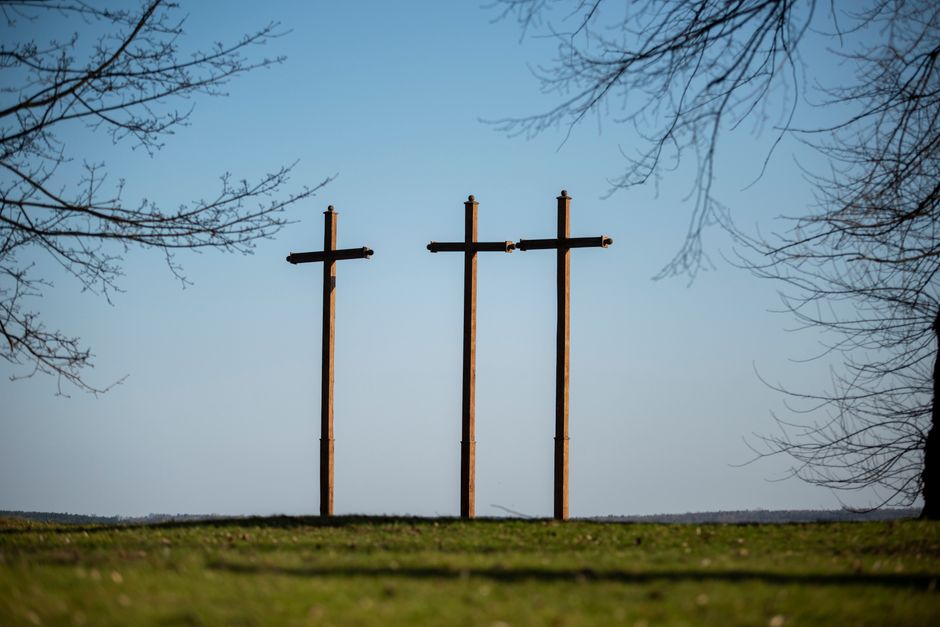
In the historical context, a “cross” was a Roman instrument of execution; to “take up his cross” was a terrifying image of a criminal marching to his own death. Jesus is teaching that the Christian life is not a hobby, but a death to our own ego, ambition, and autonomy. By adding the word “daily,” Luke emphasizes that this is not a one-time decision at the altar, but a persistent, hourly surrender of our will to the Father’s sovereign plan.
Luke 9:35 — Meaning and Explanation
“And there came a voice out of the cloud, saying, This is my beloved Son: hear him.”
During the Transfiguration, the Father speaks from a cloud—a traditional sign of the presence of God (the Shekinah glory). By commanding the disciples to “hear him,” the Father is effectively declaring that the Law (represented by Moses) and the Prophets (represented by Elijah) have culminated in the person of Jesus. He is the final, authoritative Word.
The Greek word for “hear,” *akouo* (Strong’s G191), carries the connotation of hearing with understanding and obedience. In a world of competing voices, this verse serves as a divine mandate to prioritize the teachings of Christ above all cultural, intellectual, or emotional pressures. We are not just to listen to His words; we are to allow His words to be the filter through which we interpret all of life.
Luke 9:48 — Meaning and Explanation
“And said unto them, Whosoever shall receive this child in my name receiveth me: and whosoever shall receive me receiveth him that sent me: for he that is at least among you all, the same shall be great.”
This verse shatters the worldly concept of hierarchy and status. Jesus uses a child—who in first-century society had no legal standing or power—to define true greatness in the Kingdom of God. The Greek word for “least,” *mikroteros* (Strong’s G3398), denotes one who is of small influence or low esteem.
In the economy of heaven, greatness is measured by service, not by recognition. To “receive” a child is to offer hospitality to those who can offer nothing in return. By identifying Himself with the lowest of the low, Jesus teaches us that our treatment of the marginalized is the true measure of our relationship with God. If we serve the “least,” we are serving the King of Kings.
Luke 9:62 — Meaning and Explanation
“And Jesus said unto him, No man, having put his hand to the plough, and looking back, is fit for the kingdom of God.”
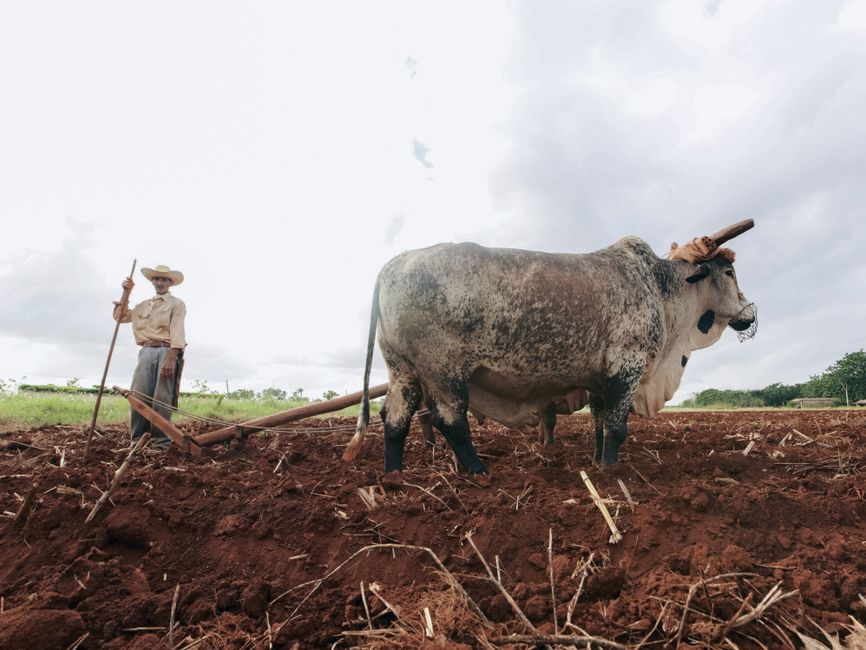
This challenging statement concludes the chapter, addressing those who wish to follow Jesus but are tethered to their past. A plowman in the ancient world needed to keep his eyes fixed on a point ahead to keep the furrow straight; looking back would result in a crooked line and a ruined harvest.
The word “fit,” or *euthetos* (Strong’s G2111), suggests being “well-placed” or “useful.” Jesus is warning that a divided heart—one that is physically following Him but emotionally longing for the comforts or habits of the “old life”—cannot fulfill the mission of the Kingdom. Spiritual fruitfulness requires a singular, forward-looking devotion to the work Christ has placed before us.
How to Apply Luke 9 in Your Daily Life
Applying Luke 9 in the modern world requires a shift from “convenience-based” Christianity to “covenant-based” living. In your family life, consider the call to be the “least” by intentionally serving your spouse or children in ways that go unnoticed. Whether it is handling the chores no one else wants or choosing to listen with patience when you are tired, you are practicing the self-denial Jesus modeled.
In the workplace, apply the lesson of the plow by maintaining integrity even when it feels like a disadvantage. When you face pressure to compromise, remember that your primary allegiance is to the Kingdom. Rather than looking back at how others might be “getting ahead” through shortcuts, keep your eyes on the standard Christ has set. By being the one who is reliable, humble, and honest, you become a witness that points others toward the truth of the Gospel.
A Prayer Based on Luke 9
Guided Scriptural Prayer
Heavenly Father, I come before You today, acknowledging that You are my beloved Lord and Savior. I desire to follow You, but I confess that my heart often clings to my own comfort and the ways of this world. Please help me to daily take up my cross and deny myself, trusting that Your way is better than my own. Give me the grace to see those around me through Your eyes, especially the “least” among us, and to serve them with Your love. I fix my eyes on You, refusing to look back, and ask that You make me fit for the work of Your Kingdom. Amen.
Frequently Asked Questions About Luke 9
What is the main message of Luke 9?
The main message of Luke 9 is the cost and character of true discipleship. It highlights the transition of Jesus’ ministry toward the cross, challenging His followers to abandon their own agendas and embrace His. Through events like the feeding of the five thousand, the Transfiguration, and the commissioning of the twelve, Luke demonstrates that Jesus is the Son of God and that following Him requires complete surrender, humility, and a singular focus on His Kingdom. You can find more detailed scholarly notes on Blue Letter Bible.
What does “taking up the cross” mean in Luke 9:23?
In Luke 9:23, “taking up the cross” is a metaphor for total submission to the will of God, even to the point of death. It is not about enduring minor inconveniences; it is about the willingness to suffer, be rejected, or lose one’s reputation for the sake of Christ. It signifies a public identification with Jesus that requires the death of one’s own ego and independent desires. It is a daily, intentional choice to prioritize Christ’s mission over personal security.
Why did Jesus tell the disciples not to look back in Luke 9:62?
Jesus used the imagery of the plow to illustrate that the Kingdom of God requires undivided attention and commitment. In the ancient world, a plowman who looked back would create a jagged, useless furrow. Similarly, a believer who is distracted by their past, their former comforts, or their worldly attachments cannot effectively advance the Gospel. Looking back represents a divided heart, and Jesus emphasizes that the Kingdom requires a forward-looking, fully engaged devotion.
May the truths of this chapter strengthen your walk and deepen your love for the One who walked this path before us.