
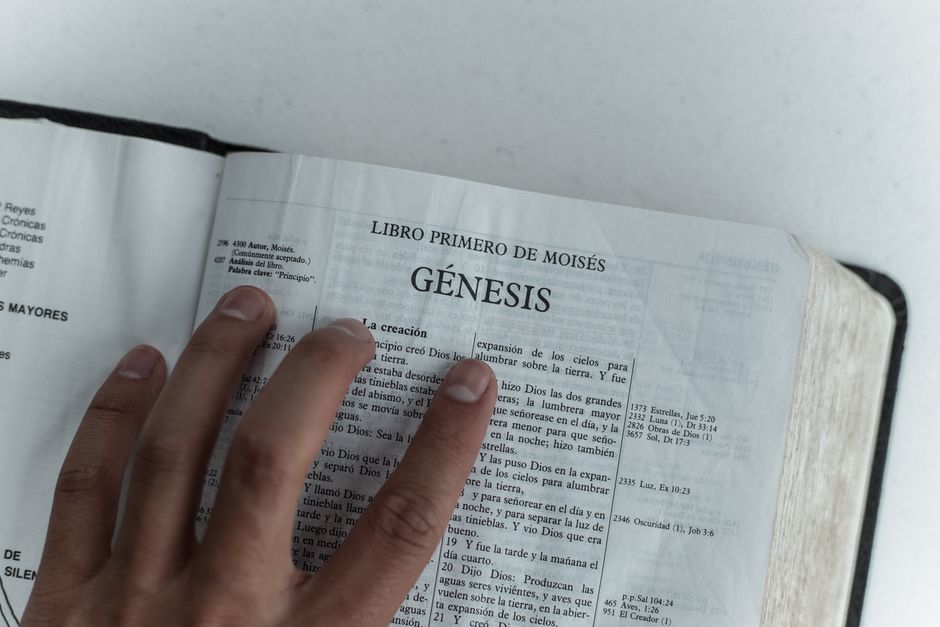
Welcome to this deep dive into the twelfth chapter of the Gospel of John. Together, we will traverse the threshold of the Passion Week, witnessing the extravagant devotion of Mary, the triumphal entry of our King, and the profound mystery of the grain of wheat that must fall to the earth to bear fruit.
John 12 — Historical and Spiritual Context
John 12 serves as the pivot point of the Fourth Gospel, transitioning from Jesus’ public ministry to the climactic events of His suffering, death, and glorification. Written by the Apostle John toward the end of the first century, this narrative captures the growing tension in Jerusalem as the religious leaders plot to kill Lazarus and Jesus, setting the stage for the final confrontation between the Light of the World and the encroaching darkness of the Cross. You can read John 12 on Bible Gateway to ground your heart in these sacred words before we begin our study.
The overarching theological theme of John 12 is the necessity of self-denial and the glorification of God through the suffering of His Son. For the modern believer, this chapter matters because it challenges our desire for worldly approval and comfort, calling us instead to follow Christ in a life of “dying to self” so that we might truly live. It is a profound meditation on the cost of discipleship and the assurance that even in the face of death, the Son of God remains the ultimate victor over the world’s rejection.

Verse-by-Verse Commentary on John 12
John 12:3 — Meaning and Explanation
“Then took Mary a pound of ointment of spikenard, very costly, and anointed the feet of Jesus, and wiped his feet with her hair: and the house was filled with the odour of the ointment.”
This verse captures a moment of radical, uncalculating worship where Mary of Bethany pours out her most valuable possession upon the Savior’s feet. Historically, this act was a massive financial sacrifice, representing an entire year’s wages. By wiping His feet with her hair, Mary displays the ultimate posture of humility, disregarding social taboos to honor the One who had restored her brother, Lazarus, to life.
The Greek word for “spikenard” is *nardos* (G3473 in Strong’s Concordance), a rare and expensive perfume imported from India. This act of “anointing” (*aleiphō*) was not merely a gesture of hospitality; it was a prophetic act of preparation for Jesus’ burial. Spiritually, this teaches us that true worship is not measured by what we give, but by what we are willing to sacrifice. Mary’s love was not “reasonable” by the world’s standards—much like Judas Iscariot’s cold calculation—but it was exactly the kind of devotion that pleases the heart of God.

John 12:24 — Meaning and Explanation
“Verily, verily, I say unto you, Except a corn of wheat fall into the ground and die, it abideth alone: but if it die, it bringeth forth much fruit.”
In this verse, Jesus provides a divine metaphor for His own impending death and the subsequent expansion of the Kingdom of God. The “corn of wheat” (Greek: *kokkos sitou*, G2848) represents Jesus Himself, who must be buried in the earth of the grave to break the cycle of human sin and produce the “fruit” of salvation for all mankind.
This is the foundational principle of the Christian life: the Law of the Seed. Just as a seed must lose its identity as a grain to become a stalk of wheat, we must be willing to let go of our self-centered ambitions to experience the resurrection life of Christ. If we cling to our “own life” (*psychē*, G5590), we remain alone and stagnant; if we surrender it, we become part of a harvest that reaches into eternity. It is an invitation to move from self-preservation to self-sacrifice.
John 12:32 — Meaning and Explanation
“And I, if I be lifted up from the earth, will draw all men unto me.”
Jesus here speaks of the “lifting up,” a double-entendre referring both to the physical lifting of His body upon the wooden Cross and His subsequent exaltation to the right hand of the Father. The Greek word *hypsōthō* (G5312) implies a heightening or exalting. By the Cross, Jesus becomes the central gravity of history, pulling the hearts of men of every nation, tribe, and tongue toward Himself.
The theological significance is profound: the Cross is not a symbol of defeat, but the ultimate magnet of divine love. While the world sees weakness in the crucified Christ, the believer sees the power of God drawing us out of our alienation. It is the finished work of redemption that provides the “pull” of the Holy Spirit, enabling fallen humanity to find their way home to the Father.

John 12:46 — Meaning and Explanation
“I am come a light into the world, that whosoever believeth on me should not abide in darkness.”
In these closing verses of His public ministry, Jesus identifies Himself as the Light (*phōs*, G5457) that dispels the darkness of ignorance and sin. To “abide” (*menō*, G3306) in darkness is to remain in a state of separation from God. Jesus declares that His arrival is the decisive point in human history: the Light has come, and the choice is now set before every soul.
The spiritual lesson here is one of decision and clarity. We do not have to live in the “darkness” of confusion, fear, or worldly skepticism. Faith in Jesus is the switch that turns on the illumination of the soul. When we believe, we are transferred from the kingdom of darkness into His marvelous light, finding our way in a world that is otherwise lost.
How to Apply John 12 in Your Daily Life
Applying John 12 begins with the “Mary-like” courage to prioritize your relationship with Christ over the opinions of those around you. In your family, this might look like choosing to spend time in prayer or scripture reading when the world demands your constant busyness; it is an act of “wasting” your time on the Lord, which the world will call foolish, but God calls worship. When you feel the pressure to conform, remember that Mary did not seek the approval of the disciples—she sought the pleasure of her Lord.
In your professional life, practice the “law of the grain of wheat.” Instead of fighting for credit, status, or the last word, look for ways to “die to self” by serving your colleagues and prioritizing the success of the team over your own ego. When you allow your pride to be buried, you will find that it produces “much fruit” in the form of deeper trust, stronger relationships, and a witness that points others toward the light of Christ.
A Prayer Based on John 12
Guided Scriptural Prayer
Heavenly Father, I come before You today, humbled by the sacrifice of Your Son who fell to the earth like a grain of wheat so that I might live. Please grant me the grace to offer my own life as a fragrant sacrifice, laying down my ambitions and fears at Your feet. Help me to walk in the light of Your truth, refusing to abide in the shadows of this world’s expectations. As Jesus was lifted up for me, may my life be a testimony that draws others to His saving grace. I surrender my heart to You, trusting that in dying to myself, I will find the true fruit of Your Spirit. Amen.
Frequently Asked Questions About John 12
What is the main message of John 12?
The main message of John 12 is the necessity of the Cross for the salvation of the world and the call to radical discipleship. The chapter transitions from the public ministry of Jesus to the private, sacrificial preparation for His death. Through the anointing at Bethany, the triumphal entry, and the analogy of the grain of wheat, the chapter teaches that the glory of God is revealed through self-denial. It underscores that those who wish to follow Jesus must be willing to let go of their earthly lives to gain eternal life, emphasizing that faith in the “Light” is the only remedy for the darkness of the world.
What does “abide in darkness” mean in John 12:46?
To “abide in darkness” refers to a state of spiritual blindness and separation from God, where one remains under the judgment of sin. In the Greek, “abide” (*menō*) suggests a settled, continuous state of dwelling. Jesus is warning that without faith in Him, a person remains in the “darkness” of their own fallen nature, unable to see the truth or experience the life of God. By contrast, belief in Jesus acts as a transition, moving the believer out of that dark, stagnant state and into the light of God’s presence and eternal truth.
Why did Jesus speak about the “grain of wheat” in John 12:24?
Jesus used the metaphor of the grain of wheat to explain the purpose of His impending death. A single seed in a bag is safe but unproductive; it must be buried in the soil to fulfill its purpose of producing a harvest. Jesus was teaching His disciples—and us—that His death was not a failure but a divine necessity. Just as the seed must lose its outer shell to sprout, Jesus had to experience the “burial” of death to bring forth the “fruit” of redemption for all mankind. It is a powerful lesson on the necessity of sacrifice to produce spiritual life.
May the light of Christ illuminate your path today and fill your heart with the peace that passes all understanding.