
Welcome to this deep-dive study of John 20, a pivotal chapter that serves as the climax of the Fourth Gospel. As we journey through these verses, we will explore the profound implications of the Resurrection, the transformation of grief into joy, and the commission of the Church to carry forth the mission of Christ.
John 20 — Historical and Spiritual Context
John 20 was penned by the Apostle John, likely toward the end of the first century, around 90–95 AD, from Ephesus. Written to a church facing both internal heresy and external persecution, John’s narrative serves as a historical testimony to the physical resurrection of Jesus Christ, providing the ultimate evidence that Jesus is the Son of God. You can read John 20 on Bible Gateway to ground yourself in the text.
The theological significance of this chapter cannot be overstated; it marks the transition from the Old Covenant to the New, where the Risen Lord breathes the Holy Spirit into His people. For the modern believer, John 20 is the bedrock of faith, transforming the grave from a place of finality into a doorway of eternal hope. It assures us that our labor in the Lord is never in vain because the tomb is empty.
Verse-by-Verse Commentary on John 20
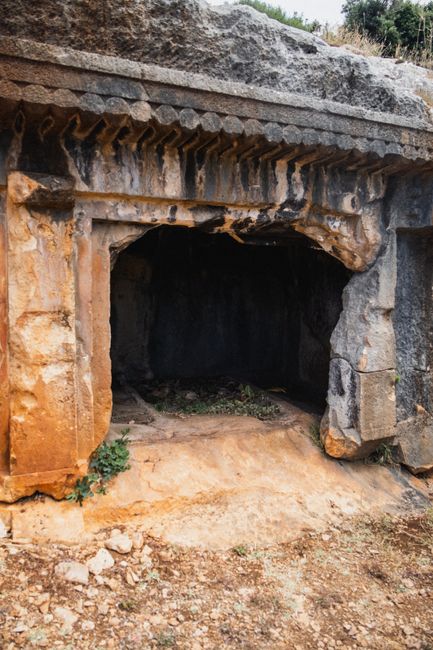
John 20:1 — Meaning and Explanation
“The first day of the week cometh Mary Magdalene early, when it was yet dark, unto the sepulchre, and seeth the stone taken away from the sepulchre.”
The “first day of the week” is significant as it marks the beginning of a new creation, shifting the focus from the Sabbath rest of the old order to the resurrection life of the new. The Greek word for “dark” here is *skotia* (Strong’s G4653), often signifying moral or spiritual darkness, which aptly describes the state of the disciples’ hearts as they approached the tomb.
Mary’s early arrival reflects a devotion that transcends fear. She expected to find a corpse; instead, she found the stone moved. In the original Greek, the “taking away” of the stone implies that it was removed to let the light of the Resurrection out, not to let the disciples in. This moment serves as a powerful reminder that God often moves the obstacles in our lives long before we arrive at the scene of our greatest anxieties.
John 20:17 — Meaning and Explanation
“Jesus saith unto her, Touch me not; for I am not yet ascended to my Father: but go to my brethren, and say unto them, I ascend unto my Father, and your Father; and to my God, and your God.”
In this tender encounter, Jesus uses the Greek word *haptomai* (Strong’s G680), which conveys the idea of clinging to or holding onto someone. Jesus is not forbidding touch entirely, but rather correcting Mary’s desire to hold onto the earthly, pre-resurrection relationship. He is transitioning her toward a new, spiritual intimacy that will be mediated through the Holy Spirit.
The theological weight of this verse lies in the phrase “my Father, and your Father.” By using this language, Jesus formally adopts His followers into the family of God, establishing a covenantal relationship where the Father of the Son becomes the Father of the believer. This is the cornerstone of our identity; we no longer stand as servants, but as siblings of the Risen King.
John 20:22 — Meaning and Explanation
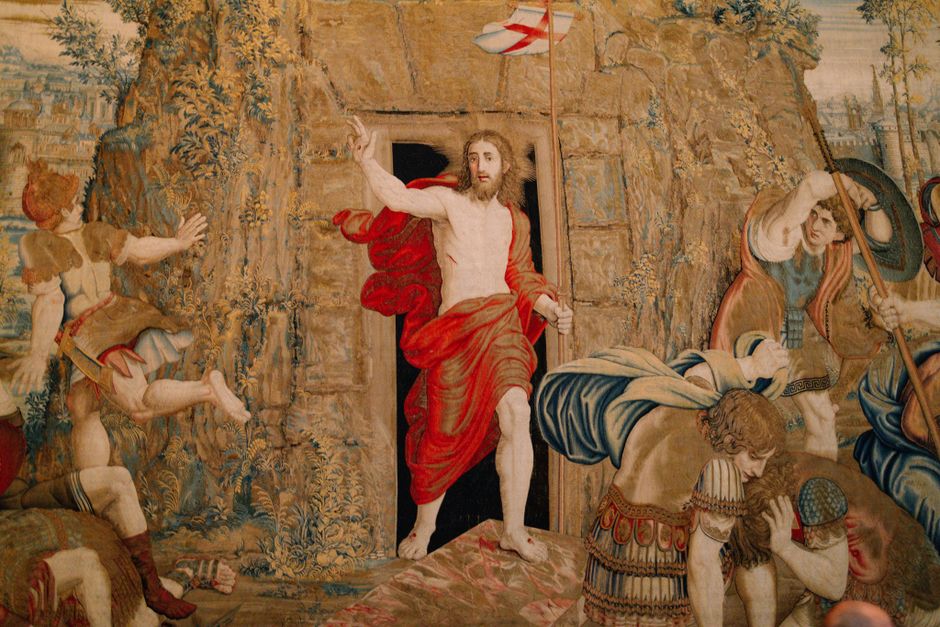
“And when he had said this, he breathed on them, and saith unto them, Receive ye the Holy Ghost:”
The act of breathing on the disciples is a deliberate echo of Genesis 2:7, where God breathed the “breath of life” into Adam. Here, Jesus is performing a new creation. The Greek word for “breathed” is *emphusaō* (Strong’s G1720), a term unique to this passage in the New Testament, signifying the infusion of the divine life-force into the apostolic community.
This is the “proleptic” gift of the Spirit—a foretaste of the Pentecostal outpouring. It signifies that the mission of the Church is not empowered by human strength, but by the very life of the Resurrected Christ dwelling within. Just as Adam was created for fellowship with God, the Church is created for the mission of reconciliation in the world.
John 20:29 — Meaning and Explanation
“Jesus saith unto him, Thomas, because thou hast seen me, thou hast believed: blessed are they that have not seen, and yet have believed.”
This verse addresses the skepticism of Thomas and serves as a beatitude for every generation of Christians since the first century. The word “blessed” (*makarios*, Strong’s G3107) denotes a state of profound spiritual happiness and divine favor that is independent of external circumstances.
Thomas represents the human struggle for tangible proof, yet Jesus highlights the superiority of faith that rests on the testimony of the Word. By prioritizing those who “have not seen,” Jesus elevates the role of the Scriptures and the apostolic witness. Our faith is not a blind leap into the dark, but a firm conviction based on the historical reality of the Resurrection, mediated through the Holy Spirit.

How to Apply John 20 in Your Daily Life
Applying John 20 begins with the recognition that the Resurrection is not just a historical event, but a daily reality. In your family life, when you face “dark” circumstances—whether it be financial strain or relational conflict—remember Mary Magdalene. Approach the “tomb” of your problems with the expectation that God has already been at work to move the stones of your anxiety, even when you cannot yet see the outcome.
In the workplace, adopt the posture of the commissioned disciple. Jesus breathed the Spirit into His followers and sent them out; you are likewise sent into your office, school, or home as a witness to the Risen Lord. When you encounter skepticism or feel like an outsider, recall Thomas. Your faith is a gift, and your commitment to truth, even when others demand “proof,” is a powerful testimony to the reality of Christ living in you. Seek to be a conduit of His peace—the same peace He breathed upon the disciples—in every interaction.
A Prayer Based on John 20
Guided Scriptural Prayer
Lord Jesus, who conquered the grave and appeared to Your disciples in the fullness of peace, I thank You for the gift of Your life within me. Just as You breathed the Holy Spirit into Your followers, breathe new life into my weary heart today. Help me to trust You even when I cannot see the path forward, and may I live as one who knows that You are my Lord and my God. Grant me the courage to carry Your mission of reconciliation into every corner of my life. May my faith be a beacon to those who have not seen, that they might believe and have life in Your name. Amen.
Frequently Asked Questions About John 20
What is the main message of John 20?
The central message of John 20 is the vindication of Jesus Christ as the Son of God through His bodily resurrection. The chapter moves from the sorrow of the tomb to the joy of the encounter with the Risen Lord, emphasizing that faith in Christ leads to eternal life. As stated in John 20:31, these things are written so that “ye might believe that Jesus is the Christ, the Son of God; and that believing ye might have life through his name.” It is a chapter about transition, transformation, and the empowerment of the Church for global mission.
Who wrote John and why?
The Apostle John, the “disciple whom Jesus loved,” wrote this Gospel to provide a theological and historical account of Jesus’ life. Unlike the Synoptic Gospels, John focuses on the divine nature of Christ. He wrote this account toward the end of the first century to strengthen the faith of believers and to counter emerging Gnostic heresies that denied the physical reality of Jesus’ incarnation and resurrection. John 20 serves as his primary evidence, documenting the physical appearances of Jesus to prove that the resurrected body is both real and transformative.
What does “Receive ye the Holy Ghost” mean in John 20:22?
This verse records a significant moment where Jesus imparts the Holy Spirit to His disciples before His ascension. While many theologians view this as a symbolic empowerment or a “down payment” of the Spirit that would fully come at Pentecost (Acts 2), it signifies the official commissioning of the Church. By breathing on them, Jesus connects the new life of the Resurrection to the life of the Church. It marks the transition from the disciples being followers of a teacher to being ambassadors of the Risen Lord, equipped with divine authority to forgive sins and proclaim the Gospel.
May the peace of the Risen Lord dwell in your heart as you continue to walk in the light of His truth.