
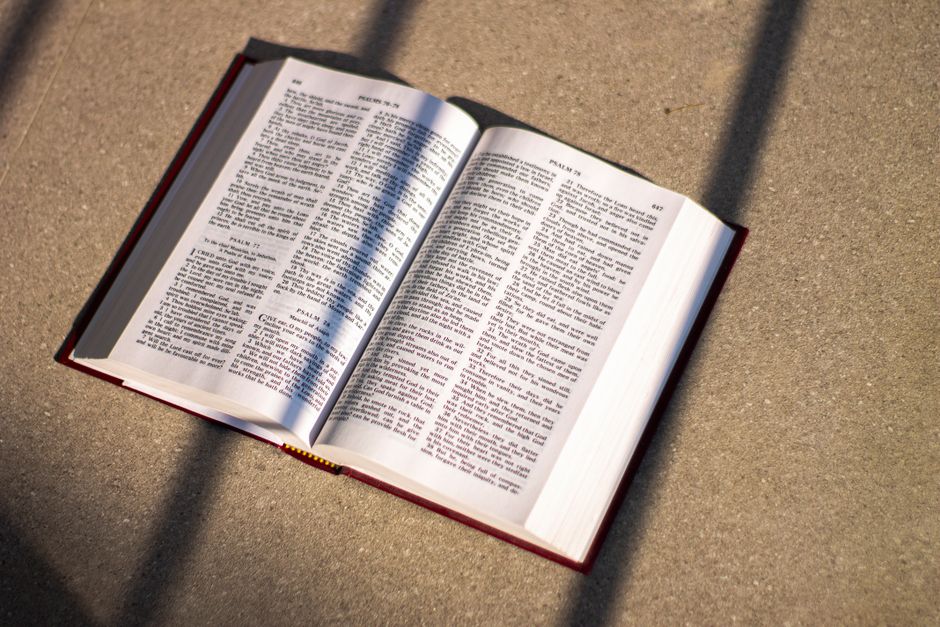
Welcome to this sacred space of reflection as we open the pages of Psalm 51, a profound blueprint for restoration and the soul’s deepest cry for mercy. Together, we will walk through David’s journey of brokenness and grace, discovering how a heart laid bare before God becomes the very vessel through which His transformative power flows.
Psalm 51 - Historical and Spiritual Context
Psalm 51 was penned by King David in the crushing aftermath of his moral failure with Bathsheba and his orchestration of Uriah’s death. Following the prophetic confrontation by Nathan, David’s pride was shattered, leaving him in a state of raw, unvarnished vulnerability. This Psalm is not merely an apology; it is a theological masterpiece of confession. David moves past the social and political consequences of his sin to address the root of the issue: his violation of God’s holiness. By acknowledging that his transgression was ultimately against God alone, he demonstrates a profound understanding of the nature of sin as a relational rupture between the Creator and the created.
The overarching spiritual theme of this Psalm is the sufficiency of God’s grace to reconstruct what sin has dismantled. David does not attempt to minimize his guilt or negotiate with the Almighty; instead, he throws himself upon the "abundant mercy" of the Lord. This chapter serves as a timeless guide for every believer, teaching us that while sin may attempt to define us, a repentant heart—one that is truly "broken and contrite"—is the exact sacrifice God desires. It is a reminder that the path to spiritual renewal begins not with our efforts to perform better, but with a total surrender to God’s ability to "create" something new within us.

Detailed Verse-by-Verse Commentary
Study of Psalm 51:1
**"Have mercy upon me, O God, according to your steadfast love; according to your abundant mercy blot out my transgressions."**
The Hebrew word for "mercy" here is *chanan*, which implies a gracious, unmerited favor shown by a superior to an inferior. David appeals not to his own record or his status as king, but to God’s *hesed*—His "steadfast love" or covenant loyalty. The phrase "blot out" (Hebrew: *machah*) carries the imagery of wiping away ink from a scroll or erasing a debt from a ledger. David recognizes that his sin has left a permanent mark that only the eraser of divine grace can remove. He asks for a total cleansing, acknowledging that his past actions have created a stain that he is powerless to remove on his own.
Study of Psalm 51:10
**"Create in me a clean heart, O God, and renew a right spirit within me."**
This is the heartbeat of the Psalm. The word "create" (*bara*) is the same verb used in Genesis 1:1 for God’s act of creating the universe out of nothing. David realizes that his heart is not just dirty; it is fundamentally broken and incapable of self-repair. He is asking for a miracle—a *creatio ex nihilo* (creation out of nothing) within his own soul. He desires a "right spirit" (*ruach nachon*), which implies a spirit that is steadfast, fixed, and aligned with God’s will. It is a plea for a total internal renovation that only the Holy Spirit can perform.
Study of Psalm 51:17
**"The sacrifices of God are a broken spirit; a broken and contrite heart, O God, you will not despise."**
In the Old Testament system, sacrifices were the standard way to approach God. Yet, David realizes that outward rituals are hollow if the inner man remains unchanged. A "broken" (*shabar*) heart is one that has been shattered by the weight of its own sin, and a "contrite" (*dakah*) heart is one that is crushed or humbled. God does not look down on this brokenness; rather, He "will not despise" it. This is a beautiful paradox: in our greatest moment of personal defeat, when we are most broken, we are actually in the most acceptable position before the throne of God.

Practical Application for Your Daily Life
Applying Psalm 51 to your modern life begins with the daily habit of "short accounts." Just as David did not wait for the consequences of his sin to destroy his legacy, we are encouraged to bring our small irritations, prideful thoughts, and hidden struggles to God before they take root. In your workplace or family life, this looks like a posture of humble accountability. Instead of justifying your reactions or defending your ego when you err, practice the courage of saying, "I was wrong; please forgive me." By modeling this repentance, you create an atmosphere of grace that allows those around you to be honest about their own struggles as well.
Furthermore, make the "clean heart" prayer a part of your morning routine. Before you check your phone or dive into the demands of your schedule, ask the Holy Spirit to search your heart for any "wicked way." This isn't about fostering a spirit of guilt, but rather a spirit of alignment. When you consciously invite God to renew your "right spirit," you are arming yourself against the pressures of the day. You are choosing to operate out of the wholeness that God has created within you, rather than the fragmented, defensive way we often navigate our busy lives.
Daily Prayer and Reflection
Guided Scriptural Prayer
Heavenly Father, I come before You today acknowledging my need for Your constant cleansing and grace. Create in me a clean heart, Lord, and sweep away the remnants of pride or distraction that keep me from walking in Your light. I bring my brokenness to You, trusting that You do not turn away from a contrite soul, but instead, You restore and renew me. Thank You for Your steadfast love that is new every morning and for the gift of a fresh start. Amen.
May your day be filled with the peace of a restored heart and the quiet confidence that comes from living in the light of God’s grace.