
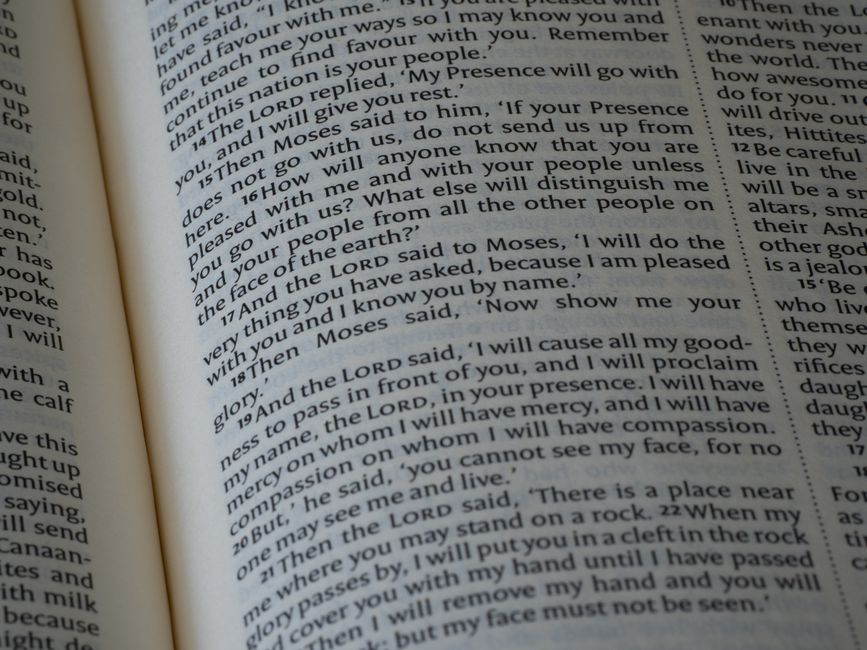
Welcome to this deep dive into the fourth chapter of Exodus, a pivotal narrative where God strips away the excuses of a reluctant prophet to reveal His omnipotent sufficiency. Together, we will explore the themes of divine patience, the nature of human inadequacy, and the empowering presence of the Almighty in our own lives.
Exodus 4 — Historical and Spiritual Context
Exodus 4 finds Moses in the wilderness of Midian, approximately 1,446 B.C., standing before the burning bush as God commissions him to lead the Israelites out of Egyptian bondage. This chapter records the dramatic dialogue between a hesitant Moses and the sovereign Yahweh, shifting from the private encounter at Horeb to the eventual journey toward Egypt, marking the transition from Moses the shepherd to Moses the deliverer. You can read Exodus 4 on Bible Gateway to ground yourself in the text.
The overarching theological theme of Exodus 4 is the triumph of God’s grace over human insufficiency. It serves as a profound reminder that God does not call the equipped; He equips the called. For the modern believer, this chapter is a mirror reflecting our own insecurities and “buts” when God calls us to service, offering the comfort that God’s presence is the only qualification required for any mission He assigns.

Verse-by-Verse Commentary on Exodus 4
Exodus 4:2 — Meaning and Explanation
“And the LORD said unto him, What is that in thine hand? And he said, A rod.”
God’s question to Moses is not one of ignorance, but of pedagogical intent. By asking “What is that in thine hand?”, the Lord forces Moses to identify the very tool he had been using as a shepherd in the mundane tasks of life. In Hebrew, the word for rod is *matteh* (Strong’s H4294), which signifies a staff of authority or a shepherd’s crook. It was a symbol of Moses’ past life, his livelihood, and his identity as an exile.
The spiritual lesson here is profound: God often uses what we already have to accomplish His divine purposes. Moses viewed the rod as a common tool; God viewed it as a vessel for His power. Once Moses surrendered the rod to the Lord, it was transformed into the “rod of God,” capable of parting seas and striking rocks. This teaches us that our talents, vocations, and resources, when yielded to the Creator, become instruments of supernatural impact.
Exodus 4:11 — Meaning and Explanation
“And the LORD said unto him, Who hath made man’s mouth? or who maketh the dumb, or deaf, or the seeing, or the blind? have not I the LORD?”
This verse addresses the root of Moses’ resistance: his perceived speech impediment. Moses argues that he is not eloquent, but God responds by asserting His absolute sovereignty as the Creator of the human anatomy. The Hebrew term for “made” here is *sum* (Strong’s H7760), implying the act of establishing or appointing. God is the architect of human capacity, and He is not limited by the physical limitations He has ordained.
Theologically, this verse refutes the notion that our physical or mental limitations are obstacles to God’s plan. If God is the Creator of the mouth, He is certainly capable of empowering that mouth to speak His truth. This is a rebuke to our self-sufficiency; we often focus on our own lack, while God focuses on His creative power that transcends our biology. When we offer our weaknesses to Him, He transforms our “inability” into a platform for His glory.
Exodus 4:14 — Meaning and Explanation
“And the anger of the LORD was kindled against Moses, and he said, Is not Aaron the Levite thy brother? I know that he can speak well. And also, behold, he cometh forth to meet thee: and when he shall see thee, he will rejoice in thy heart.”
God’s anger, or *aph* in Hebrew (Strong’s H639), was sparked by Moses’ continued obstinacy despite the miraculous signs provided. However, we see the beautiful tension of divine justice and mercy: while God is displeased with Moses’ lack of faith, He still provides a companion in Aaron. This highlights the importance of the body of Christ; God often provides “Aaron-figures” in our lives—mentors or partners—to help us fulfill the calling we feel too weak to carry alone.
This moment serves as a corrective for the believer. We are not meant to walk in isolation. Even the great prophet Moses required the support of his brother. The spiritual lesson is twofold: first, we must guard against persistent disobedience disguised as humility; and second, we should recognize and embrace the community God provides to strengthen our hands for the work of the Kingdom.
Exodus 4:20 — Meaning and Explanation
“And Moses took his wife and his sons, and set them upon an ass, and he returned to the land of Egypt: and Moses took the rod of God in his hand.”
The mention of the “rod of God” here is a turning point in the narrative. Previously, it was Moses’ rod; now, it is identified as God’s. The Hebrew word *elohim* (Strong’s H430) for God, coupled with the rod, signifies that the authority now resting in Moses’ hand is divine. He has finally accepted his commission and is moving forward in obedience, taking his family back to the place of his greatest fear.
For the modern reader, this represents the transition from hesitation to action. The rod is the symbol of the believer’s authority in Christ. When we stop looking at our own hands and start looking at the “rod of God”—the Word of God and the power of the Holy Spirit—our fear of the “Egypts” in our own lives diminishes. We move forward not because we are strong, but because we carry the authority of the One who sent us.

How to Apply Exodus 4 in Your Daily Life
Applying Exodus 4 begins with an honest inventory of your “rod.” In your workplace, perhaps you feel unqualified to lead a project or speak up for your values. Instead of focusing on your lack of experience, pray, “Lord, this is what I have—my skills, my time, my voice. Use it as Your rod.” By surrendering your resources to God, you move from relying on your own strength to relying on His provision.
In your family life, look to the example of Aaron. If you are struggling with a difficult season, stop trying to be the lone hero. God often provides support through spouses, friends, or church communities. Reach out to a mentor or a prayer partner. By acknowledging that you cannot do it alone, you are not showing weakness, but rather following the biblical pattern of mutual support that God established for His people.
A Prayer Based on Exodus 4
Guided Scriptural Prayer
Heavenly Father, I confess that like Moses, I often look at my own inadequacies rather than Your infinite power. Forgive me for the times I have let fear and doubt silence my witness. I surrender the “rod” of my life—my talents, my career, and my home—into Your hands, asking that You would use them for Your glory. Please provide me with the wisdom and community I need to walk in the calling You have placed upon me. Remind me daily that because You are with me, I am never truly alone or ill-equipped. Amen.
Frequently Asked Questions About Exodus 4
What is the main message of Exodus 4?
The main message of Exodus 4 is that God’s power is perfected in human weakness. When Moses offers excuses regarding his lack of eloquence and ability, God consistently redirects him to His own sovereignty. The chapter teaches that God’s call is not dependent on our perceived qualifications, but on His willingness to use us. Through the transformation of the rod and the provision of Aaron, the text emphasizes that God provides everything necessary—including resources, authority, and companionship—for the tasks He assigns.
What does the “rod of God” symbolize in Exodus 4?
In Exodus 4:20, the shepherd’s staff is renamed the “rod of God.” This symbolizes the transition of authority from human effort to divine power. When Moses held the rod, it was merely wood; when he yielded it to God, it became a symbol of God’s presence, authority, and miraculous intervention. For the believer, the rod represents the tools, talents, and gifts God has placed in our hands. When we consecrate these to Him, they become instruments through which His supernatural work is accomplished in the world.
Why was the Lord angry with Moses in Exodus 4:14?
The anger of the Lord was kindled against Moses because, despite being given miraculous signs (the rod turning into a serpent, the leprous hand) and the promise of God’s constant presence, Moses continued to insist that he was unfit for the mission. This persistent refusal was an affront to God’s sufficiency. It revealed a lack of faith in God’s ability to work through him. However, God’s anger did not lead to the abandonment of Moses; instead, He showed grace by providing Aaron to assist him, illustrating the balance of divine discipline and mercy.
May the truths found in this chapter embolden your faith and remind you that you are never alone in the work to which God has called you.