
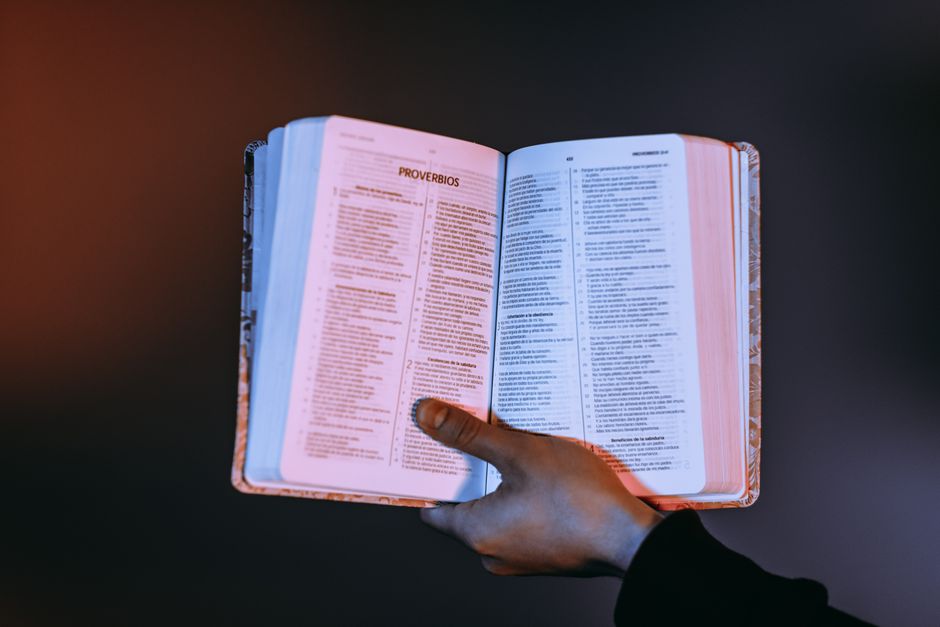
What Does the Bible Say About gods provision?
The Bible teaches that God’s provision is the sovereign, gracious, and continuous act of the Creator sustaining His creation, meeting both physical and spiritual needs according to His divine will. It is not merely the fulfillment of human desire, but the orchestration of circumstances to align the believer with His eternal purposes.
In the Old Testament, the concept of provision is quintessentially captured in the name Jehovah Jireh (The LORD will provide), revealed in Genesis 22:14. The Hebrew word for “provide” here is ra’ah (Strong’s H7200), which literally means “to see.” This suggests that God’s provision is rooted in His divine foresight—He sees the need before it arises and positions the solution accordingly. You can explore the depths of this Hebrew term through the Blue Letter Bible to understand how God’s “seeing” is synonymous with His “acting” on behalf of His covenant people.
For modern Christians, understanding God’s provision is essential for overcoming the anxiety of the age. In a culture driven by self-sufficiency and economic instability, resting in the reality of divine provision shifts the believer’s focus from “how will I survive?” to “what is God doing?” This shift is rooted in the New Testament concept of oikonomia (stewardship), where we realize that all we possess is entrusted to us by a God who promises to supply all our needs according to His riches in glory (Philippians 4:19). This is not a promise of luxury, but a promise of sufficiency for the path He has laid out for us.

Most Powerful Bible Verses About gods provision (KJV)
But my God shall supply all your need according to his riches in glory by Christ Jesus. (Philippians 4:19)
The Apostle Paul wrote this letter to the church at Philippi while he was imprisoned in Rome. The Philippians had been faithful in sending financial support to Paul, and he writes to express his gratitude not just for their gift, but for their partnership in the Gospel. He assures them that because they have invested in the Kingdom, God will ensure their own needs are met.
The Greek word for “supply” is plēroō (Strong’s G4137), which means to fill up or make full. Paul uses this term to suggest that God does not merely give a “handout,” but fills the believer’s life to the brim. By referencing Strong’s Concordance, we see that the “riches in glory” are inexhaustible. This is not a human bank account; it is the infinite storehouse of God’s own character and power.
The modern application is profound: our security is not found in our salary, our savings, or our job titles. It is found in our relationship with Christ Jesus. When we prioritize the Kingdom of God, we position ourselves under the umbrella of His promise to “fill up” our lacks. We learn to distinguish between “wants” and “needs,” trusting that the Father knows exactly what is required to sustain our spiritual and physical health.
The LORD is my shepherd; I shall not want. (Psalm 23:1)
King David, a shepherd himself, wrote this psalm reflecting on his life’s journey. He understood that a shepherd’s primary responsibility is the well-being of the flock. By identifying the Lord as “my” shepherd, David moves from a theological abstraction to a personal, intimate relationship. He declares that because the Lord is his guide and protector, he lacks nothing essential for life.
The Hebrew word for “want” here is chacer (Strong’s H2637), meaning to lack, be destitute, or fail. David is not claiming he never had a difficult day; he is claiming that he never lacked the presence or the provision of the Almighty. When we analyze the root of this word, we see it implies a sense of emptiness. David is saying that in God, there is no empty space that cannot be filled by His grace.
Today, we can apply this by practicing “shepherd-awareness.” When we feel the pangs of anxiety about the future, we should recite this verse as a corrective to our fear. It is a declaration of contentment. If the Creator of the universe is actively shepherding your life, then your current season—no matter how lean it appears—is being curated by One who knows the way to green pastures.
Behold the fowls of the air: for they sow not, neither do they reap, nor gather into barns; yet your heavenly Father feedeth them. Are ye not much better than they? (Matthew 6:26)
Jesus delivered these words during the Sermon on the Mount, addressing a crowd prone to the same worries we face today. In the agrarian society of the first century, the fear of crop failure or lack of daily bread was constant. Jesus points to the natural world to illustrate the absurdity of worrying when we have a Father who cares for the smallest creatures.
The term “better” (Greek: mallon, Strong’s G3123) is used here to emphasize the superiority of humans in the hierarchy of God’s creation. We are made in His image (imago Dei). If God provides for the birds of the air—who do not labor in the way humans do—how much more will He provide for those who are His children? You can look up the nuances of this teaching on Bible Gateway to see how other scholars interpret this call to faith.
This verse is a call to active, confident trust. It is not an invitation to laziness, but an invitation to relinquish the “burden of providence.” We often try to carry the weight of our future on our own shoulders. Jesus invites us to let go of that weight, recognizing that our Heavenly Father is both capable and willing to sustain us. It transforms our work from a frantic scramble for survival into a joyful expression of stewardship.
Key Takeaways: Bible Verses About gods provision
| Verse Reference (KJV) | Core Spiritual Message | How to Apply Today |
|---|---|---|
| Philippians 4:19 | God provides from His infinite glory. | Stop worrying about human limits; trust God’s abundance. |
| Psalm 23:1 | Intimacy with God removes lack. | Cultivate your relationship with the Shepherd first. |
| Matthew 6:26 | Your value guarantees His care. | Replace anxiety with gratitude for past provisions. |
How Can I Apply Bible Verses About gods provision in My Daily Life?
When You Feel Overwhelmed at Work
When the demands of your career feel crushing, stop and perform a “Providential Audit.” Write down three times in the past year where you were stressed about a deadline or a project, yet the outcome was handled. Acknowledge that your professional success is not solely the result of your sweat, but of God’s grace sustaining your strength and intellect. Before starting your day, pray specifically for the wisdom to steward your time, rather than the strength to “force” results.
When You Experience Financial Hardship
During seasons of financial tight-strapping, shift your focus from the “deficit” to the “discipline.” Open your Bible to Matthew 6 and read it aloud. Instead of staring at your bank balance, list three things you have that money cannot buy: your salvation, your relationships, and your health. Create a “Provision Journal” where you record small, unexpected blessings—a surprise bill payment, a gift, or a discount. This practice retrains your brain to see God’s hand in the details.
When a Relationship Hurts
Emotional provision is as real as physical provision. When you feel lonely or abandoned, remember that God is the “Father of the fatherless.” He provides for our emotional needs through His Word and His Spirit. When a relationship fails, do not seek to fill that void with distractions. Instead, spend time in solitude, asking God to reveal His sufficiency in your heart. Allow Him to be the anchor that keeps you from drifting into bitterness.

A Prayer for gods provision
Guided Scriptural Prayer
Heavenly Father, I come before You acknowledging that You are Jehovah Jireh, the Lord who sees and provides. I confess that I have often allowed the anxieties of this world to cloud my vision, causing me to doubt Your faithfulness. Today, I surrender my worries about my finances, my work, and my future into Your capable hands. I thank You for Your promise in Philippians 4:19, and I choose to trust that You know my needs far better than I do. Replace my spirit of fear with a spirit of peace that passes all understanding.
Lord, help me to live as one who is truly shepherded by You. As I go about my daily life, remind me that I am more valuable to You than the birds of the air, and that You are committed to my well-being. Grant me the grace to be a faithful steward of what You have provided, and the courage to share Your abundance with others. May my life be a testimony of Your sustaining grace, and may I find my ultimate satisfaction in Your presence alone. In the name of Jesus Christ, my Lord and Savior, Amen.

Frequently Asked Questions About gods provision in the Bible
Does the Bible say that God will provide everything I want?
No, the Bible does not promise to fulfill every human desire. Scripture distinguishes between our “needs” and our “wants.” In Philippians 4:19, the promise is to supply our “need,” not our greed or our whims. God’s provision is filtered through His wisdom; He often denies us what we want to protect us from what would harm our spiritual growth. A child may want a sharp knife, but a loving father provides bread instead. God provides exactly what is necessary to conform us to the image of Christ.
Is it a sin to be anxious about my provision?
While anxiety is a common human struggle, Jesus explicitly commands His followers not to be anxious about their lives (Matthew 6:25). Anxiety is essentially a lack of trust in God’s character. It is the belief that God is either unable or unwilling to care for us. While feeling the weight of a situation is natural, dwelling in anxiety is a signal to repent and turn back to the truth of God’s sovereignty. We are called to replace worry with prayer and supplication (Philippians 4:6-7).
How does God provide for us today?
God provides for His people through a combination of “ordinary” and “extraordinary” means. He provides through our work, the kindness of others, the resources of the earth, and the wisdom He grants us to manage our lives. He also provides supernaturally through the Holy Spirit, who gives us peace, comfort, and guidance. Every good gift comes from above (James 1:17), meaning even our daily paycheck or a helpful friend is an instrument of God’s grace. We must be careful not to attribute our provision solely to our own efforts, but to see God’s hand behind every blessing.
What is the difference between God’s provision and prosperity theology?
The biblical doctrine of provision centers on God’s glory and our spiritual maturity, whereas prosperity theology centers on human comfort and material wealth. Prosperity teaching often suggests that if you have enough faith, God is “obligated” to make you rich. This is a distortion of Scripture. Biblical provision is about God supplying what is needed to fulfill His purpose in your life, which may involve seasons of sacrifice or trial. The focus of the Bible is always on seeking first the Kingdom of God, knowing that earthly things are secondary to our eternal inheritance in Christ.