
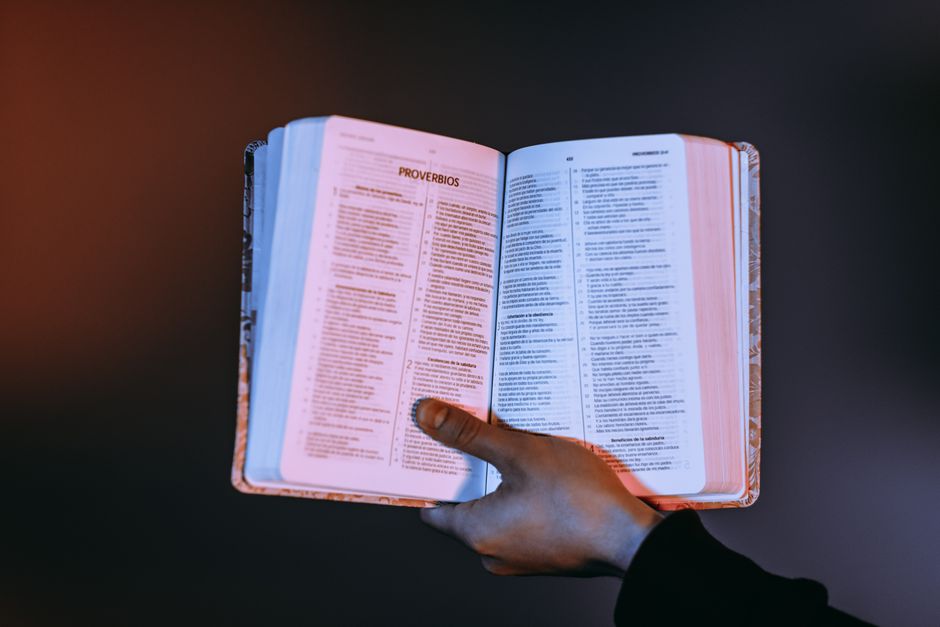
What Does the Bible Say About the word of god?
The Bible identifies the word of God as the infallible, living, and active revelation of His divine will, purpose, and nature to humanity. It serves as the ultimate authority for faith and practice, functioning as a spiritual compass that guides the believer toward holiness, wisdom, and eternal communion with the Creator.
Across both Testaments, the word of God is depicted not merely as written text, but as a dynamic force that accomplishes the purposes for which it is sent (Isaiah 55:11). In the Old Testament, the Hebrew term dabar (H1697) encompasses both the spoken utterance and the event or action that follows, implying that God’s word possesses inherent creative and executive power. You can examine the depth of this term through Blue Letter Bible’s lexicon. This realization shifts our understanding of Scripture from a static book to a living encounter with the Almighty, requiring a posture of submission and active obedience.
In our modern, post-truth cultural landscape, the necessity for a firm anchor in the word of God has never been more critical. As secular philosophies fluctuate, the word of God remains the objective standard by which all human experience must be measured. By engaging with the text through original-language study and prayerful meditation, the believer is protected from spiritual deception and empowered to discern the nuances of a complex world. The word of God is not just information; it is the bread of life, essential for the sustenance of the soul.

Most Powerful Bible Verses About the word of god (KJV)
Hebrews 4:12
For the word of God is quick, and powerful, and sharper than any twoedged sword, piercing even to the dividing asunder of soul and spirit, and of the joints and marrow, and is a discerner of the thoughts and intents of the heart. (KJV) – Hebrews 4:12
The Epistle to the Hebrews was written to Jewish Christians who were tempted to return to the rituals of the Mosaic Law under the pressure of persecution. The author emphasizes the superiority of Christ and the living nature of the gospel. By contrasting the shadow of the law with the substance of the living word, the author warns that no heart remains hidden from the scrutiny of divine truth.
The Greek word for “quick” is zao (G2198), meaning “living” or “alive,” while “powerful” is energes (G1756), from which we derive our word “energetic.” This indicates that the word of God is not a dead letter but an active, energetic force. The term “discerner” is kritikos (G2924), denoting a judge or critic—it implies that the word of God acts as a spiritual diagnostic tool. Detailed linguistic insights can be found via Strong’s Concordance.
In modern application, this verse reminds us that we cannot hide our true motives from God. When we read the Bible, it reads us. Instead of approaching the word of God to confirm our own biases, we must approach it with humility, allowing its “two-edged” capacity to prune away the areas of our lives that do not align with His righteousness.
Psalm 119:105
Thy word is a lamp unto my feet, and a light unto my path. (KJV) – Psalm 119:105
Psalm 119 is an acrostic masterpiece, celebrating the perfection of God’s law. The psalmist writes from a position of profound reliance on God’s instructions amidst a world that is often dark, treacherous, and confusing. This verse captures the essence of the entire Psalm: that the word of God is the only reliable guide for the journey of life.
The Hebrew word for “lamp” is ner (H5216), often referring to a small oil lamp held close to the ground, while “light” is or (H216), signifying a broader, illuminating radiance. Together, they suggest both immediate guidance for the next step and long-term vision for the destination. The imagery is deeply practical: a traveler in the ancient Near East needed a lamp to avoid stumbling on uneven, dangerous terrain at night.
For the modern believer, this signifies that God does not always show us the entirety of the map, but He provides sufficient light for the immediate decision. When you are unsure of your next move—whether in career or relationships—the word of God provides the illumination necessary to keep you from stumbling into sin or error.
Isaiah 55:11
So shall my word be that goeth forth out of my mouth: it shall not return unto me void, but it shall accomplish that which I please, and it shall prosper in the thing whereto I sent it. (KJV) – Isaiah 55:11
Isaiah delivered this prophecy to a people in exile, offering a promise of restoration and divine sovereignty. The context is a call to repentance, assuring the people that God’s purposes are inevitable. Because the word of God is tied to His character, it carries the same weight and certainty as the Creator Himself.
The Hebrew word ruq (H7387), translated here as “void,” means empty or useless. The word “prosper” is tsalach (H6743), which means to rush, push forward, or succeed. There is a sense of divine momentum in this verse—God’s word is like a projectile that cannot be intercepted by human opposition. You can research these terms further at Bible Gateway.
This verse is a powerful antidote to anxiety. When we feel that our efforts to share the gospel or live a godly life are failing, we must remember that the word of God is self-executing. It is not our eloquence that brings about change, but the inherent power of the word. We are called to sow the seed; God guarantees the harvest.
Key Takeaways: Bible Verses About the word of god
| Verse Reference (KJV) | Core Spiritual Message | How to Apply Today |
|---|---|---|
| Hebrews 4:12 | God’s word reveals our hidden motives. | Ask God to use the Bible to reveal your secret sins. |
| Psalm 119:105 | God’s word guides our daily steps. | Read a chapter daily to gain direction for your decisions. |
| Isaiah 55:11 | God’s word is sovereign and effective. | Trust the Bible’s promises even when results are invisible. |
How Can I Apply Bible Verses About the word of god in My Daily Life?
When You Feel Overwhelmed at Work
When the pressures of your career threaten your peace, turn to the word of God as your “lamp.” Start your morning by reciting Philippians 4:6-7. Instead of reacting to emails or tasks with anxiety, pause to pray, “Lord, let Your word be the light for my desk today.” By grounding your work in the truth that you are working ultimately for the Lord (Colossians 3:23), you shift your perspective from human performance to divine purpose.
When a Relationship Hurts
Interpersonal conflict often clouds our judgment. When hurt, look to the word of God to define your response rather than your emotions. Memorize Colossians 3:13 regarding forgiveness. Before addressing a conflict, read the Gospels to observe how Jesus handled betrayal. By letting the word of God govern your speech and actions, you replace the instinct for retaliation with the grace of the Gospel.
During Financial Hardship
Financial stress is a common idol-maker, causing us to fear the future. When money is tight, replace the “what-ifs” with the promises of God. Read Matthew 6:33 daily, reminding yourself that your primary pursuit is the Kingdom of God. Create a “promise journal” where you write down verses about God’s provision. When you feel the sting of scarcity, read these promises aloud to realign your heart with the truth that God is your provider, not your bank account.

A Prayer for the word of god
Guided Scriptural Prayer
Heavenly Father, I come before You with a heart hungry for Your truth. Thank You for the gift of Your word, which is a lamp unto my feet and a light unto my path. I ask that You open my eyes to behold the wondrous things in Your law. Grant me the grace to not only hear Your word but to be a doer of it, allowing its living and powerful truth to cut through the noise of this world and refine my soul according to Your perfect will.
Lord, let Your word dwell in me richly. When I am overwhelmed, remind me of Your promises. When I am lost, use Your word to guide my steps. May my life be a testament to the power of Your truth, which never returns void but always accomplishes Your good purpose. I commit my heart to Your instruction, trusting that as I abide in Your word, I abide in You. In the name of Jesus Christ, Amen.

Frequently Asked Questions About the word of god in the Bible
Does the Bible say that Jesus is the word of God?
Yes, the Bible explicitly identifies Jesus Christ as the Word of God incarnate. In John 1:1, the Apostle John writes, “In the beginning was the Word, and the Word was with God, and the Word was God.” Here, the Greek term Logos (G3056) is used to describe the pre-existent, divine Son of God. This signifies that Jesus is the ultimate expression of God’s nature and the final communication of God’s will to humanity. By calling Him the “Word,” Scripture emphasizes that Jesus is the living, breathing manifestation of everything God has ever spoken. Therefore, our study of the written word (the Bible) is always meant to lead us into a deeper, life-transforming relationship with the Living Word (Jesus Christ).
Is it a sin to ignore the word of God?
Scripture treats the neglect of God’s word as a serious matter of the heart. James 1:22 warns, “But be ye doers of the word, and not hearers only, deceiving your own selves.” To ignore the word of God is to effectively reject the wisdom and moral authority of the Creator. It is not merely a passive oversight; it is an act of spiritual self-sabotage that leaves the believer vulnerable to the deceptions of the world. While God’s grace covers our failures, persistent indifference to the Scriptures indicates a heart that is not fully submitted to the lordship of Christ. We are commanded to meditate on His law day and night, as seen in Joshua 1:8, because that is where our spiritual life is anchored.
How does God speak to us today through His word?
God speaks to us today primarily through the illumination of the Holy Spirit acting upon the written text of the Bible. While many look for subjective feelings or external signs, the objective word of God remains the primary vehicle for divine communication. 2 Timothy 3:16-17 states that all Scripture is “given by inspiration of God” and is profitable for doctrine, reproof, and correction. As we read the Bible with a prayerful and humble spirit, the Holy Spirit brings specific truths to our remembrance, applies them to our current circumstances, and convicts us where change is needed. It is a dialogue; we read His word, and the Spirit uses that word to shape our conscience and align our desires with His.
What is the difference between “the word of God” and “the Bible”?
While the terms are often used interchangeably, “the word of God” is a broader theological concept than “the Bible.” The Bible is the written record of God’s revelation—the canonical collection of 66 books. However, “the word of God” (or Logos) refers to the divine utterance itself, which exists independently of the paper and ink. This includes the creative commands of God at the dawn of time, the prophetic announcements, the living presence of Jesus Christ, and the ongoing proclamation of the Gospel. The Bible is the faithful, authoritative, and inspired container of this word. As 1 Peter 1:25 says, “the word of the Lord endureth for ever,” affirming that while the written text is our primary access point, the word of God is eternal and transcends the physical limitations of the book.