

The Heart of Worship: A Biblical Framework for Reconnecting with the Divine
Worship is not merely an event that occurs within the walls of a sanctuary on a Sunday morning; it is the fundamental orientation of the human soul toward its Creator. Across the breadth of Scripture, worship is presented as an ontological necessity—a response to the recognition of God’s holiness, sovereignty, and grace. In the Old Testament, worship was inextricably linked to covenantal obedience and the sacrificial system, characterized by the awe-filled approach of a finite creature to an infinite, transcendent God. From the tabernacle of Moses to the temple of Solomon, worship was a structured, tangible expression of Israel’s devotion, often mediated through ritual and song.
In the New Testament, the narrative shifts toward a more interior and universal expression of worship. Jesus Christ, through His incarnation and atoning sacrifice, dismantled the geographical and ritualistic barriers that previously defined worship. As He declared to the Samaritan woman at the well, the era of worshiping in specific locations gave way to a worship characterized by “spirit and truth.” For the modern Christian, however, the concept of worship has often been diluted. We frequently mistake emotional stimulation, musical preference, or liturgical routine for true worship. This confusion leads to a spiritual malaise; when our worship becomes centered on our own preferences rather than God’s personhood, we lose the transformative power that true adoration brings. Reclaiming a biblical view of worship requires us to strip away the performance-oriented culture of the modern era and return to the posture of a humble servant, acknowledging that worship is not about how we feel, but about who God is.
Contextual Scripture Analysis
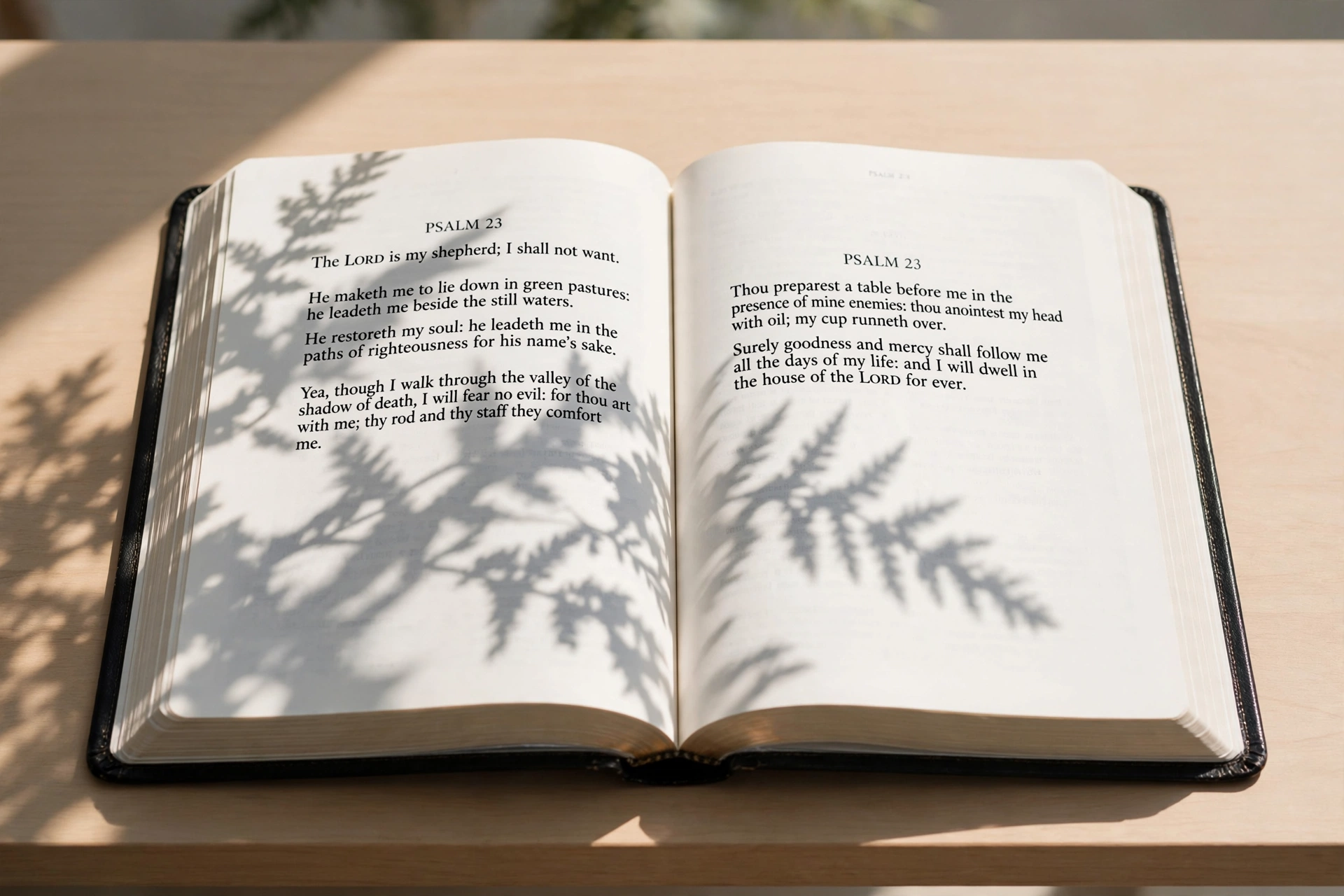
1. Psalm 95:6
O come, let us worship and bow down: let us kneel before the Lord our maker.
Psalm 95 is a classic invitation to corporate worship, likely composed for use during the temple festivals. It serves as a liturgical call, urging the congregation of Israel to move beyond passive observation into active, physical engagement with the Presence of God. The Psalmist is addressing a people prone to “hardening their hearts,” reminding them that the posture of the body is a reflection of the posture of the soul. By calling the people to “come,” the author emphasizes that worship is a deliberate, communal movement toward the throne of grace.
The imagery here is profoundly physical. To “bow down” (Hebrew: shachah) literally means to prostrate oneself, a gesture of absolute surrender and acknowledgment of superior authority. To “kneel” serves as a secondary act of submission. The term “Maker” (Hebrew: asah) reminds us of our creatureliness; we are the work of His hands. The juxtaposition of these verbs—worship, bow, and kneel—creates a crescendo of humility that strips away human pride and places the worshiper in the correct ontological position before the Creator.
The spiritual lesson here is that worship requires a physical and spiritual surrender. In a culture of autonomy and self-sufficiency, the act of kneeling is a radical counter-cultural statement. It teaches us that before we can experience the joy of God’s presence, we must first recognize His sovereignty. True worship begins when we stop standing as equals with God and start kneeling as creations before the King.
2. John 4:23
But the hour cometh, and now is, when the true worshippers shall worship the Father in spirit and in truth: for the Father seeketh such to worship him.
This verse occurs during Jesus’ encounter with the Samaritan woman at Jacob’s well. The historical context is one of deep-seated theological division between Jews and Samaritans regarding where the “right” place to worship was—Jerusalem or Mount Gerizim. Jesus, in His characteristic wisdom, transcends this debate entirely, effectively announcing the end of the ceremonial, location-based worship of the Old Covenant and ushering in a new, internal reality.
The phrase “in spirit and in truth” is the crux of the text. “Spirit” refers to the inner life, guided and empowered by the Holy Spirit, moving beyond external rituals. “Truth” (Greek: aletheia) refers to worship that is grounded in the reality of God as revealed in Christ—it is authentic, sincere, and free from the hypocrisy of mere lip service. The word “seeketh” is startling; it implies that God is actively looking for a specific quality of heart, suggesting that many forms of “worship” do not actually reach Him because they lack this spirit-led sincerity.
The spiritual lesson is that God is unimpressed by the aesthetics of our worship if the heart is absent. We can have the most beautiful cathedrals, the most talented musicians, and the most eloquent prayers, yet fail to worship if we are not operating in the truth of the Gospel. Worship is a matter of the heart’s alignment with God’s reality. It is a call to authenticity, demanding that we present our whole, unmasked selves to the Father.
3. Romans 12:1
I beseech you therefore, brethren, by the mercies of God, that ye present your bodies a living sacrifice, holy, acceptable unto God, which is your reasonable service.
In this passage, the Apostle Paul transitions from the deep theological exposition of Romans 1–11 to the practical application of the Christian life. Having spent eleven chapters detailing the overwhelming “mercies of God” (the doctrine of justification by faith), Paul now argues that worship is the logical response to salvation. Writing to the believers in Rome, he redefines worship entirely: it is no longer about slaughtered animals on an altar, but about the living, breathing life of the believer.
The metaphor of a “living sacrifice” is a deliberate oxymoron. In the ancient world, a sacrifice was dead. By calling us to be “living sacrifices,” Paul demands a total, ongoing surrender of our daily lives. The word “reasonable” (Greek: logikos) denotes that this is the only logical or intelligent response to what God has done for us. It is not an “extra” religious activity; it is the baseline of the Christian existence. To “present” our bodies is an act of stewardship—we are offering the only temple we have, our physical lives, for God’s exclusive use.
The spiritual lesson is that worship is synonymous with a surrendered life. Sunday worship is only valid if it is the culmination of Monday through Saturday living. When we offer our time, our work, our relationships, and our struggles to God as an act of worship, we transform mundane existence into a sacred offering. Worship is, quite simply, the daily practice of dying to self so that Christ may live through us.
Summary Takeaways Table
| Verse (KJV) | Core Spiritual Message | Actionable Lesson |
|---|---|---|
| Psalm 95:6 | Humility before the Creator | Practice physical postures of prayer to align your heart with God’s sovereignty. |
| John 4:23 | Authenticity and Sincerity | Examine your motives; ensure your worship is rooted in truth rather than performance. |
| Romans 12:1 | Worship as a lifestyle | Offer your daily tasks and choices to God as a living, holy sacrifice. |
Practical Devotional Application
The Morning “Altars” Approach
Begin your day by designating a specific, quiet space as your “altar.” Before checking your phone or engaging with the noise of the world, spend five minutes in silence. Use this time not to ask for things, but to acknowledge God’s presence. Read a Psalm aloud and physically kneel. This helps “recalibrate” your heart, ensuring that your first thoughts are directed toward the Creator rather than the stressors of the day.
Integrating Worship into Mundane Tasks
Romans 12:1 reminds us that our work is our worship. You can turn a mundane task—like doing dishes, commuting, or answering emails—into an act of devotion. Dedicate the task to God before you begin: “Lord, I offer this work to You; may it be done with excellence as an act of service.” By consciously shifting your intent, you bridge the gap between “secular” labor and “sacred” worship, making your entire day an offering.
Combatting the “Performance” Trap
If you find yourself struggling with worship during church services—perhaps feeling like you are “going through the motions”—stop trying to “feel” something. Instead, focus on the objective truths of the Gospel. Reflect on the lyrics of a song or the words of a prayer as if they were a theological creed. Acknowledge your lack of emotion to God; tell Him, “Lord, my heart feels dry, but I choose to praise You because of who You are.” This honesty is the essence of worshiping in “spirit and truth.”
Empathic Daily Prayer
Guided Scriptural Prayer
Heavenly Father, I come before You today with a heart that longs to be more fully aligned with Your greatness. Forgive me for the times I have treated worship as a routine or a performance, and for the moments I have allowed the distractions of this world to dim my focus on Your holiness. I acknowledge that You are the Maker of all things, and that my life finds its true purpose only when it is centered entirely upon You. Please soften my heart, remove the barriers of my pride, and teach me how to offer my very existence as a living, holy sacrifice that is pleasing in Your sight.
Grant me the grace to worship You not just in the silence of my room or the sanctuary of the church, but in the chaos of my daily responsibilities. May Your Holy Spirit guide me into a deeper, more authentic truth, so that my prayers, my work, and my thoughts become a constant melody of adoration. Bring peace to my spirit when I feel weary, and remind me always that You are seeking those who will worship You with a sincere and humble heart. I dedicate this day to Your glory. Amen.
Frequently Asked Questions
Is it possible to worship God without music or singing?
Absolutely. While music is a powerful and biblically endorsed vehicle for worship, it is not the definition of worship itself. Throughout Scripture, worship is described through acts of obedience, sacrifice, prayer, and even the “fruit of our lips.” When we obey God’s commands, when we serve the poor, when we repent of our sins, and when we simply contemplate His attributes, we are engaging in the highest forms of worship. Music is a tool to help us focus our attention, but the essence of worship is the orientation of the human will toward the divine will. A life lived in obedience to God is, in itself, a perpetual song of worship.
Why does the Bible emphasize “fear” in relation to worship?
The biblical concept of the “fear of the Lord” is often misunderstood as terror or cowering. In the context of worship, it signifies a profound, awe-filled recognition of God’s absolute holiness and our own finite nature. It is the realization that the God we approach is the same God who spoke the universe into existence. Without this “fear,” our worship tends to become overly casual or anthropocentric—treating God like a “divine buddy” rather than the King of Glory. This holy reverence is actually the gateway to deep intimacy; only when we understand the vast difference between the Creator and the created can we truly appreciate the magnitude of the grace that invites us to draw near.
How can I maintain a spirit of worship when I am going through a season of suffering or spiritual dryness?
This is perhaps the most critical time for worship. In the Bible, some of the most profound acts of worship occurred during intense suffering—think of Job, who, after losing everything, fell to the ground and worshipped, or Paul and Silas, who sang hymns in a prison cell. Worship in a dry season is an act of faith that transcends our feelings. It is an acknowledgment that God’s character remains unchanged even when our circumstances are painful. When you cannot “feel” God, choose to worship Him based on the facts of His Word. By refusing to let your circumstances dictate your devotion, you are offering a “sacrifice of praise,” which is often the most valuable and sincere worship you can offer to God.