
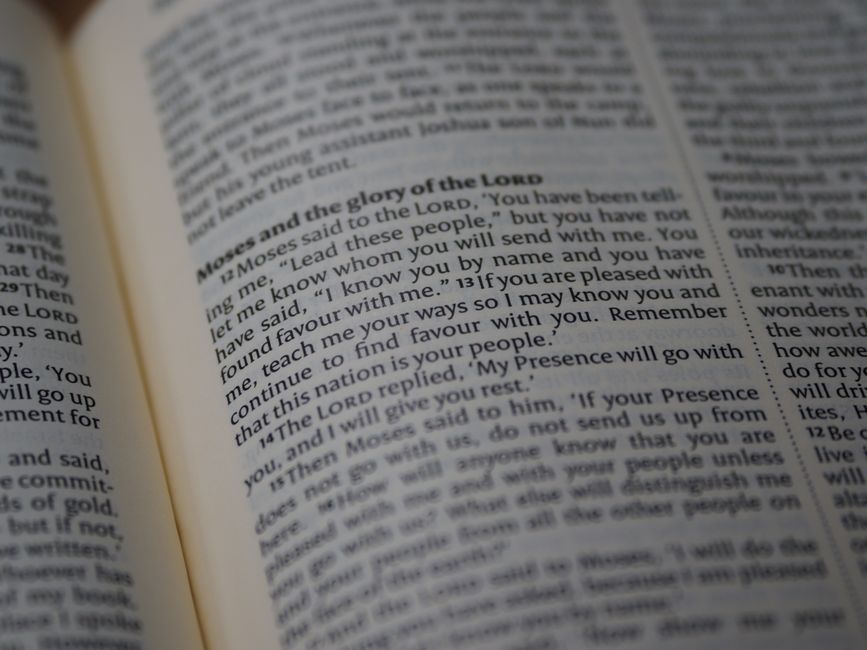
Welcome to this deep-dive study into one of the most profound chapters of the Pentateuch. In Deuteronomy 8, we will explore the delicate interplay between God’s testing, the danger of prosperity, and the necessity of remembering the Lord as the true source of our provision.
Deuteronomy 8 — Historical and Spiritual Context
Deuteronomy 8 is situated within Moses’ second great discourse to the Israelites on the plains of Moab, shortly before their entry into the Promised Land. Moses, acting as the covenant mediator, addresses a new generation who did not experience the Exodus firsthand but are now poised to possess the land promised to their forefathers. The historical setting is one of transition and anticipation, where the temptation to forget the trials of the wilderness in the face of impending agricultural abundance is at its peak. You can read Deuteronomy 8 on Bible Gateway to ground yourself in the text.
The theological significance of this chapter lies in the warning against spiritual amnesia during times of success. Moses argues that God’s purpose in the wilderness—the hunger, the manna, and the trials—was not to destroy the people, but to refine their character and prove their dependency on His Word. For the modern believer, this remains a vital warning: it is often in our seasons of comfort and prosperity that we are most susceptible to the pride of self-sufficiency, forgetting that every breath and every blessing is a direct gift from the hand of the Creator.
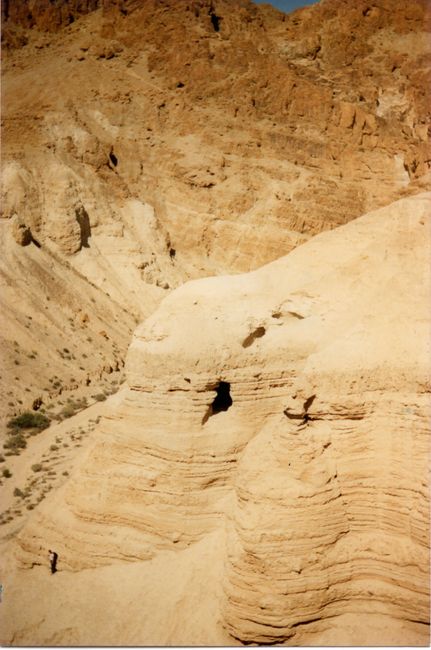
Verse-by-Verse Commentary on Deuteronomy 8
Deuteronomy 8:2 — Meaning and Explanation
“And thou shalt remember all the way which the Lord thy God led thee these forty years in the wilderness, to humble thee, and to prove thee, to know what was in thine heart, whether thou wouldest keep his commandments, or no.”
This verse serves as the thematic anchor for the entire chapter, calling for a “sanctified memory.” The Hebrew word for “remember” is *zachar* (Strong’s H2142), which implies not just a mental recollection, but an active, life-altering reflection that shapes current behavior. Moses reminds the people that their forty-year journey was not a detour or a divine mistake, but a pedagogical necessity.
The “testing” spoken of here is the Hebrew *nacah* (H5254), which implies a refining process, much like a refiner of precious metals purifies gold. God led them through the wilderness to expose the hidden contents of their hearts. By stripping away the comforts of Egypt, God revealed their tendencies toward grumbling and idolatry, ultimately teaching them that their survival depended solely on His sustaining grace, not their own resourcefulness.
Deuteronomy 8:3 — Meaning and Explanation
“And he humbled thee, and suffered thee to hunger, and fed thee with manna, which thou knewest not, neither did thy fathers know; that he might make thee know that man doth not live by bread only, but by every word that proceedeth out of the mouth of the Lord doth man live.”
This verse is famously quoted by our Lord Jesus Christ in Matthew 4:4 during His own wilderness temptation. The “humbling” here, or *anah* (H6031), refers to an affliction or self-denial. God intentionally allowed hunger to occur so that the physical reliance on manna would serve as a sensory lesson for a deeper, spiritual truth: the Word of God is the true sustenance of the human soul.
The “manna” was a miraculous provision that required daily reliance. It could not be hoarded, forcing the Israelites to trust God for the next day. This teaches the believer that spiritual life is not sustained by our material hoardings or our career stability, but by a consistent, daily intake of God’s revelation. As Matthew Henry notes, the Word of God is the “staff of life,” providing the necessary strength to navigate the trials of the soul.

Deuteronomy 8:11 — Meaning and Explanation
“Beware that thou forget not the Lord thy God, in not keeping his commandments, and his judgments, and his statutes, which I command thee this day:”
Here, Moses issues a stern warning against the “forgetfulness of prosperity.” The Hebrew word *shakah* (H7911) means to mislay, forget, or ignore. The danger is that when the Israelites enter the “good land”—a land of wheat, barley, vines, and iron—they will equate their material wealth with their own strength, effectively pushing God to the periphery of their lives.
This verse teaches that spiritual decay often begins with a subtle shift in focus. When our barns are full and our lives are comfortable, we stop “keeping” (or guarding) the commandments. The connection between *forgetting God* and *neglecting His Word* is absolute. If we lose our grip on His statutes, we inevitably lose our awareness of His presence. This is a perpetual struggle for the modern believer who must fight to maintain a posture of gratitude when life feels secure.
Deuteronomy 8:18 — Meaning and Explanation
“But thou shalt remember the Lord thy God: for it is he that giveth thee power to get wealth, that he may establish his covenant which he sware unto thy fathers, as it is this day.”
This verse provides the antidote to the pride of human achievement. The “power” mentioned is the Hebrew *koach* (H3581), which signifies strength, force, or capacity. Moses explicitly declares that the very capacity to labor, to innovate, and to generate wealth is a gift from God. This is a profound theological correction to the “self-made man” myth that permeates modern culture.
The purpose of this divine empowerment is not merely for personal luxury, but to “establish his covenant.” Our success is intended to be a conduit for God’s kingdom purposes. When we recognize that our talents, health, and opportunities are on loan from God, we transition from being owners of our resources to being stewards of His grace. This perspective fosters a spirit of humility and generosity, preventing the heart from becoming hardened by the deceitfulness of riches.

How to Apply Deuteronomy 8 in Your Daily Life
Applying Deuteronomy 8 requires a conscious shift in how you view your daily routines. In your family life, consider establishing a “rhythm of remembrance.” Just as the Israelites were told to look back at the wilderness, you can lead your family in regular times of sharing how God provided for you during past financial hardships or health struggles. This prevents the “amnesia of success” from taking root in your children, teaching them that their security comes from God’s character, not your bank account.
In your professional life, view your career and your ability to earn as a stewardship of God’s *koach* (strength). When you hit a major milestone or receive a bonus, take a moment to pray and explicitly acknowledge that the “power to get wealth” comes from Him. This practice keeps your heart soft and prevents the arrogance that often accompanies professional advancement. When you are tempted to rely on your own intellect or networking skills, pause and read Deuteronomy 8:17-18 to realign your heart with the truth of your dependence on Him.
Finally, in your spiritual walk, treat your daily Bible reading as your “daily manna.” If you view Scripture as mere academic study, you will eventually starve. Instead, approach your time in the Word with the hunger of a traveler in the desert, believing that you cannot survive the day without the spiritual nourishment of God’s promises. This mindset transforms your devotional time from a “religious duty” into a vital lifeline that sustains your faith through every season of life.
A Prayer Based on Deuteronomy 8
Guided Scriptural Prayer
Heavenly Father, I come before You with a heart full of gratitude, remembering Your faithfulness through every season of my life. Please forgive me for the times I have forgotten Your hand in my success and have foolishly claimed the glory for myself. As it says in Deuteronomy 8:3, I acknowledge that I do not live by bread alone, but by every word that proceeds from Your mouth. Help me to remain humble in times of plenty and to trust You fully in times of want. May my life and my resources be used to establish Your covenant and bless those around me. Amen.
Frequently Asked Questions About Deuteronomy 8
What is the main message of Deuteronomy 8?
The main message of Deuteronomy 8 is the necessity of remembering God’s faithfulness and sovereignty during times of prosperity. Moses warns the Israelites that when they enter the Promised Land and experience abundance, they will be tempted to forget that their success is a result of God’s grace rather than their own strength. The chapter emphasizes that the trials of the wilderness were designed by God to humble the people and teach them total dependence on His Word. Ultimately, it serves as a timeless reminder that our material blessings are tools for fulfilling God’s covenantal purposes, not evidence of our own self-sufficiency.
Who wrote Deuteronomy and why?
Deuteronomy is traditionally attributed to Moses, who delivered these discourses to the Israelites on the plains of Moab as they prepared to cross the Jordan River. The book acts as a “second law” (the meaning of the Greek *Deuteronomion*), serving to remind the new generation of the laws given at Sinai and to prepare them for the challenges of life in the land of Canaan. Moses wrote/spoke these words to ensure that the people would not repeat the failures of their parents. He aimed to instill a heart-level obedience to God’s commands, grounded in the memory of God’s past deliverance and the promise of His future presence.
What does verse 18 mean in Deuteronomy 8?
Deuteronomy 8:18 is a critical verse that corrects the human tendency toward pride. It states, “But thou shalt remember the Lord thy God: for it is he that giveth thee power to get wealth.” This verse identifies God as the source of human capacity—the strength, intellect, and circumstances that allow one to be productive. It teaches that wealth is not merely a result of human effort, but a gift from God intended to sustain the covenant. For the believer, this verse is a call to stewardship; it reminds us that because God is the source of our ability, we are accountable to Him for how we use what we have gained.
May the truths of this chapter anchor your soul and keep your heart ever turned toward the One who sustains you in every wilderness and every promised land.