
Welcome, dear friend, to this deep dive into the unfolding drama of the book of Esther. In chapter 8, we witness a profound divine reversal as the shadow of death is lifted from the Jewish people, revealing God’s sovereignty in the corridors of power and the heart of the believer.
Esther 8 — Historical and Spiritual Context
Esther 8 serves as the pivotal turning point in the narrative, occurring in the Persian capital of Shushan during the reign of Ahasuerus (Xerxes I), likely around 473 B.C. Following Haman’s execution, the king transfers the royal signet ring to Mordecai, effectively nullifying the genocidal decree. You can read Esther 8 on Bible Gateway to ground yourself in the text.
The theological significance of Esther 8 centers on the concept of “providential reversal.” Though the name of God is famously absent from the book, His fingerprints are undeniable as the legal framework of the empire is transformed to preserve His covenant people. For the modern believer, this chapter teaches that no decree of man can thwart the ultimate purposes of God, encouraging us to remain faithful even in the “hidden” seasons of our lives.
Verse-by-Verse Commentary on Esther 8
Esther 8:2 — Meaning and Explanation
“And the king took off his ring, which he had taken from Haman, and gave it unto Mordecai. And Esther set Mordecai over the house of Haman.”
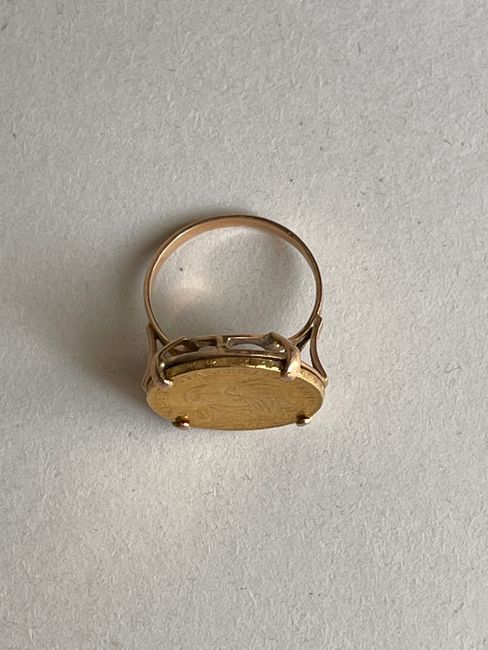
The king’s act of removing his signet ring—a symbol of supreme authority—and placing it on Mordecai’s finger is a monumental transfer of power. In the Hebrew, the word for ring is tabba’ath (Strong’s H2885), signifying a seal used to authorize royal decrees. By transferring this to Mordecai, Ahasuerus effectively empowers the Jewish people to protect themselves.
Historically, this represents the total undoing of Haman’s influence. Spiritually, it mirrors the believer’s position in Christ. Just as Mordecai was elevated from the king’s gate to the inner circle of the palace, we are called from the “gate” of our former lives into a position of authority through the seal of the Holy Spirit. It serves as a reminder that the enemy’s tools of destruction are often repurposed by God for our ultimate deliverance.
Esther 8:8 — Meaning and Explanation
“Write ye also for the Jews, as it liketh you, in the king’s name, and seal it with the king’s ring: for the writing which is written in the king’s name, and sealed with the king’s ring, may no man reverse.”
This verse highlights the irrevocable nature of Persian law, which was famously “unalterable.” The term for “reverse” is shub (Strong’s H7725), meaning to turn back or return. Because the king’s decree could not be undone, a secondary decree was necessary to counteract the first.
The spiritual lesson here is profound: while the law of sin and death (the first decree) seemed permanent, Christ provided a “second decree”—the Gospel—which legally supersedes the condemnation of the law. We are reminded that God’s Word is the ultimate, unalterable authority. When we stand upon His promises, we operate under an authority that no worldly power can successfully challenge or rescind.
Esther 8:15 — Meaning and Explanation
“And Mordecai went out from the presence of the king in royal apparel of blue and white, and with a great crown of gold, and with a garment of fine linen and purple: and the city of Shushan rejoiced and was glad.”
Mordecai’s transition from sackcloth to royal apparel is a vivid picture of restoration. The Hebrew term for “royal apparel” is lebuwsh malkuwth, denoting robes of state. The colors mentioned—blue (tekheleth) and white (buts)—were associated with royalty and priestly purity in ancient Near Eastern culture.
This transformation illustrates the biblical principle of “beauty for ashes” found in Isaiah 61:3. Mordecai, who had sat in the gate in mourning, is now clothed in the splendor of the king’s favor. For the believer, this is a typology of our justification; though we were once “clothed in filthy rags,” we are now adorned in the righteousness of Christ, our true King, leading to the joy and gladness of the soul.
Esther 8:17 — Meaning and Explanation
“And in every province, and in every city, whithersoever the king’s commandment and his decree came, the Jews had joy and gladness, a feast and a good day. And many of the people of the land became Jews; for the fear of the Jews fell upon them.”
The conclusion of the chapter notes that many of the Persians “became Jews” (or proselytized) due to the “fear” of the Lord’s intervention. The word for fear is pachad (Strong’s H6343), which implies a deep, reverential awe.
This is the ultimate evangelistic outcome: when God moves in the lives of His people in a way that is undeniable, the world takes notice. The “good day” (yom towb) mentioned is a precursor to the Feast of Purim. It reminds us that our personal victories and deliverances are not just for our own comfort, but serve as a witness to those around us, drawing them to the God who fights for His own.

How to Apply Esther 8 in Your Daily Life
Applying Esther 8 requires us to look for the “seal of God” in our own circumstances. In the workplace, when you face an environment that feels hostile to your faith, remember that like Mordecai, you serve a King whose authority is higher than any corporate policy or supervisor. Instead of reacting with fear, operate with the quiet confidence of one who knows the ultimate decree of God—that you are His, and your life is hidden with Christ.
Within your family, use this chapter as a reminder to stand in the gap for one another. Mordecai did not seek his own promotion; he sought the safety of his people. When your family faces financial or spiritual crises, gather together to pray and “write a new decree” of faith over your home, declaring God’s promises rather than dwelling on the threats of the world. Trust that even when you cannot see His hand, He is working behind the scenes to turn your mourning into joy.
A Prayer Based on Esther 8
Guided Scriptural Prayer
Heavenly Father, I thank You that You are the King of kings whose purposes cannot be thwarted by the schemes of man. Just as You turned the tide for Your people in Esther 8:15, I ask that You would clothe me in Your righteousness and give me the courage to stand in the gate for those who are oppressed. Help me to trust Your timing, knowing that even when Your name seems hidden, Your hand is moving to bring about justice and joy. May my life be a witness of Your power, drawing others to fear and love You. In the name of Jesus, I pray, Amen.
Frequently Asked Questions About Esther 8
What is the main message of Esther 8?
The main message of Esther 8 is the sovereignty of God in orchestrating deliverance for His people. It demonstrates that while the enemies of God may plot destruction, the Lord works through human agents and legal systems to reverse those plans. The chapter emphasizes that God’s covenantal promises are secure, and He is faithful to preserve His people even in the face of what appears to be an unchangeable death sentence.
What does the king’s ring signify in Esther 8:2?
In Esther 8:2, the king’s signet ring symbolizes the transfer of royal authority and the power to issue binding legal decrees. In the ancient Persian empire, the ring was used to stamp wax on official documents, making them “unalterable” by law. By giving this ring to Mordecai, King Ahasuerus effectively granted him the authority to act as the king’s representative, allowing him to legally counteract Haman’s genocidal decree and protect the Jewish people.
Why did many people become Jews in Esther 8:17?
In Esther 8:17, many people of the land “became Jews” because they witnessed the undeniable hand of God in the deliverance of the Jewish people. The “fear” (pachad) that fell upon them was a reaction to the miraculous reversal of the king’s decree. Recognizing that the God of the Jews was clearly protecting and favoring them, these people sought to align themselves with the God who had demonstrated such supreme power over the Persian empire.
May the peace of God, which surpasses all understanding, guard your heart and mind as you walk in the confidence of His sovereign grace.