
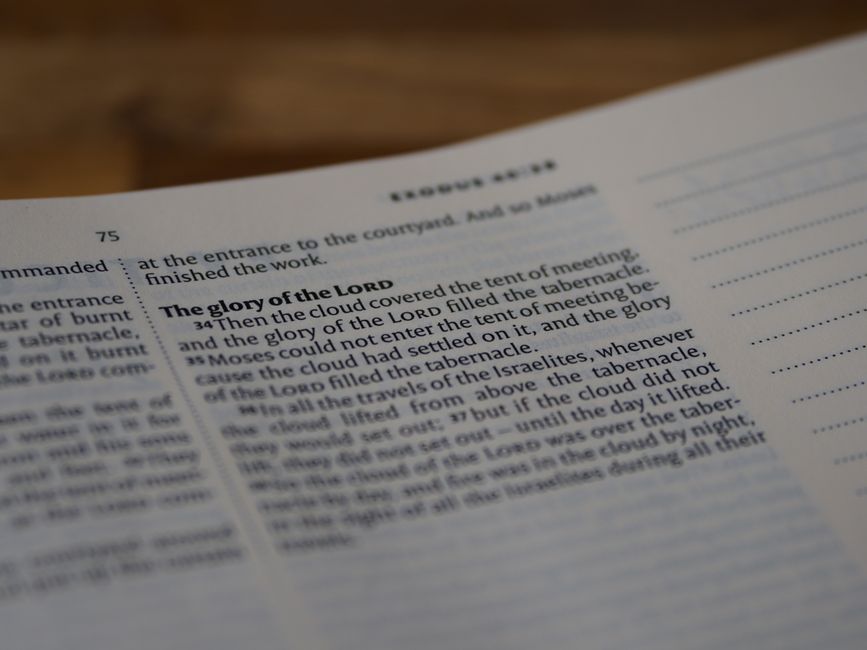
Welcome to this deep dive into one of the most triumphant passages in all of Scripture. As we explore Exodus 15, we will uncover the profound beauty of God’s deliverance, the necessity of praise in the life of the believer, and the gracious way the Lord provides for His people even in the wilderness of our own lives.
Exodus 15 — Historical and Spiritual Context
Exodus 15 serves as the immediate, ecstatic response to the miraculous parting of the Red Sea, recorded by Moses as a song of victory. Traditionally attributed to Moses as the author under the inspiration of the Holy Spirit, this chapter captures the transition from Israel’s bondage in Egypt to their status as a liberated people, standing on the shores of the wilderness in approximately 1446 B.C.
The overarching theological theme of this chapter is the sovereignty and faithfulness of Yahweh as the “Man of War” who delivers His people and the “Healer” who sustains them. For the modern believer, Exodus 15 matters because it provides a blueprint for worship following deliverance; it reminds us that while our salvation is a finished work of grace, our journey through the “wilderness” of life requires daily reliance on God’s provision. You can read Exodus 15 on Bible Gateway to ground yourself in the text.

Verse-by-Verse Commentary on Exodus 15
Exodus 15:2 — Meaning and Explanation
“The LORD is my strength and song, and he is become my salvation: he is my God, and I will prepare him an habitation; my father’s God, and I will exalt him.”
This verse marks the pivot from observing a miracle to internalizing a relationship. The Hebrew word for “strength” is ‘oz (Strong’s H5797), which implies a fortified, impenetrable power. Moses declares that God is not merely the author of the miracle, but the very substance of his daily endurance.
When Moses says, “He is become my salvation,” he uses the Hebrew yeshu’ah, the root word for Jesus. This is a prophetic whisper of the ultimate deliverance found in Christ. To “prepare him an habitation” refers to the desire to make one’s life a sanctuary for the presence of God. It is a commitment to move from merely acknowledging God’s power to actively housing His glory through a life of holiness and exaltation.
Exodus 15:11 — Meaning and Explanation
“Who is like unto thee, O LORD, among the gods? who is like thee, glorious in holiness, fearful in praises, doing wonders?”
In this rhetorical masterpiece, Moses contrasts Yahweh with the impotent idols of Egypt. The Hebrew term for “holiness” is qodesh (Strong’s H6944), signifying a state of being “set apart” or “other.” God’s holiness is not just a moral attribute; it is the very essence of His unique, uncreated nature.
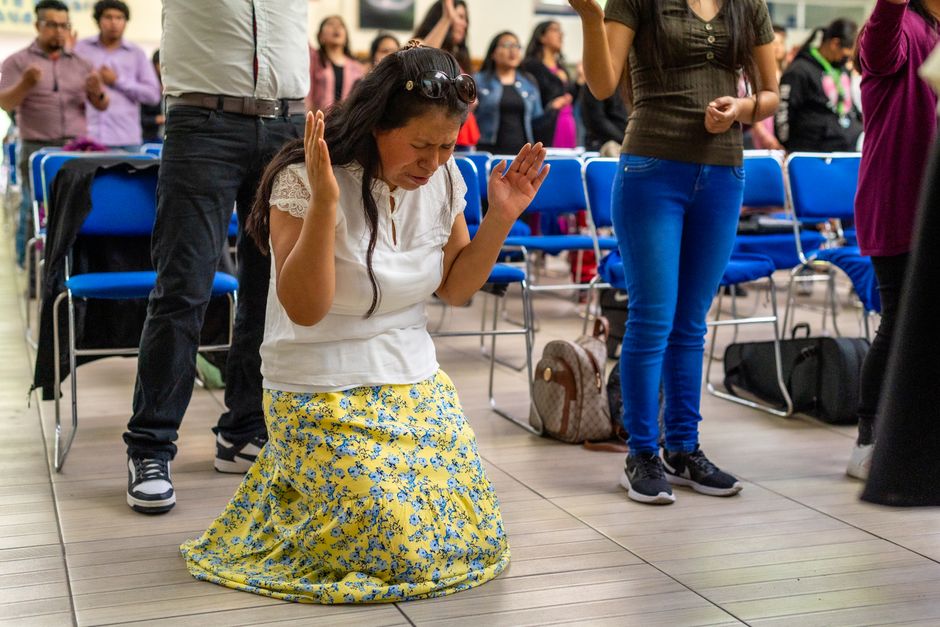
To be “fearful in praises” means that God’s works are so awesome and transcendent that even our worship should be marked by a holy reverence. We do not approach Him with casual familiarity, but with the awe of a creature standing before the Creator who parts seas and shatters the power of death. This verse challenges us to re-evaluate our worship: is it marked by the recognition of His utter uniqueness?
Exodus 15:22 — Meaning and Explanation
“So Moses brought Israel from the Red Sea, and they went out into the wilderness of Shur; and they went three days in the wilderness, and found no water.”
The transition from the triumph of the Red Sea to the “wilderness of Shur” is one of the most jarring shifts in Scripture. After the high of victory, the reality of the desert sets in. The Hebrew word for wilderness, midbar (Strong’s H4057), denotes a place of leading or driving.
Spiritually, this teaches us that God often leads His children from the victory of salvation directly into a testing ground. The “three days” without water represents the exhaustion of human resources. It is only when our natural strength is depleted that we are positioned to receive the supernatural provision of God. This is not a detour; it is the curriculum of faith.

Exodus 15:26 — Meaning and Explanation
“And said, If thou wilt diligently hearken to the voice of the LORD thy God, and wilt do that which is right in his sight, and wilt give ear to his commandments, and keep all his statutes, I will put none of these diseases upon thee, which I have brought upon the Egyptians: for I am the LORD that healeth thee.”
This verse introduces the name Jehovah-Rophi, or “The Lord who heals.” The Hebrew word for heal is rapha (Strong’s H7495), which carries the meaning of mending, curing, or restoring to wholeness.
The condition of “diligently hearkening” is key. The Hebrew construction is an emphatic repetition, literally “hearing, thou shalt hear.” God promises that as we align our lives with His Word, He becomes our physician, not just for physical ailments, but for the brokenness of the soul caused by living in a fallen world. He promises that the plagues of Egypt—the world’s systems of sin and death—do not have to define the life of the believer.
How to Apply Exodus 15 in Your Daily Life
Applying Exodus 15 requires moving from the “mountain top” of emotional worship to the “valley” of daily obedience. When you have a breakthrough in your life—perhaps a job offer, a reconciled relationship, or a health report—do not let the praise die at the church door. Write down your “Song of Moses.” Keep a journal of God’s specific interventions so that when the “wilderness of Shur” arrives (the inevitable dry season), you have a tangible record of His faithfulness to reference.
In your professional life, when you face a “three-day” drought of resources or support, resist the temptation to murmur or complain. Instead, practice the discipline of “diligently hearkening.” Ask yourself: “What is the Lord teaching me in this waiting room?” Use the silence of the wilderness to listen for His voice rather than filling the void with anxiety. By choosing to trust His character over your circumstances, you allow Him to be your Jehovah-Rophi, healing your perspective and restoring your peace.
A Prayer Based on Exodus 15
Guided Scriptural Prayer
Heavenly Father, You are my strength and my song, and I praise You for the great salvation You have wrought in my life through Jesus Christ. As I walk through the wilderness of my daily challenges, help me to fix my eyes upon Your holiness rather than the lack of water in my circumstances. I choose today to diligently hearken to Your voice, trusting that You are the Lord who heals and restores my soul. May my life become a habitable place for Your presence, and may my worship always reflect the awe of Your wondrous works. In the matchless name of Jesus, Amen.
Frequently Asked Questions About Exodus 15
What is the main message of Exodus 15?
The main message of Exodus 15 is that God’s deliverance of His people from slavery is a catalyst for worship and a call to total dependence on Him. The chapter illustrates the “rhythm of faith”: the triumph of the Red Sea (salvation) is immediately followed by the testing of the wilderness (sanctification). It highlights that God is both a warrior against our enemies and a healer for our internal and external needs. By contrasting the vanity of worldly powers with the holiness of Yahweh, the chapter establishes that God alone is worthy of our complete devotion and trust as we journey toward the Promised Land.
What does “I am the LORD that healeth thee” mean in Exodus 15:26?
In Exodus 15:26, “I am the LORD that healeth thee” refers to the Hebrew name Jehovah-Rophi. This is a covenant promise where God reveals Himself as the Divine Physician. Beyond physical healing, the context suggests a holistic restoration of the people. God promises that if they align their lives with His commandments, He will protect them from the “diseases of Egypt”—the spiritual and moral corruption of the world. It serves as a reminder that our health, peace, and wholeness are ultimately found in our obedience to God and our relationship with Him as the Sustainer of our lives.
Why did the Israelites go to the wilderness after the Red Sea?
The journey into the wilderness of Shur (Exodus 15:22) was not a mistake or an accident; it was a divine appointment. In the biblical narrative, the wilderness serves as a place of testing and preparation. Having been brought out of Egypt (representing the world), the Israelites needed to be brought out of their “Egyptian mindset.” The wilderness provided the necessary environment for God to reveal His provision (manna and water) and His law (the Ten Commandments). It was the classroom where they learned that their survival depended entirely on the Word of God, not on their own strength or the resources of the world they left behind.
May the truths of Exodus 15 sustain you, guide you, and fill your heart with a song of praise that echoes through every season of your life.