
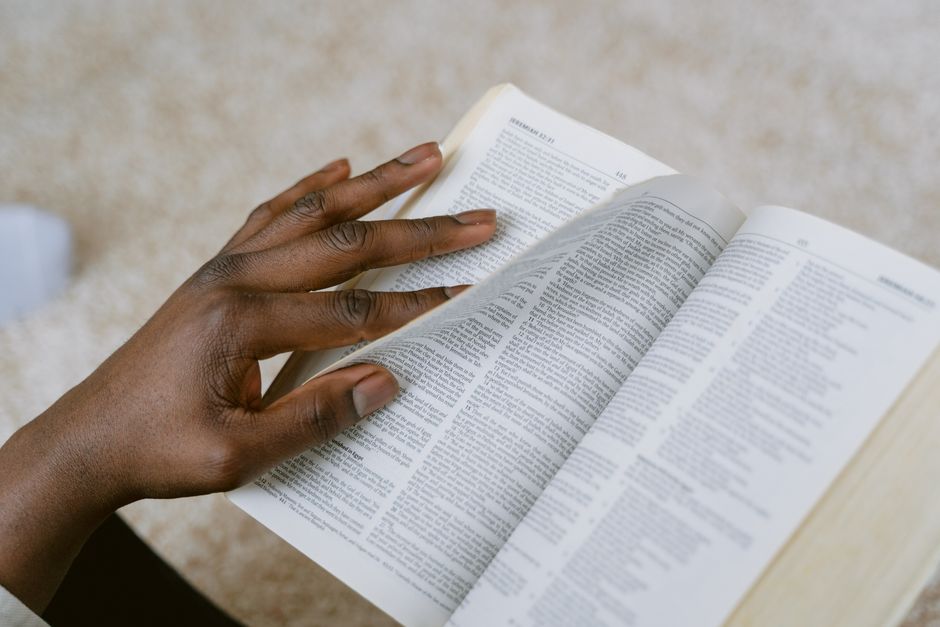
Welcome to this deep dive into the prophetic scroll of Habakkuk. In this study, we will explore the profound dialogue between a wrestling prophet and a sovereign God, uncovering timeless truths about faith, divine judgment, and the ultimate triumph of God’s righteousness.
Habakkuk 2 — Historical and Spiritual Context
Habakkuk 2 emerges from a time of national crisis in Judah, likely during the late 7th century BC as the Neo-Babylonian Empire rose to power. The prophet Habakkuk, burdened by the moral decay of his own people and the impending threat of the “bitter and hasty” Chaldeans, stands upon his watchtower to seek God’s perspective on the injustice surrounding him. You can read Habakkuk 2 on Bible Gateway to ground yourself in the text.
The overarching theme of Habakkuk 2 is the inevitable collapse of human pride and the vindication of God’s holiness through the “just man” who lives by faith. This chapter serves as a vital anchor for believers today, reminding us that while wickedness may appear to triumph temporarily, God is actively working behind the scenes of history. It teaches us to wait patiently for His timing, trusting that His silence is not absence, and that His judgment is always tempered by His eternal purpose.

Verse-by-Verse Commentary on Habakkuk 2
Habakkuk 2:1 — Meaning and Explanation
“I will stand upon my watch, and set me upon the tower, and will watch to see what he will say unto me, and what I shall answer when I am reproved.”
Habakkuk 2:1 captures the prophet’s posture of intentional, expectant waiting after his initial complaint to God. Having laid his frustrations before the Lord, he does not walk away in anger or despair; instead, he positions himself in a place of spiritual vigilance—the “watch” or mishmereth (Strong’s H4931)—to receive the divine response. He demonstrates the discipline of silence, knowing that the answer to life’s hardest questions often comes only when we cease our own frantic activity.
The phrase “what I shall answer when I am reproved” suggests Habakkuk’s humility. Even though he is a prophet of God, he recognizes that his own perspective might be clouded or incorrect. He is prepared to be corrected by the Almighty. For the believer, this is a masterclass in prayer: we must not only talk to God but also position ourselves to listen, remaining open to the reality that God’s ways are higher than our own.

Habakkuk 2:3 — Meaning and Explanation
“For the vision is yet for an appointed time, but at the end it shall speak, and not lie: though it tarry, wait for it; because it will surely come, it will not tarry.”
Habakkuk 2:3 provides the divine assurance that God’s plans operate on a schedule that transcends human impatience. The Hebrew word for “appointed time,” mo’ed (Strong’s H4150), indicates a fixed, set meeting time, much like the feasts of Israel. God is telling the prophet that the resolution of history is not random; it is a calculated, divine appointment that cannot be moved.
The spiritual lesson here is that delay is not denial. When we feel that God is “tarrying” in our own lives—whether regarding a healing, a financial breakthrough, or a change in circumstances—we must lean into the command to “wait for it.” The vision “shall speak”—it has a voice and a purpose that will be made manifest. Our faith is not tested in the moment of promise, but in the stretch of time between the promise and the fulfillment.
Habakkuk 2:4 — Meaning and Explanation
“Behold, his soul which is lifted up is not upright in him: but the just shall live by his faith.”
Habakkuk 2:4 is arguably the most significant verse in the book, serving as the theological hinge upon which the New Testament’s doctrine of justification by faith swings. The contrast is sharp: the one whose soul is “lifted up” (‘aphal, Strong’s H6075—meaning to swell with pride or presumption) is opposed to the one who is “just” (tsaddiyq). The proud rely on their own strength, but the righteous rely on the faithfulness of God.
To “live by his faith” (’emunah, Strong’s H530) means more than just intellectual assent; it denotes steadfastness, stability, and fidelity. It is a life rooted in trust. Paul quotes this verse in Romans 1:17 and Galatians 3:11 to establish that a right standing with God is achieved not through works or human pride, but through the humble reception of God’s grace. This is the heartbeat of the Gospel: our life is sustained by our total dependence on Christ.
Habakkuk 2:20 — Meaning and Explanation
“But the Lord is in his holy temple: let all the earth keep silence before him.”
Habakkuk 2:20 brings the intense dialogue to a close by shifting the focus from the sins of men and the judgment of nations to the majesty of the Creator. After outlining the “woes” that will fall upon the wicked, the prophet invites the world to be still. The “holy temple” (heykal, Strong’s H1964) signifies the place where God’s presence resides and His authority is absolute.
The command to “keep silence” (hac, Strong’s H2013) is an imperative for total reverence. In a world of noise, confusion, and anxiety, we are reminded that God is still on His throne. When we realize the magnitude of His holiness, our complaints fade, our fears diminish, and we find rest. The ultimate answer to our questions about evil is not a philosophical lecture, but the presence of the Living God Himself.

How to Apply Habakkuk 2 in Your Daily Life
Applying Habakkuk 2 in the modern age requires moving from a posture of anxiety to a posture of “watchful waiting.” In your family life, when you face trials that seem unfair—such as a child’s waywardness or a sudden job loss—avoid the trap of bitterness. Instead, follow Habakkuk’s example: “stand upon your watch.” Dedicate time each morning to silence, asking God to show you His perspective rather than merely venting your frustrations.
In the workplace, resist the temptation to “lift up your soul” through office politics, pride, or dishonest gain. Remember that while the world may reward those who cut corners, the “just shall live by his faith.” Choose integrity even when it feels like you are falling behind. Trust that God, who is in His holy temple, is the ultimate judge of your labor and will reward your faithfulness in His “appointed time.” This shift in focus from the outcome to the Author of your story will bring a profound, unshakable peace to your daily walk. For further study on these principles, visit Blue Letter Bible.
A Prayer Based on Habakkuk 2
Guided Scriptural Prayer
Heavenly Father, I come before You today, acknowledging that You are in Your holy temple and that all the earth should be silent before You. When I feel overwhelmed by the injustice and confusion of the world, help me to stand upon my watch and wait for Your appointed time. I repent of the pride that leads me to seek my own solutions and instead choose to live by faith in Your sovereign plan. Please strengthen my heart to trust You even when the vision tarries, knowing that You are working all things for Your glory. May my life be a testimony of the just man who walks by faith and not by sight. Amen.
Frequently Asked Questions About Habakkuk 2
What is the main message of Habakkuk 2?
The main message of Habakkuk 2 is the triumph of God’s righteousness over human arrogance. The chapter contrasts the pride of the wicked—who build their lives on violence, greed, and idolatry—with the life of the righteous, who live by faith. The prophet is taught that God is not indifferent to evil; He has an “appointed time” (v. 3) for justice to be served. The chapter ultimately calls the reader to humble submission before God, recognizing that because the Lord is in His holy temple (v. 20), we can trust His timing and His sovereign control over the rise and fall of nations.
What does “the just shall live by his faith” mean in Habakkuk 2:4?
In Habakkuk 2:4, the phrase “the just shall live by his faith” refers to the life of a person who is in a right relationship with God, characterized by steadfast trust and fidelity to Him. Unlike those who are “lifted up” in pride and rely on their own power, the righteous person finds their strength and life-source in God’s promises. This verse is foundational to the Christian faith, as it serves as the basis for the New Testament doctrine of justification by faith, emphasizing that salvation and life are gifts received through trusting in God’s character rather than through human works.
Why does Habakkuk 2 focus so heavily on the “woes” of the wicked?
Habakkuk 2 records five “woes” against the Chaldeans (Babylonians) to demonstrate that God’s judgment is precise and inevitable. These woes address specific sins: greed, extortion, violence, manipulation, and idolatry. By detailing these, the prophet confirms that God sees and hears the cries of the oppressed. The focus on these woes serves to reassure the believer that wickedness is not a permanent state; it is a temporary rebellion that will be dismantled by the holiness of God. It encourages the reader that justice is not a matter of “if,” but of “when,” according to God’s perfect, divine schedule.
May the peace of God, which passes all understanding, guard your heart and mind as you walk by faith in the truth of His Word.