
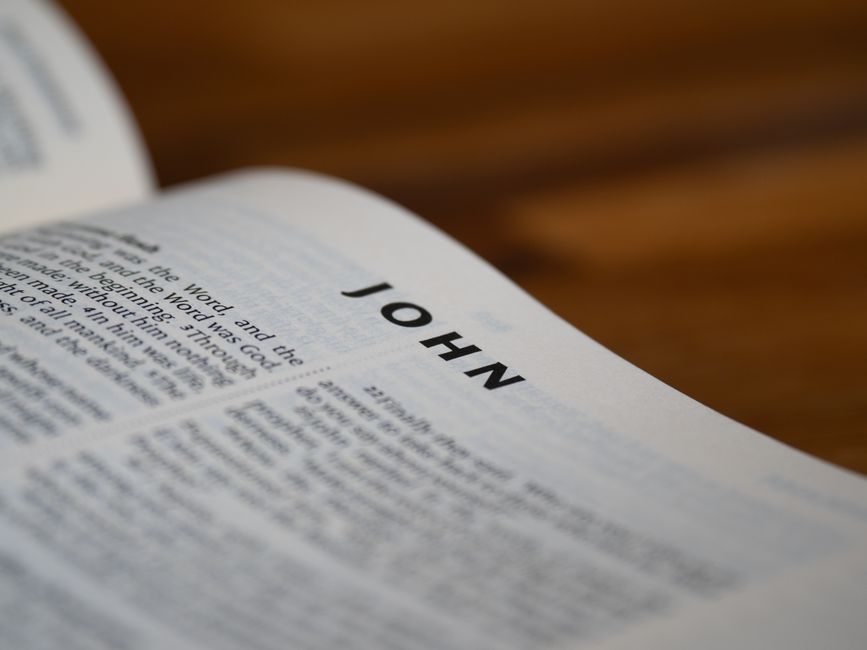
Welcome to this deep dive into the second chapter of the Gospel of John, a transformative narrative that bridges the gap between the mundane realities of life and the miraculous power of the Incarnate Word. Together, we will explore the significance of the wedding at Cana and the cleansing of the Temple, discovering how Christ manifests His glory in our seasons of deficiency and our places of worship.
John 2 — Historical and Spiritual Context
John 2 was written by the Apostle John, likely toward the end of the first century, to provide a theological witness to the divinity of Jesus Christ. Addressing a diverse audience of believers, John emphasizes that the signs performed by Jesus were intended to demonstrate His identity as the Son of God, inviting the reader to believe and find life in His name.
The overarching theological theme of John 2 is the transition from the old covenant of ritual to the new covenant of grace found in the person of Jesus. It matters deeply to the modern believer because it reveals that Jesus is interested in the intimate details of our joy and the purity of our worship. You can read John 2 on Bible Gateway to ground yourself in the text before we begin our verse-by-verse analysis.

Verse-by-Verse Commentary on John 2
John 2:5 — Meaning and Explanation
“His mother saith unto the servants, Whatsoever he saith unto you, do it.”
This verse captures the essence of true discipleship: absolute obedience to the command of Christ. Mary, having observed the lack of wine, places her faith in Jesus’ ability to intervene. The Greek word for “whatsoever” is *hosa* (Strong’s G3745), implying an unconditional surrender to His authority, regardless of how illogical the instruction might seem to human reason.
The spiritual lesson here is that our miracles often depend on our willingness to move when we do not yet see the result. The servants were asked to fill jars with water—a task that did not produce wine until they obeyed. When we face “empty” situations in our lives, we must stop questioning the method and start obeying the Master. Faith is not merely a feeling; it is the action that follows the Word.

John 2:11 — Meaning and Explanation
“This beginning of miracles did Jesus in Cana of Galilee, and manifested forth his glory; and his disciples believed on him.”
John 2:11 marks the first public sign performed by Jesus, which he calls a “miracle” or, more accurately, a “sign” (*semeion*, G4592). Unlike a simple wonder, a sign points to a deeper reality. By turning water into wine, Jesus demonstrated His control over nature and His desire to transform the “ordinary” into the “extraordinary” for His people.
The Greek term *doxa* (G1391), translated as “glory,” signifies the manifestation of God’s character and presence. In this miracle, Jesus revealed His glory not through destruction or judgment, but through the provision of joy. The disciples’ faith was not a blind leap; it was a response to the revelation of who He was. For the believer today, this verse serves as a reminder that Jesus is still in the business of manifesting His glory in the humble, everyday circumstances of our lives.
John 2:16 — Meaning and Explanation
“And said unto them that sold doves, Take these things hence; make not my Father’s house an house of merchandise.”
In this scene, Jesus cleanses the Temple, revealing His righteous indignation toward those who turned the house of prayer into a marketplace. The Greek word for “merchandise” is *emporion* (G1713), which suggests a place of trading or traffic. This act was a fulfillment of the zeal for God’s house described in Psalm 69:9, signaling that the Temple was meant to be a place of communion, not commercialism.
Theologically, this passage warns us against allowing the “business” of religion to displace the “presence” of God. We often treat our spiritual lives like a transaction—giving our time or effort expecting a return—rather than a relationship. Jesus’ actions remind us that the temple of our hearts must be kept pure, cleared of the distractions and idols that hinder our intimate fellowship with the Father.
John 2:21 — Meaning and Explanation
“But he spake of the temple of his body.”
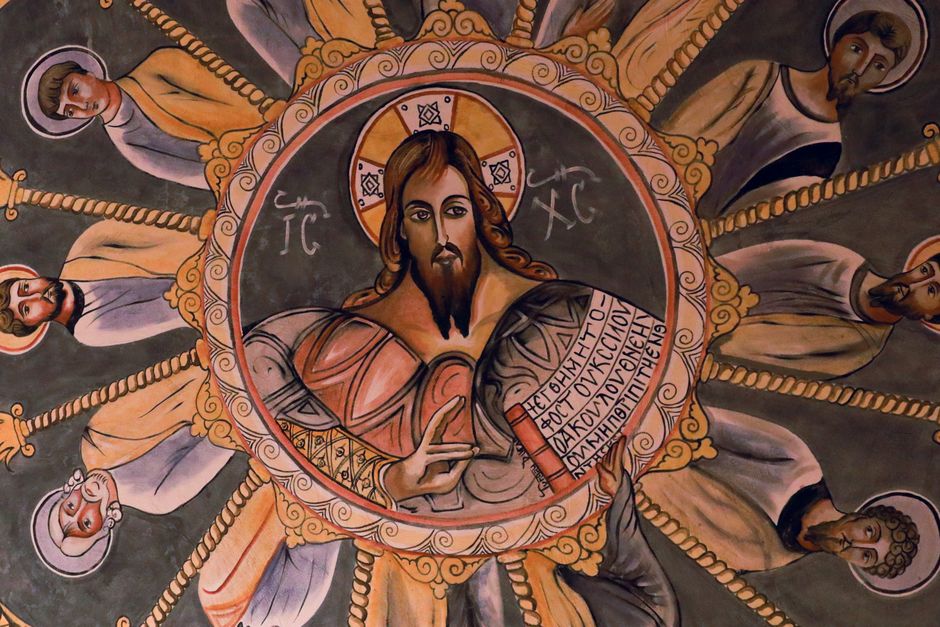
This is one of the most profound statements in the Gospel of John, as Jesus shifts the focus from the physical structure in Jerusalem to His own person. The word for “temple” here is *naos* (G3485), referring to the inner sanctuary where God’s presence dwelt. By identifying His body as the *naos*, Jesus claims to be the true location of God’s dwelling on earth.
This shift is monumental for the believer. Because Jesus is the true Temple, we no longer need a physical building or animal sacrifices to approach God; we approach Him through the finished work of Christ. Furthermore, as 1 Corinthians 6:19 tells us, our own bodies become temples of the Holy Spirit because of our union with Him. We are invited to live in the reality that the presence of the Creator is not locked away in a stone building, but is alive within us.
How to Apply John 2 in Your Daily Life
Applying the lessons of John 2 requires a shift in how we view our daily struggles and our worship. When you face a “wine-less” moment at work—perhaps a project that has stalled or a conflict that seems insurmountable—remind yourself that Jesus is present. Instead of relying on your own strength to refill the jars, ask Him for direction. Obey the promptings of the Holy Spirit, even when they seem unconventional or small, and watch how He transforms your lack into abundance.
In your family life, strive to keep your home as a sanctuary. Just as Jesus cleared the Temple, be intentional about clearing your home of the “merchandise” of the world—the constant noise, the consumerist mentality, and the distractions that prevent meaningful connection. Dedicate time each day to be still in the presence of God, acknowledging that your heart is the *naos* where the Spirit of the Living God resides.
A Prayer Based on John 2
Guided Scriptural Prayer
Heavenly Father, I thank You that You are the God who transforms the ordinary into the miraculous. Just as You provided wine at the wedding in Cana, I ask that You fill the empty places in my life with Your presence and grace. Help me to be a faithful servant, listening for Your voice and obeying Your commands without hesitation. Purify my heart, the temple of Your Holy Spirit, so that my life may be a true house of prayer. I place my trust in You, the One who reveals Your glory in my weakness. Amen.
Frequently Asked Questions About John 2
What is the main message of John 2?
The main message of John 2 is the revelation of Jesus as the Son of God who brings a new, superior order. By turning water into wine, Jesus shows His power to transform and provide joy, replacing the purification rituals of the Jews with the fullness of grace. By cleansing the Temple, He establishes His authority over worship and predicts His own death and resurrection, positioning Himself as the ultimate meeting place between God and man.
Why did Jesus turn water into wine in John 2?
Jesus performed this miracle to “manifest forth his glory” (John 2:11) and to confirm the faith of His disciples. Beyond the physical act, it was a symbolic gesture indicating that the old religious structures—represented by the six stone waterpots used for Jewish purification—were being superseded by the new, abundant life found in Christ. It served as a sign that Jesus is the provider of true joy and the fulfiller of all spiritual longing.
What does “make not my Father’s house an house of merchandise” mean in John 2?
This command in John 2:16 is a rebuke against those who prioritized profit over piety. The money changers and dove sellers were exploiting the worshipers, turning a place intended for communion with God into a site of commercial gain. For the modern reader, it serves as a warning against letting secular values, greed, or “busy-ness” corrupt the sanctity of our worship and our relationship with the Lord. It calls us to return to a posture of holy reverence and genuine devotion.
May the peace of the Lord, who turns our water into wine and cleanses our hearts for His service, be with you as you walk in the light of His Word.