
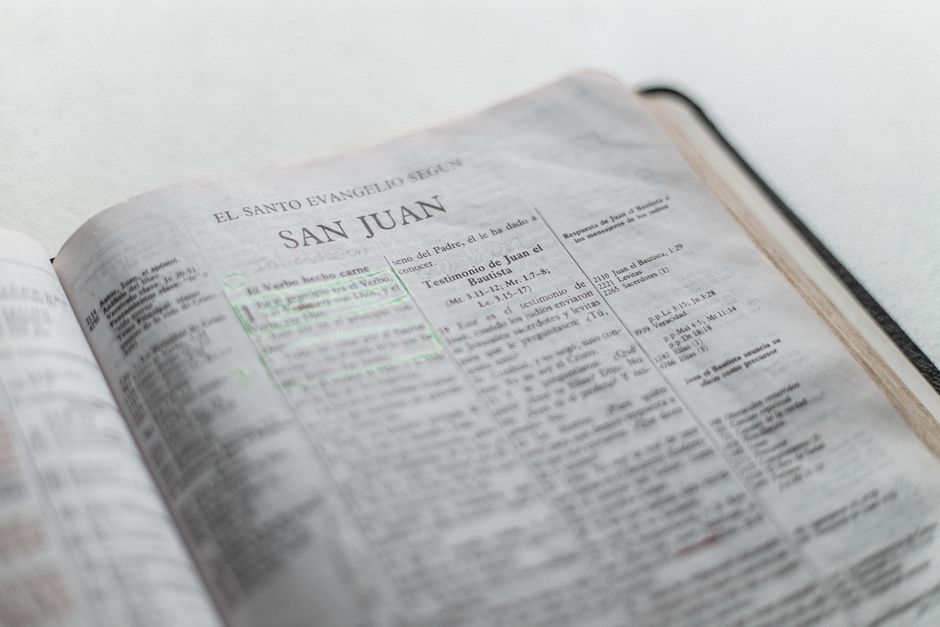
Welcome to this in-depth exploration of John chapter 9, a profound narrative that transitions from physical blindness to spiritual enlightenment. Together, we will unpack the miracle of the man born blind, examine the religious skepticism of the Pharisees, and discover how this transformative encounter reveals Jesus as the Light of the World.
John 9 — Historical and Spiritual Context
John 9 provides a window into the tensions of first-century Jerusalem, written by the Apostle John around 90–95 AD to strengthen the faith of early Christians facing persecution. The setting follows the Feast of Tabernacles, where Jesus’ claim to be the “Light of the World” is put to the test through a miraculous act of restoration for a man born in darkness. You can read John 9 on Bible Gateway to ground yourself in the text before we begin.
The overarching theological theme of John 9 is the dichotomy between those who claim to see but are spiritually blind, and the one who was physically blind but gained true sight through faith in Christ. This chapter serves as a timeless mirror for the believer today, challenging us to examine whether we are relying on our own intellectual pride or submitting to the revelatory light of Jesus, even when that submission invites social or religious ostracization.

Verse-by-Verse Commentary on John 9
John 9:3 — Meaning and Explanation
“Jesus answered, Neither hath this man sinned, nor his parents: but that the works of God should be made manifest in him.”
In this verse, Jesus corrects the prevailing theological error of His time, which suggested that all physical suffering was a direct consequence of personal or ancestral sin. The Greek word for “manifest” is phaneroo (Strong’s G5319), meaning to make visible, to reveal, or to make known. Jesus shifts the focus from the “why” of human suffering to the “purpose” of divine intervention.
Theologically, this verse dismantles the transactional view of God that often plagues modern believers. Jesus asserts that the man’s suffering was not a punitive measure but a stage for the glory of God to be displayed. This serves as a radical reminder that our struggles, while painful, are often the very context in which God intends to display His power and grace to a watching world.
John 9:5 — Meaning and Explanation
“As long as I am in the world, I am the light of the world.”
This statement is the fifth of Jesus’ “I AM” declarations in John’s Gospel. The Greek term for light is phos (Strong’s G5457), symbolizing truth, moral purity, and divine revelation. By identifying Himself as the light, Jesus is positioning Himself against the darkness of ignorance and the shadow of the Law that could not bring life.
In the context of the chapter, this light is not merely an abstract concept; it is practical and restorative. As Matthew Henry notes, Christ is the light that reveals the true state of the human heart. While the sun lightens the world for the body, Christ lightens the world for the soul, dispelling the darkness of sin and the confusion of religious tradition that obscures God’s true nature.
John 9:25 — Meaning and Explanation
“He answered and said, Whether he be a sinner or no, I know not: one thing I know, that, whereas I was blind, now I see.”
The man’s testimony is a masterclass in apologetics; he refuses to be drawn into theological debates he cannot answer, choosing instead to stand firmly on his personal experience. The Greek word for “know” used here is oida (Strong’s G1492), which implies a knowledge gained through direct perception and intuition.
The spiritual lesson here is that our greatest witness is not our ability to argue complex doctrine, but our testimony of transformation. When the world demands we explain the mechanics of grace or the politics of faith, we can always point to the change in our own lives—the shift from spiritual blindness to the clarity of seeing Christ as Savior.
John 9:39 — Meaning and Explanation
“And Jesus said, For judgment I am come into this world, that they which see not might see; and that they which see might be made blind.”
This verse highlights the paradox of the Gospel: it is both a lifegiving force and a divider. The Greek word for “judgment” is krima (Strong’s G2917), which can also mean a separation or a decision. Christ’s presence forces a decision upon every human heart.
The “seeing” Pharisees were, in fact, the blind ones because their pride prevented them from recognizing their need for a Savior. Conversely, the man born blind acknowledged his deficiency and therefore received the light. This teaches us that the greatest obstacle to spiritual sight is the arrogant assumption that we already have it. True vision begins with the humble admission of our own darkness.
How to Apply John 9 in Your Daily Life
Applying John 9 in your daily life requires a shift in perspective regarding your “blind spots.” When you face a difficult trial at work or in your family, resist the urge to ask “Why is God punishing me?” Instead, ask, “How can the works of God be manifested in this situation?” By viewing your struggles as potential platforms for God’s glory, you transform your perspective from victimhood to divine purpose.
In your spiritual walk, practice the “testimony of the blind man.” You do not need to be a seminary scholar to share your faith. When others challenge your beliefs, you can confidently share your personal story of transformation—how Christ has changed your temper, your priorities, or your hope for the future. Like the man in John 9, hold fast to what you know: “I was once lost, but now I am found.” This authenticity is the most powerful tool for evangelism in a skeptical world.
A Prayer Based on John 9
Guided Scriptural Prayer
Heavenly Father, I thank You that You are the Light of the World, capable of dispelling every shadow of doubt and darkness in my life. Please forgive me for the times I have been like the Pharisees, blinded by my own pride and religious traditions. I ask that You open my eyes to see Your hand at work, even in the midst of my trials, so that Your works might be made manifest in me. I choose to stand on the truth of my transformation, trusting in the grace that saved me. Help me to walk in the light of Your presence every day. Amen.
Frequently Asked Questions About John 9
What is the main message of John 9?
The main message of John 9 is that spiritual blindness is a far greater condition than physical blindness. Through the healing of the man born blind, Jesus demonstrates that He is the Light of the World who brings clarity to those who acknowledge their need for Him. The chapter contrasts the humble faith of the healed man with the willful ignorance of the religious leaders who, despite their knowledge of the Law, failed to recognize the Messiah standing right in front of them. You can explore further at Blue Letter Bible.
Why did the disciples ask if the man or his parents sinned?
In the cultural and theological context of the first century, many Jews held the view that all suffering was the direct result of sin (a concept rooted in a misunderstanding of Deuteronomy 28). The disciples were echoing the prevailing dogma of the day, assuming that a congenital disability must be a punishment for a specific moral failure. Jesus explicitly rejects this transactional view of suffering, teaching that God’s purposes often transcend human logic and that our lives are meant to reflect His glory rather than our own righteousness.
What does “made blind” mean in John 9:39?
When Jesus says, “they which see might be made blind,” He is speaking of judicial blindness. This refers to those who claim to have spiritual sight—the religious elite—but who reject the Light of the World because it does not fit their paradigm. By refusing to accept Jesus, they fall into a deeper state of spiritual darkness. It is a warning that those who are most confident in their own wisdom are often the most susceptible to missing the truth of God when it appears in an unexpected form.
May the light of Christ continue to illuminate your path as you meditate on these truths.