

Welcome to this deep dive into the third chapter of the Book of Jonah, a pivotal narrative of divine grace, human obedience, and the transformative power of repentance. Together, we will uncover how God’s mercy extends even to the most unlikely of places and how His call on our lives remains steadfast despite our previous failures.
Jonah 3 — Historical and Spiritual Context
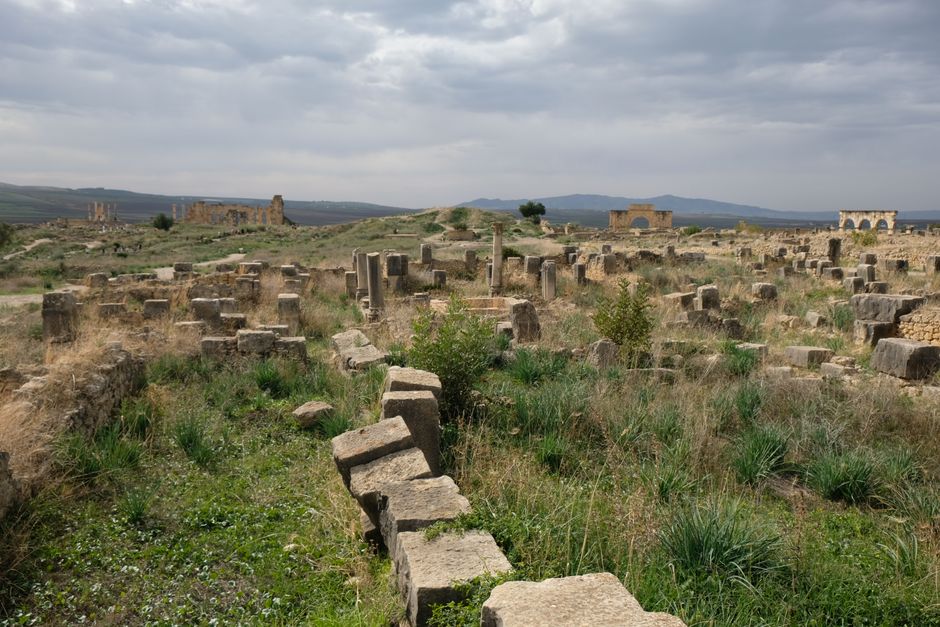
Jonah 3 takes place in the heart of the Assyrian Empire, specifically in Nineveh, an ancient metropolis known for its brutality and pride. Written likely in the 8th century B.C., this chapter records the prophet’s second commission after his miraculous deliverance from the great fish, serving as a stark contrast to his initial flight to Tarshish. You can read Jonah 3 on Bible Gateway to ground yourself in the text.
The overarching theological theme of Jonah 3 is the omnipotence of God’s grace and the efficacy of His Word when proclaimed in truth. For the modern believer, this chapter serves as a profound reminder that no city, person, or situation is beyond the reach of divine intervention, calling us to radical obedience and the urgent mission of sharing the Gospel with a fallen world.
Verse-by-Verse Commentary on Jonah 3
Jonah 3:1 — Meaning and Explanation
“And the word of the LORD came unto Jonah the second time, saying,”
This verse highlights the doctrine of the “God of the second chance,” demonstrating that God’s calling on a believer’s life is irrevocable even after failure. The Hebrew word for “word” is dabar (Strong’s H1697), which implies not just speech, but a divine command that carries the weight of reality itself. God does not discard His servants; He restores them.
The repetition of the command emphasizes that Jonah’s personal history—his rebellion and his time in the belly of the fish—did not cancel his mission. It is a profound comfort to the believer who feels they have missed their window of opportunity; God remains the author of our purpose, and He is persistent in His pursuit of our obedience.
Jonah 3:4 — Meaning and Explanation
“And Jonah began to enter into the city a day’s journey, and he cried, and said, Yet forty days, and Nineveh shall be overthrown.”
Jonah’s proclamation was a direct, sobering message of judgment, yet it was precisely what the Ninevites needed to hear. The Hebrew verb for “cried” is qara (Strong’s H7121), meaning to call out or proclaim publicly. Jonah did not deliver a nuanced sermon; he delivered a prophetic warning that demanded an immediate response from the hearers.
The “forty days” represents a period of probation or testing, often found in Scripture (such as the flood or Israel in the wilderness). By including this timeframe, God offered the Ninevites a window for repentance. It teaches us that judgment is often a tool of mercy, designed to turn our hearts back to the Creator before it is too late.

Jonah 3:5 — Meaning and Explanation
“So the people of Nineveh believed God, and proclaimed a fast, and put on sackcloth, from the greatest of them even to the least of them.”
The immediate response of the Ninevites is one of the most remarkable instances of mass repentance in the Bible. The word “believed,” or aman (Strong’s H539), implies a firm, settled trust—they did not just hear the words; they relied upon the truth of the impending judgment and acted accordingly.
Their actions—fasting and sackcloth—were signs of genuine humiliation before the Almighty. This demonstrates that true repentance is never merely intellectual; it is physical and communal. When a society or an individual truly believes God, the outward evidence of a changed life (humility and self-denial) inevitably follows.
Jonah 3:10 — Meaning and Explanation
“And God saw their works, that they turned from their evil way; and God repented of the evil, that he had said that he would do unto them; and he did it not.”
This verse touches on the mystery of God’s “repentance” (nacham, Strong’s H5162), which in this context means a relenting or a change in God’s administrative action based on the changed state of the human heart. It does not mean God was mistaken; it means He responded to the Ninevites’ repentance with the grace that was always inherent in His character.
The lesson here is that God’s warnings are intended to be averted. He is not a deity who delights in destruction, but a Savior who delights in the turning of the sinner. This is the heart of the Gospel—that through Christ, the judgment we deserve has been satisfied, allowing us to find favor in the eyes of the Father.

How to Apply Jonah 3 in Your Daily Life
Applying Jonah 3 to your modern life requires embracing the reality of “second chances.” Perhaps you feel you have failed in your role as a parent, a spouse, or a witness for Christ. Jonah 3 reminds us that God is not finished with you. Just as He called Jonah again, He is calling you today. In your workplace, this might mean having the courage to speak up for truth, even when you feel ill-equipped or fearful of the consequences.
In your family, practice the spirit of “Nineveh-style” repentance. When we are confronted with our faults, our natural inclination is to justify ourselves. Instead, follow the example of the Ninevites: acknowledge the truth, humble yourself (fasting or setting aside personal comfort), and turn from your “evil way.” By doing so, you create an environment where God’s mercy can heal broken relationships and restore peace to your home.
A Prayer Based on Jonah 3
Guided Scriptural Prayer
Heavenly Father, I thank You that You are the God of the second chance, always calling me back to the mission You have set before me. Forgive me for the times I have run from Your instruction, and grant me the courage of Jonah to proclaim Your truth in a world that desperately needs to hear it. Like the people of Nineveh, I humble my heart before You today, turning from my pride and my own ways. I trust in Your infinite mercy and believe that You are a God who longs to restore rather than destroy. May my life be a reflection of Your grace, as I walk in obedience to Your Word. Amen.
Frequently Asked Questions About Jonah 3
What is the main message of Jonah 3?
The main message of Jonah 3 is that God’s mercy is available to all who repent, regardless of their past or their reputation. It demonstrates that the Word of God is powerful and effective when preached faithfully. Even the most wicked, like the Ninevites, can experience God’s forgiveness when they turn from their “evil way” (Jonah 3:10). The chapter serves as a testament to the divine patience of God, who warns before He judges, and who invites every soul to seek Him.
Who wrote Jonah and why?
While the book is named after the prophet Jonah, the human author is traditionally understood to be Jonah himself, as the narrative is written in the third person but contains intimate details of his inner thoughts. The purpose of the book is to challenge the narrow, nationalistic views of the Israelites and to reveal that God is the Creator and Savior of all nations, not just the people of Israel. It emphasizes that God’s grace transcends cultural and political boundaries.
What does “God repented of the evil” mean in Jonah 3:10?
The term “repented” (Hebrew: nacham) in Jonah 3:10 does not imply that God made a mistake or changed His moral character. Rather, it signifies that God changed His course of action in response to the Ninevites’ repentance. In theological terms, this is an anthropomorphism—describing God in human terms to help us understand that He is responsive to human actions. Because the Ninevites turned from their wickedness, God, who is inherently merciful, relented from bringing the threatened judgment upon them.
May the grace of our Lord Jesus Christ, which is deeper than any ocean and wider than any city, sustain you as you walk in obedience to His calling.