

Welcome to this deep dive into the heart of the Gospel of Luke. In this study of Luke 23, we will walk the Via Dolorosa alongside our Savior, exploring themes of divine forgiveness, the sovereignty of God amidst human cruelty, and the ultimate triumph of the cross.
Luke 23 — Historical and Spiritual Context
Luke 23 provides a meticulous historical account of the trial, crucifixion, and burial of Jesus Christ, written by Luke the physician for his patron, Theophilus. Composed roughly between 60–80 AD, this narrative captures the legal maneuvering of the Sanhedrin, the vacillation of Pontius Pilate, and the brutal reality of Roman execution. You can read Luke 23 on Bible Gateway to immerse yourself in the full text.
Theologically, Luke 23 serves as the climax of the Lukan narrative, emphasizing the innocence of the Suffering Servant and His compassionate mission toward the outcast. For the modern believer, this chapter is the cornerstone of the Christian faith, demonstrating that the death of Christ was not a defeat, but a deliberate, sacrificial act of atonement. It challenges the reader to consider the cost of their salvation and the radical nature of Christ’s invitation to grace.

Verse-by-Verse Commentary on Luke 23
Luke 23:34 — Meaning and Explanation
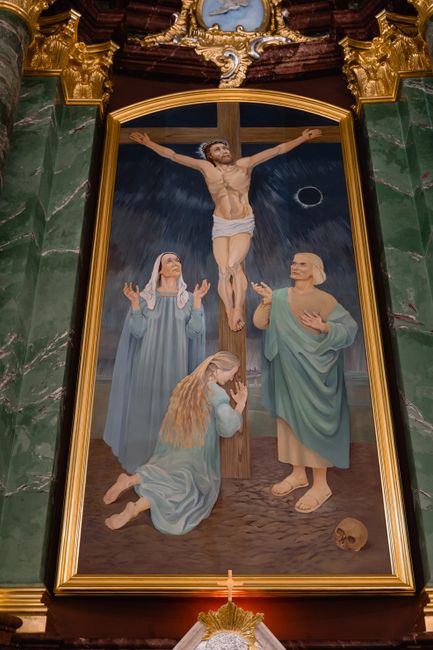
“Then said Jesus, Father, forgive them; for they know not what they do. And they parted his raiment, and cast lots.”
This verse captures the pinnacle of Christ’s character: intercessory love amidst agonizing torture. The Greek word for “forgive” is aphiēmi (G863), which literally means to send away or cancel a debt. Jesus was not merely asking for a temporary pardon; He was petitioning the Father to release the spiritual debt owed by those who were nailing Him to the cross.
The phrase “they know not what they do” highlights the blindness of sin. Even in the midst of the most heinous crime in human history, Jesus recognized the spiritual ignorance of the executioners and the religious leaders. This teaches us that the heart of God is perpetually turned toward reconciliation, even when the object of His love is actively rejecting Him. It is a profound reminder that our forgiveness is not based on our own merit, but on the relentless intercession of the Son.
Luke 23:42 — Meaning and Explanation
“And he said unto Jesus, Lord, remember me when thou comest into thy kingdom.”
This request from the penitent thief is a masterpiece of faith expressed in the eleventh hour. The word “Lord” here is kyrios (G2962), signifying not just a master, but one who possesses supreme authority. Despite Jesus hanging in apparent defeat, the thief recognized the eternal King behind the bloodied visage.
The thief’s plea, “remember me,” is rooted in the Old Testament concept of divine remembrance (as seen in Genesis 8:1), where God’s “remembering” leads to deliverance and mercy. This encounter proves that salvation is not a product of works, religious ritual, or social standing, but of simple, desperate trust in the person of Jesus. It is the ultimate encouragement for anyone who feels they have sinned too much to be reached by the grace of God.
Luke 23:43 — Meaning and Explanation
“And Jesus said unto him, Verily I say unto thee, To day shalt thou be with me in paradise.”
Jesus’ response is the most immediate promise of salvation in the New Testament. The word “paradise” (paradeisos, G3857) is a Persian loanword describing a royal garden or park, used here to denote the blissful state of the soul immediately following death. By saying “To day,” Jesus shattered the thief’s expectations of a distant, future hope, offering him an immediate entry into the presence of God.
This verse effectively refutes theories of “soul sleep” or purgatory. For the believer, the transition from this life to the next is instantaneous and intimate. The Savior, who was about to descend into the darkness of death, promised that His presence would be the light that welcomed the thief into glory. It is a comforting assurance that death is not the end for those who call upon the name of the Lord.
Luke 23:46 — Meaning and Explanation
“And when Jesus had cried with a loud voice, he said, Father, into thy hands I commend my spirit: and having said this, he gave up the ghost.”
In His final breath, Jesus quotes Psalm 31:5, demonstrating His complete confidence in the Father’s sovereign will. The Greek verb for “commend” is paratithēmi (G3908), which means to deposit something valuable for safekeeping. Jesus was entrusting His spirit—the very essence of His humanity—into the hands of the One who sent Him.
The phrase “gave up the ghost” (ekpneō, G1606) is significant because it implies a voluntary surrender. Jesus was not killed by the Romans; He laid down His life on His own terms. This act of submission completes the mission of the Incarnation. By placing His spirit into the Father’s hands, He ensured that the way to the Father was now open for all who follow Him.

How to Apply Luke 23 in Your Daily Life
Applying Luke 23 to your modern life begins with the radical practice of forgiveness. Just as Jesus prayed for those who were killing Him, we are called to release the debts of those who offend us in the workplace or the home. If a coworker undermines your project, or a family member speaks harshly, choose to view their actions through the lens of their spiritual blindness rather than your own wounded pride. Pray for their enlightenment, not their punishment.
Furthermore, adopt the attitude of the penitent thief by practicing daily humility. In your prayer life, stop relying on your “good deeds” to earn God’s favor. Instead, approach Him daily with the simple, sincere petition: “Lord, remember me.” Let this vulnerability define your walk, reminding you that your standing before God is entirely dependent on His grace. When you face trials or “crosses” in your own life—whether financial stress or health struggles—practice commending your spirit into His hands, trusting that He is a faithful custodian of your soul.
A Prayer Based on Luke 23
Guided Scriptural Prayer
Heavenly Father, I stand in awe of the cross where Your Son bore the weight of my sin. Like the penitent thief, I confess my need for Your mercy and ask that You would remember me in Your kingdom. Help me to emulate the forgiveness of Jesus, extending grace to those who have hurt me even when my heart feels heavy. When I face the trials of this life, grant me the courage to commend my spirit into Your faithful hands. May I live each day in the light of Your finished work, knowing that because of You, I have the promise of paradise. In Jesus’ name, Amen.
Frequently Asked Questions About Luke 23
What is the main message of Luke 23?
The main message of Luke 23 is the demonstration of Jesus Christ as the innocent, compassionate Savior who fulfills the prophetic scriptures through His death. It emphasizes that Christ’s crucifixion was not a failure of His mission, but the fulfillment of it. By highlighting His forgiveness of the executioners and His promise to the thief, Luke underscores that the cross is the ultimate display of God’s grace. Readers are meant to see that despite human malice and the cruelty of the Roman state, God is sovereignly orchestrating the redemption of mankind.
What does “Father, into thy hands I commend my spirit” mean?
Found in Luke 23:46, this statement signifies Jesus’ voluntary surrender to death and His absolute trust in the Father. By using the word “commend,” Jesus indicates that He is entrusting His spirit to God for safekeeping, echoing the sentiment of Psalm 31:5. It demonstrates that Jesus remained in control of His destiny until the very end, choosing to yield His life as a sacrifice. For the believer, this phrase serves as the ultimate model for how to face the end of life or any major crisis: with total abandonment to God’s care.
Why did Pilate want to release Jesus in Luke 23?
In Luke 23, Pontius Pilate repeatedly declares that he finds “no fault” in Jesus (Luke 23:4, 14, 22). Pilate recognized that the accusations brought by the Jewish leaders were motivated by “envy” (as noted in the parallel accounts) and that Jesus posed no actual political threat to Rome. However, Pilate’s desire to release Him was ultimately overridden by his cowardice and his fear of civil unrest. He chose to preserve his political standing rather than uphold justice, illustrating the human tendency to sacrifice truth for the sake of self-preservation and social approval.
May the peace of the Lord, who endured the cross for your sake, dwell in your heart and mind as you walk in His light today.