
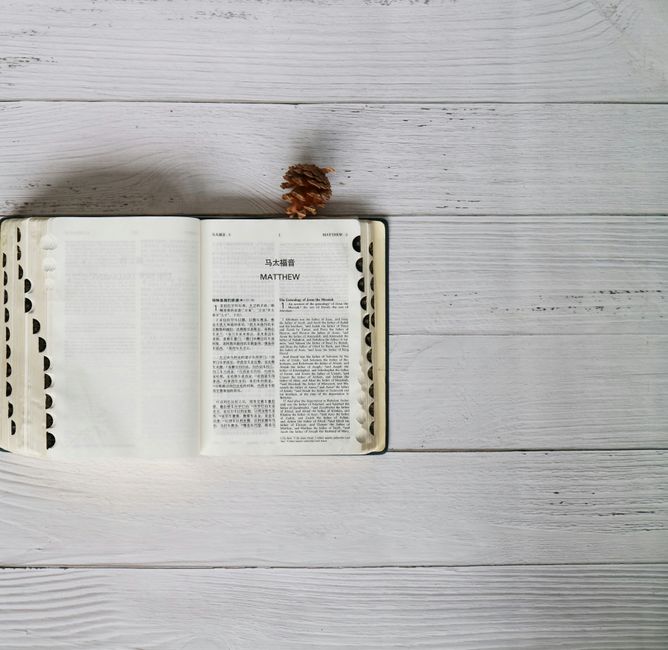
Welcome to this deep dive into the second chapter of the Gospel of Matthew. In this study, we will explore the arrival of the Magi, the political tension of Herod’s court, the fulfillment of ancient prophecy, and the providential protection of the Holy Family, all of which reveal the sovereign hand of God in the life of Christ.
Matthew 2 — Historical and Spiritual Context
Matthew 2 provides the historical transition from the private birth of Jesus in Bethlehem to the public recognition of His status as King of the Jews. Written by the Apostle Matthew for a primarily Jewish audience, this narrative underscores that Jesus is the long-awaited Messiah who fulfills the Law and the Prophets, establishing His authority amidst the crumbling political landscape of the Roman-Herodian era.
Theologically, this chapter serves as a profound contrast between the earthly power of Herod—defined by pride and fear—and the divine authority of the infant King, who receives worship from the Gentiles. It challenges the modern believer to identify who they serve: the temporal systems of this world or the King of Kings. You can read Matthew 2 on Bible Gateway to ground yourself in the text before we proceed.
Verse-by-Verse Commentary on Matthew 2
Matthew 2:2 — Meaning and Explanation
“Saying, Where is he that is born King of the Jews? for we have seen his star in the east, and are come to worship him.”
The arrival of the Magi, or “wise men,” signifies the universal scope of Christ’s mission. The Greek word for “worship” here is *proskuneo* (Strong’s G4352), which literally means to kiss the hand or prostrate oneself before royalty. By seeking the “King of the Jews,” these Eastern scholars were acknowledging a sovereignty that transcended their own pagan cultural boundaries.
Historically, these men represent the “firstfruits” of the Gentiles coming to the light of the Gospel. Their inquiry troubled Herod, who perceived the birth of a rival king as a threat to his fragile throne. The spiritual lesson here is clear: true wisdom always leads to the worship of Jesus, even when that path puts us at odds with the status quo of the world.

Matthew 2:6 — Meaning and Explanation
“And thou Bethlehem, in the land of Juda, art not the least among the princes of Juda: for out of thee shall come a Governor, that shall rule my people Israel.”
This verse quotes Micah 5:2, pinpointing the precise location of the Messiah’s birth. Matthew emphasizes that God’s plan is never accidental; it is anchored in the prophetic witness of the Old Testament. The term “Governor” translates from the Greek *hegoumenos* (Strong’s G2233), denoting a leader or a guide who holds authority.
For the believer, this verse is a testament to God’s meticulous providence. Even in the “least” places of our lives—our trials, our obscurity, or our humble beginnings—God is working to bring forth His purposes. Just as Bethlehem was chosen for the King, God uses the overlooked aspects of our lives to manifest His glory.
Matthew 2:11 — Meaning and Explanation
“And when they were come into the house, they saw the young child with Mary his mother, and fell down, and worshipped him: and when they had opened their treasures, they presented unto him gifts; gold, and frankincense, and myrrh.”
The gifts brought by the Magi are steeped in symbolic theology, reflecting the nature of the child they encountered. Gold represents His kingship, frankincense (used in priestly incense) represents His divinity and role as High Priest, and myrrh (a burial spice) foreshadows His sacrificial death. This act of giving was not merely a gesture of respect; it was an act of total surrender.
In our walk with Christ, we are called to bring our own “treasures” to Him. We offer our time, our ambitions, and our very lives. As Matthew Henry notes, these wise men did not come to get, but to give. The lesson for us is to ensure that our worship is active, sacrificial, and aligned with the truth of who Jesus is.

Matthew 2:13 — Meaning and Explanation
“And when they were departed, behold, the angel of the Lord appeareth to Joseph in a dream, saying, Arise, and take the young child and his mother, and flee into Egypt, and be thou away until I bring thee word: for Herod forrest: for Herod will seek the young child to destroy him.”
The flight to Egypt underscores the reality of spiritual warfare. The Greek word for “flee” is *pheugo* (Strong’s G5343), often used to describe escaping a life-threatening danger. Herod’s envy was so profound that it led to the slaughter of the innocents, proving that when the light of Christ enters a dark world, it invariably triggers resistance from the powers of darkness.
For the modern Christian, this passage offers immense comfort. It reminds us that being in the center of God’s will does not exempt us from hardship or persecution. However, it also promises that God is constantly watching over His own. He provides the warning, the way, and the protection needed to fulfill His ultimate plan for our lives.
How to Apply Matthew 2 in Your Daily Life
Applying the lessons of Matthew 2 requires us to cultivate a “wise man’s” heart—one that is observant of God’s signs and willing to move when He speaks. In your daily work, consider how you might be tempted to compromise your integrity to please a “Herod” (a boss or societal pressure). Instead, choose to offer your best work as a gift to the Lord, trusting that He is your true Provider and Governor.
In your family life, prioritize the “star” of God’s Word over the distractions of the world. When you face uncertainty or feel like you are in “Egypt”—a place of exile or trial—remember Joseph’s obedience. He did not ask for a full map of the future; he simply took the next step God commanded. Pray for the discernment to hear the Lord’s voice through His Word, and the courage to act immediately, even when the path seems difficult.
A Prayer Based on Matthew 2
Guided Scriptural Prayer
Heavenly Father, I come before You today, acknowledging that You are the King of my life, just as the Magi bowed before the infant Jesus in Matthew 2:11. Grant me the wisdom to discern Your leading in the midst of a world that often seeks to destroy the truth. Help me to offer my life as a living sacrifice, bringing to You the treasures of my heart, my time, and my service. When I face trials or the opposition of the world, remind me that You are my protector and my guide. May I always trust in Your sovereign plan, walking in obedience as Joseph did, and keeping my eyes fixed on the light of Your glory. Amen.
Frequently Asked Questions About Matthew 2
What is the main message of Matthew 2?
The main message of Matthew 2 is the revelation of Jesus as the true King of the Jews and the Savior of the world. By contrasting the humble worship of the Magi with the jealous, violent reaction of Herod, Matthew establishes that Jesus is the fulfillment of Old Testament prophecy (Isaiah 7:14; Micah 5:2). The chapter highlights that God’s sovereignty is absolute, and despite the attempts of worldly powers to suppress Him, the Messiah will triumph. It invites the reader to decide whether they will, like Herod, resist the King, or like the Magi, bow in humble submission.
Why did the Holy Family flee to Egypt in Matthew 2?
The family fled to Egypt in Matthew 2:13–15 to escape the murderous intent of King Herod, who sought to kill the infant Jesus to protect his own political power. Beyond the immediate historical necessity, this event serves a deeper theological purpose: it mirrors the history of Israel, who also went down into Egypt. By bringing Jesus out of Egypt, Matthew demonstrates that Jesus is the true representative of Israel, fulfilling the words of the prophet Hosea: “Out of Egypt have I called my son” (Hosea 11:1). It highlights God’s providential protection over the life of His Son.
What do the gifts of the Magi represent in Matthew 2:11?
The gifts of gold, frankincense, and myrrh in Matthew 2:11 are traditionally interpreted as symbolic of Christ’s identity and mission. Gold, being the most precious metal, represents His royalty as the King of Kings. Frankincense, used in the temple service to honor God, symbolizes His divinity and His role as our High Priest who intercedes for us. Myrrh, a bitter spice used in embalming, symbolizes His humanity and His coming sacrificial death for the sins of the world. Together, these gifts proclaim that the child in the manger is the King, the Priest, and the Suffering Servant.
May the light of the Star of Bethlehem guide your steps and illuminate your heart as you walk in the truth of the King of Kings.