
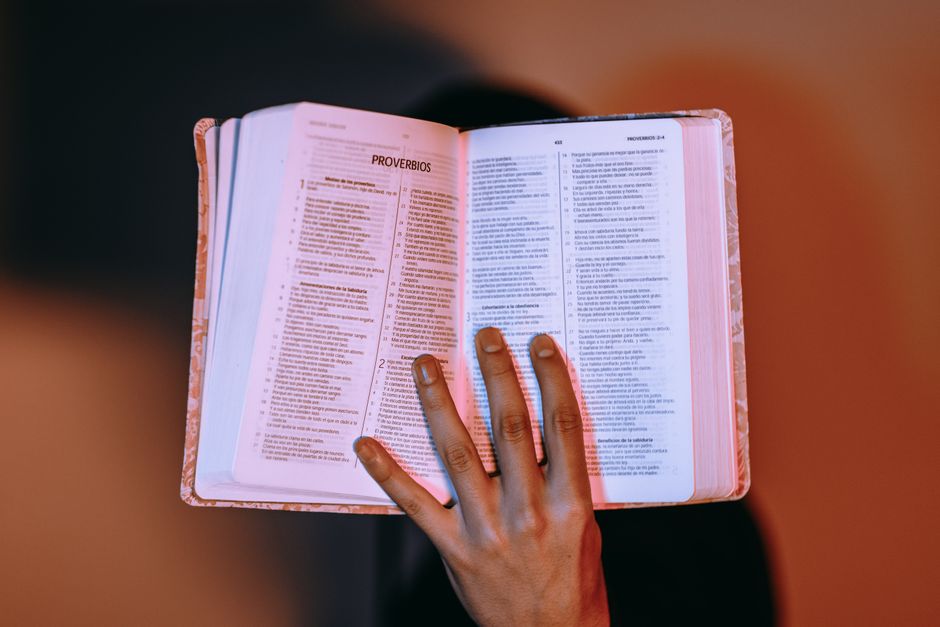
Welcome to this deep dive into the wisdom of Solomon, where we will examine the transformative truths found in the tenth chapter of the book of Proverbs. Together, we will uncover how this pivotal shift in the text provides a practical blueprint for righteous living, the power of our speech, and the enduring nature of godly character.
Proverbs 10 — Historical and Spiritual Context
Proverbs 10 marks a significant structural transition in the book, moving from the extended poetic discourses of chapters 1–9 into the “Proverbs of Solomon” (10:1–22:16). Authored primarily by King Solomon around 950 B.C., these pithy, often antithetical couplets were designed to instruct the youth of Israel in the fear of the Lord. These sayings served as an educational curriculum for the royal court and the common citizen alike, emphasizing that wisdom is not merely intellectual, but a lived reality that manifests in daily conduct. You can read Proverbs 10 on Bible Gateway to familiarize yourself with the full text before we begin our study.
The overarching theological theme of Proverbs 10 is the sharp contrast between the “righteous” and the “wicked,” illustrating that our choices carry eternal and temporal consequences. For the modern believer, this chapter serves as a mirror for the soul, challenging us to align our speech, our work ethic, and our hearts with the character of God. It teaches that while the world often confuses the paths of the moral and the immoral, God sees a clear distinction, and He invites us to walk in the “path of the just,” which is as a shining light.

Verse-by-Verse Commentary on Proverbs 10
Proverbs 10:1 — Meaning and Explanation
“The proverbs of Solomon. A wise son maketh a glad father: but a foolish son is the heaviness of his mother.”
This verse serves as the thematic anchor for the chapter, establishing the relational impact of individual character on the family unit. In the Hebrew text, the word for “wise” is chakam (Strong’s H2450), which implies not just intelligence, but the practical application of moral truth. Solomon highlights that wisdom is not a solitary endeavor; it ripples outward, bringing joy to those who invested in the child’s upbringing.
Conversely, the “foolish” son brings “heaviness” or sorrow (Hebrew: tugah) to his mother. In the ancient Near Eastern context, the mother’s role was central to the home’s emotional stability. A son’s moral failure was often viewed as a reflection of the family’s failure to transmit the fear of the Lord. For us today, it reminds us that our personal integrity is a testimony—or a tragedy—to those who love us most, reminding us that we are stewards of our parents’ legacy.

Proverbs 10:9 — Meaning and Explanation
“He that walketh uprightly walketh surely: but he that perverteth his ways shall be known.”
The concept of walking “uprightly” refers to moral integrity and consistency in one’s lifestyle. The Hebrew term for “surely” is betach (Strong’s H983), which denotes security, safety, and lack of fear. The person who lives with nothing to hide walks with a confidence that is anchored in the character of God, because their path is straight and their motives are transparent.
The contrast is the one who “perverteth” or twists his ways. The Hebrew root here suggests a crooked, devious path. Solomon warns that such a person will inevitably be “known”—a word implying exposure or discovery. In a world of digital footprints and public scrutiny, this verse is increasingly relevant: the mask of the hypocrite eventually slips. A life built on truth is the only life that offers true security in an unstable world.
Proverbs 10:19 — Meaning and Explanation
“In the multitude of words there wanteth not sin: but he that refraineth his lips is wise.”
Solomon provides a masterclass in emotional intelligence and spiritual discipline here. The “multitude of words” (Hebrew: rob debarim) often leads to a deficiency of restraint, which quickly manifests as sin. This is not a call to silence, but to calculated, God-honoring speech. The term “refraineth” is a strong verb suggesting the act of holding back or restraining a wild beast.
Theologically, this verse points to the heart as the source of speech (Matthew 12:34). When we speak too quickly, we often bypass the filter of the Holy Spirit. By practicing the spiritual discipline of listening more than speaking, we avoid the pitfalls of gossip, slander, and pride. As we learn to moderate our speech, we demonstrate the wisdom of the Spirit, who is the author of order and peace, rather than the confusion of a loose tongue.

Proverbs 10:22 — Meaning and Explanation
“The blessing of the Lord, it maketh rich, and he addeth no sorrow with it.”
This is perhaps the most beloved promise in the chapter, defining the nature of true prosperity. The Hebrew word for “rich” (ashar) here is not limited to financial wealth, but encompasses the fullness of life, favor, and spiritual abundance. The critical qualifier is that God’s blessing brings no “sorrow” or toil (Hebrew: etseb).
Often, worldly wealth is gained through compromise, greed, or anxiety—what the world calls “success” that comes with a high price tag of lost sleep or broken relationships. God’s blessing, however, is pure. It is the result of His favor, not our frantic striving. When we seek His kingdom first, He provides the increase that satisfies the soul without the bitter sting of regret, ensuring that our prosperity serves Him rather than enslaving us.
How to Apply Proverbs 10 in Your Daily Life
Applying Proverbs 10 requires a conscious pivot from worldly ambition to godly character. In your family, consider the “heaviness” or “gladness” mentioned in verse 1. Does your daily conduct at home bring peace or friction? Start by practicing intentional kindness toward your spouse or children, showing them that your faith dictates your patience even when you are tired. At work, apply verse 9 by choosing the path of integrity even when a “crooked” shortcut seems more profitable. Being the person who is known for honesty—even when it costs you—establishes a reputation that is worth more than any quick bonus.
In your spiritual walk, focus on the power of the tongue described in verse 19. Before you speak in a meeting or post on social media, ask: “Is this necessary? Is it kind? Is it true?” By cultivating a habit of “refraining the lips,” you create space for the Holy Spirit to guide your words. Finally, trust that your provision comes from the Lord (v. 22). When you stop equating your value with your net worth and start equating it with your walk with God, you will find a “richness” that no economic downturn can ever strip away.
A Prayer Based on Proverbs 10
Guided Scriptural Prayer
Heavenly Father, I come before You asking for the wisdom to walk uprightly in a world that often celebrates the crooked path. Help me to be a steward of my words, knowing that in the multitude of speech, I am prone to sin; let my lips be guarded by Your truth. I pray that my life may bring gladness to those around me and honor to Your name, rather than the heaviness of foolishness. I thank You for Your blessing, which makes me rich in spirit and free from the sorrows of worldly greed. May I walk surely today, anchored in Your grace and guided by Your Word. Amen.
Frequently Asked Questions About Proverbs 10
What is the main message of Proverbs 10?
The main message of Proverbs 10 is the contrast between the life of the righteous and the life of the wicked. Solomon uses antithetical parallelism—placing two opposing ideas side-by-side—to show that wisdom leads to stability, life, and favor, while folly leads to ruin, shame, and sorrow. The chapter serves as a practical manual for ethical living, emphasizing that our daily choices, our words, and our work ethic are not neutral; they reflect either a heart aligned with God or a heart turned away from Him. You can find further insights on these moral dichotomies at Blue Letter Bible.
What does Proverbs 10:22 mean about riches?
Proverbs 10:22 teaches that true prosperity is a gift from God. It distinguishes between wealth earned through worldly, often sinful, striving and the “blessing of the Lord.” When God provides, He does not add “sorrow” to the gift. This means that godly wealth does not destroy the recipient’s peace, family, or spiritual health. It is a reminder that the source of our provision is more important than the amount, and that we should seek the favor of God before seeking the accumulation of things.
Why is there so much focus on speech in Proverbs 10?
Proverbs 10 emphasizes the power of speech because, in the biblical worldview, words are an overflow of the heart. The chapter highlights that the tongue can be a source of life (v. 11, 21) or a source of destruction (v. 19, 31). Because words have the power to build relationships or tear them down, Solomon provides these proverbs to teach the godly the discipline of restraint and the importance of using speech to impart wisdom rather than idle chatter. Controlling the tongue is presented as a hallmark of the wise.
May the wisdom of Solomon illuminate your path and bring deep, abiding peace to your heart as you walk in the way of the righteous.