
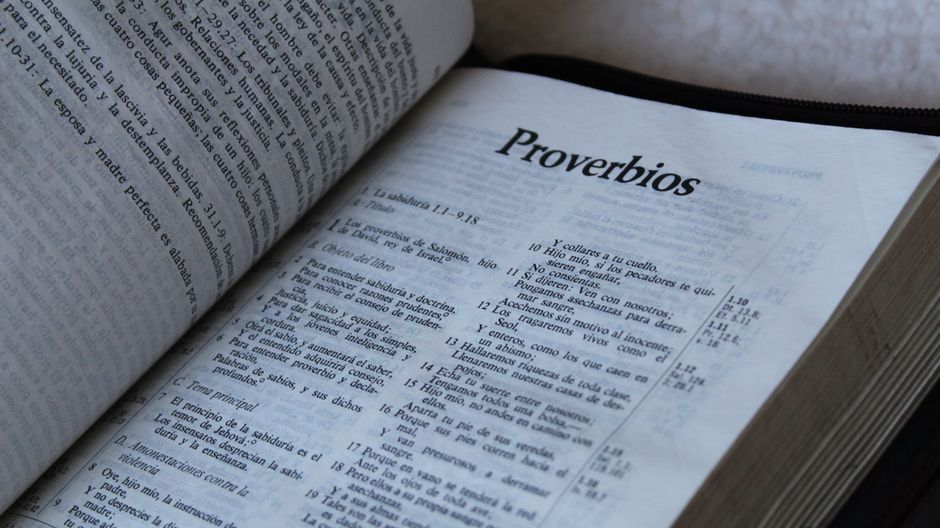
Welcome to this deep-dive study of Proverbs 15, a chapter that serves as a divine manual for the tongue, the heart, and the posture of the believer before God. As we explore these verses, we will uncover timeless wisdom concerning how our words and attitudes shape our relationships and our standing with the Almighty.
Proverbs 15 — Historical and Spiritual Context
Proverbs 15 was largely compiled under the direction of King Solomon, the son of David, during the height of the united monarchy in Israel, likely between 970 and 930 B.C. While some scholars suggest these proverbs were collected by the men of Hezekiah later on, the core wisdom reflects the instructional tone Solomon used to train the youth of Israel in the fear of the Lord.
The overarching theological theme of this chapter is the sovereignty of God’s gaze and the profound weight of human communication. It serves as a stark reminder that while we often focus on outward actions, the Lord weighs the spirit and the heart. In an era of digital noise, this chapter remains vital for the modern believer, offering a blueprint for cultivating a “soft answer” that turns away wrath and maintaining a life of integrity that pleases the Creator. You can read Proverbs 15 on Bible Gateway to familiarize yourself with the full text.

Verse-by-Verse Commentary on Proverbs 15
Proverbs 15:1 — Meaning and Explanation
“A soft answer turneth away wrath: but grievous words stir up anger.”
This verse provides the golden rule for conflict resolution, teaching that our response to hostility determines the trajectory of the interaction. The Hebrew word for “soft” is raccah (Strong’s H7401), which denotes tenderness, gentleness, or even weakness in a physical sense, but here implies a spirit that is not defensive or retaliatory. It is a calculated act of humility that disarms the aggressor.
Conversely, “grievous words” are literally “words of pain.” When we respond to anger with barbed, cutting language, we are essentially pouring gasoline on a fire. The spiritual lesson here is that our speech is a reflection of our internal mastery. A Christian who controls their tongue in the heat of a moment demonstrates that they are ruled by the Holy Spirit rather than their own wounded pride or defensive instincts.

Proverbs 15:3 — Meaning and Explanation
“The eyes of the Lord are in every place, beholding the evil and the good.”
This verse serves as both a comfort and a warning, establishing the doctrine of the omniscience of God. The Hebrew verb for “beholding” is tsaphah (Strong’s H6822), which carries the imagery of a watchman standing in a high tower, surveying the horizon. God is not a distant, indifferent observer; He is actively watching the moral landscape of human affairs.
For the believer, this is a profound comfort because it means our suffering, our hidden acts of kindness, and our secret prayers are never unseen. For the wicked, it is a sobering reminder that there is no shadow deep enough to hide from the gaze of the Creator. Living with the awareness of God’s presence—the “Coram Deo” or living before the face of God—is the ultimate deterrent against sin and the greatest motivation for holiness.
Proverbs 15:13 — Meaning and Explanation
“A merry heart maketh a cheerful countenance: but by sorrow of the heart the spirit is broken.”
The connection between the internal state of the heart and the external appearance is emphasized here. “Merry” comes from the Hebrew samach (Strong’s H8055), meaning to be glad, joyful, or bright. This is not merely a fleeting emotion but a settled disposition of trust in God. When the heart is anchored in the promises of the Lord, it inevitably transforms the face, producing a “cheerful countenance.”
The second half of the verse warns of the destructive power of prolonged sorrow or a spirit that has lost its hope. The Hebrew word for “broken” is ruwach (Strong’s H7307), often translated as spirit or breath. When our hearts are weighed down by bitterness or unresolved grief, our very vitality is sapped. This verse encourages us to guard our hearts diligently, as the health of our spirit dictates the quality of our witness to the world.

Proverbs 15:28 — Meaning and Explanation
“The heart of the righteous studieth to answer: but the mouth of the mouth of the wicked poureth out evil things.”
This verse highlights the discipline of thoughtful speech. The Hebrew word for “studieth” is hagah (Strong’s H1897), which is the same word used for meditating on the Law of the Lord. It implies a process of rumination, chewing over thoughts before they are vocalized. The righteous person does not speak impulsively; they weigh their words to ensure they are true, kind, and necessary.
In contrast, the wicked “poureth out” evil, a metaphor implying a lack of restraint, like a vessel that has tipped over and cannot stop its contents from spilling. The lesson is clear: wisdom requires a filter. We must move from a posture of reaction to a posture of meditation, ensuring that what comes out of our mouths has been processed through the grid of God’s truth. You can cross-reference these principles at Blue Letter Bible to see how this fits into the broader wisdom literature of the Old Testament.
How to Apply Proverbs 15 in Your Daily Life
Applying Proverbs 15 starts with the “soft answer” rule in your family life. When a spouse or child approaches you with frustration, resist the urge to correct them immediately or defend your position. Instead, pause, breathe, and choose words that de-escalate the tension. By lowering your volume and choosing words of empathy, you act as a peacemaker, effectively “turning away wrath” and creating a sanctuary of grace in your own home.
In the workplace, apply the principle of the “watching eye” of the Lord. When no one is looking, and you have the opportunity to cut corners or speak poorly of a colleague to gain an advantage, remember that God is the ultimate witness. Work with integrity not because your boss is watching, but because you are serving a higher Master. This builds a reputation of reliability and spiritual maturity that will eventually speak louder than any self-promotion could.
A Prayer Based on Proverbs 15
Guided Scriptural Prayer
Heavenly Father, I thank You for the wisdom found in Your Word, which guides my tongue and guards my heart. Help me to remember that Your eyes are upon me in every place, and may that truth inspire me to live with integrity. Lord, when I am provoked, grant me the grace to offer a soft answer rather than a sharp retort. Renew my heart with Your joy so that my countenance may reflect Your light to a broken world. May my words be studied and seasoned with salt, bringing honor to Your name. Amen.
Frequently Asked Questions About Proverbs 15
What is the main message of Proverbs 15?
The main message of Proverbs 15 is that the quality of a person’s life is determined by the condition of their heart and the discipline of their tongue. It teaches that God is an active observer of both our actions and our internal motives (v. 3, 11). By contrasting the righteous and the wicked, the chapter demonstrates that wisdom—manifested through gentle speech, a joyful heart, and a teachable spirit—leads to a stable and blessed life, while foolishness and uncontrolled anger lead to strife and ruin.
What does “a soft answer turneth away wrath” mean in Proverbs 15:1?
This verse is a practical instruction on conflict management. It means that responding to aggression with gentleness rather than counter-aggression can neutralize a volatile situation. It does not imply weakness or compromise; rather, it suggests that a calm, controlled response prevents the escalation of conflict. By refusing to match the “heat” of the other person, you remove the fuel for their anger, often causing them to calm down as well. It is a display of emotional maturity and spiritual self-control.
Who wrote Proverbs and why?
While the book of Proverbs is traditionally attributed to King Solomon, it is a collection of wisdom literature written by various authors, including Agur and Lemuel. Solomon is credited with the majority of the proverbs, written during his reign to provide moral, social, and spiritual instruction for the people of Israel. The primary purpose of these writings, as stated in Proverbs 1:2-4, is to give “subtilty to the simple, to the young man knowledge and discretion,” helping believers live lives that are pleasing to God and beneficial to their neighbors.
May the wisdom of this chapter dwell in you richly as you walk in the light of His truth today and always.