
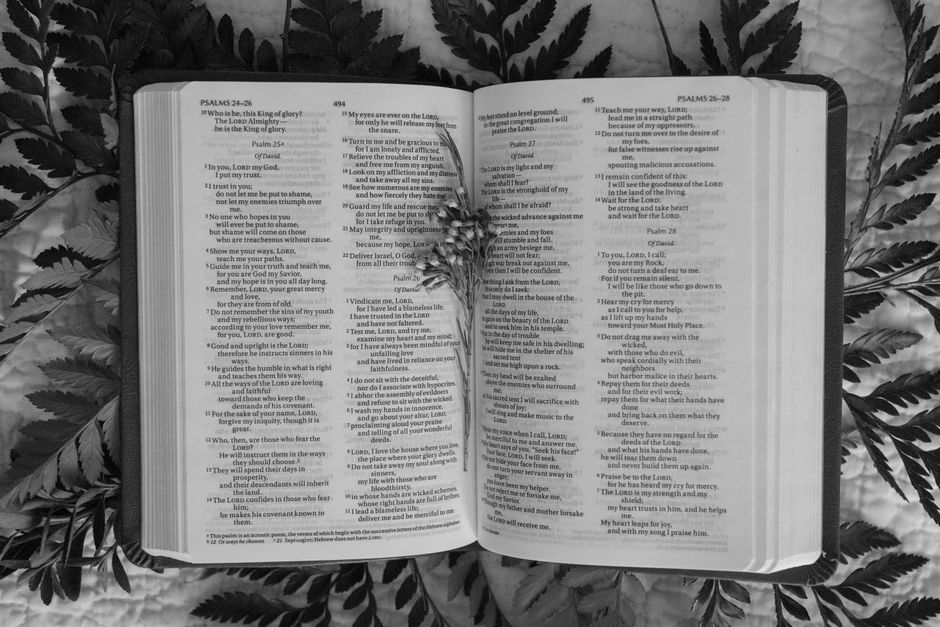
Welcome to this deep-dive study into one of the most rhythmic and soul-stirring hymns in the Psalter. In this exploration of Psalm 136, we will uncover the profound meaning behind its repetitive refrain, examine its historical significance, and learn how to apply its timeless declaration of God’s enduring mercy to our everyday lives.
Psalm 136 — Historical and Spiritual Context
Psalm 136 is traditionally categorized as a “Great Hallel” (The Great Praise), likely composed for temple liturgy during the post-exilic period or during a major national festival. The structure suggests a responsive reading, where a leader recited the mighty acts of God and the congregation echoed the refrain, “for his mercy endureth for ever,” serving as a constant reminder of God’s covenantal faithfulness throughout Israel’s history. You can read Psalm 136 on Bible Gateway to familiarize yourself with the full text.
Theologically, this Psalm serves as a foundational meditation on *hesed*—the Hebrew term for God’s steadfast, covenant-keeping love. By anchoring God’s mercy in both creation and the historical deliverance of Israel, the Psalmist teaches us that God’s character is not subject to the shifting tides of human circumstance. For the modern believer, this chapter is a vital anchor, reminding us that the same God who parted the Red Sea is the same God who sustains our daily lives today.

Verse-by-Verse Commentary on Psalm 136
Psalm 136:1 — Meaning and Explanation
“O give thanks unto the LORD; for he is good: for his mercy endureth for ever.”
The opening verse establishes the fundamental posture of the believer: gratitude predicated on the nature of God rather than current circumstances. The Hebrew word for “good” here is *towb* (Strong’s H2896), implying that God is not merely “nice,” but morally perfect, beneficial, and inherently excellent. This goodness is the bedrock upon which our faith rests.
The phrase “his mercy endureth for ever” centers on the Hebrew noun *chesed* (or *hesed*), which is notoriously difficult to translate with one English word. It denotes a loyal, covenantal love—a love that refuses to let go. When we praise God for His mercy, we are acknowledging that His commitment to us is not based on our performance, but on His unchanging, eternal nature.

Psalm 136:4 — Meaning and Explanation
“To him who alone doeth great wonders: for his mercy endureth for ever.”
This verse highlights the exclusivity and magnitude of God’s power. The Hebrew word for “wonders” is *pala* (Strong’s H6381), which refers to things that are extraordinary, hard to understand, or beyond human capability. The Psalmist emphasizes that God performs these acts “alone,” distinguishing Him from the impotent idols of the surrounding nations.
Spiritually, this verse encourages us to look for the “wonders” in our own lives. While we often look for miraculous signs, the Psalmist reminds us that the very act of God sustaining the universe and intervening in human history is a testament to His unique power. When we feel small or overwhelmed, we are reminded that our God is the only One capable of doing the impossible on our behalf.
Psalm 136:12 — Meaning and Explanation
“With a strong hand, and with a stretched out arm: for his mercy endureth for ever.”
This verse utilizes powerful anthropomorphic imagery to describe God’s deliverance of Israel from Egypt. A “strong hand” (*yad* – Strong’s H3027) symbolizes divine power, while a “stretched out arm” (*zeroa* – Strong’s H2220) symbolizes God’s active reach into the affairs of men to rescue His people.
For the ancient reader, this was a clear reference to the Exodus, the defining moment of Israel’s identity. For the Christian, this points toward the ultimate deliverance provided by the “arm of the Lord” (Isaiah 53:1)—the sacrifice of Jesus Christ. It reminds us that God is not a distant deity; He is a God who reaches into the chaos of our lives to pull us out of bondage and into freedom.

Psalm 136:23 — Meaning and Explanation
“Who remembered us in our low estate: for his mercy endureth for ever.”
This verse touches on the tender, personal nature of God. The phrase “low estate” refers to a state of humiliation, poverty, or oppression. The Hebrew word for “remembered” is *zakar* (Strong’s H2142), which in the biblical sense does not mean God had forgotten and then recalled, but that He took decisive action on behalf of those who were suffering.
We all experience seasons of “low estate”—times of grief, financial struggle, or spiritual dryness. This verse is a profound comfort, assuring us that even when we feel abandoned by the world, we are held in the memory of the Almighty. He does not overlook our suffering; rather, His *hesed* is most visible precisely when we are at our lowest point.
How to Apply Psalm 136 in Your Daily Life
Applying Psalm 136 in the modern era requires a shift in perspective. Start your morning by reciting the refrain, “for his mercy endureth for ever,” during your commute or while preparing coffee. When you encounter a stressful situation at work—perhaps a project fails or a colleague is difficult—remind yourself that God’s goodness (*towb*) is not contingent on your professional success. By anchoring your identity in His eternal mercy, you can approach these challenges with a steady, quiet confidence rather than anxiety.
In your family life, use this Psalm to cultivate a spirit of gratitude. During dinner, instead of a routine prayer, try a responsive reading where one person names a “wonder” God did that day, and the rest of the family responds in unison, “for his mercy endureth for ever.” This practice helps children and adults alike move from a posture of complaining to a posture of praise, rooting the family’s identity in the historical faithfulness of God.
A Prayer Based on Psalm 136
Guided Scriptural Prayer
Heavenly Father, I come before You today with a heart full of gratitude, acknowledging that You are good and that Your mercy endureth for ever. Thank You for remembering me even in my low estate and for reaching out with a strong hand to deliver me from my fears. I praise You for the wonders You have worked in my life, both seen and unseen. Help me to trust in Your covenantal love, knowing that no matter what I face, Your grace is sufficient. May my life be a living testament to Your unchanging character. Amen.
Frequently Asked Questions About Psalm 136
What is the main message of Psalm 136?
The main message of Psalm 136 is the eternal and unchanging nature of God’s covenantal love (*hesed*). By recounting God’s creation of the world, His deliverance of Israel from Egypt, and His provision for His people, the Psalmist demonstrates that God is both the Creator and the Sustainer of life. The recurring refrain, “for his mercy endureth for ever,” acts as a theological anchor, teaching the reader that because God’s love is eternal, our hope can remain firm regardless of the circumstances we encounter in our daily lives.
Who wrote Psalm 136 and why?
While the authorship of Psalm 136 is not explicitly stated in the text, it is traditionally attributed to the school of David or temple musicians during the post-exilic period. It was likely written for corporate worship, perhaps during a feast or a celebration of national renewal. The “call and response” structure suggests it was intended for temple liturgy, designed to lead the congregation in a corporate confession of God’s faithfulness, ensuring that every generation remembered the historical acts of God that defined their identity as His people.
What does “low estate” mean in Psalm 136:23?
In Psalm 136:23, “low estate” refers to a condition of humiliation, oppression, or helplessness. The Hebrew context often implies being brought down to a state of insignificance or suffering. By saying God “remembered” us in this state, the Psalmist is affirming that God is attentive to the plight of the humble and the brokenhearted. It serves as a profound encouragement that our suffering does not remove us from God’s sight; rather, it is in our weakness that His mercy is most clearly demonstrated and active.
May the enduring mercy of the Lord be the light that guides your path and the song that fills your heart today and every day.