
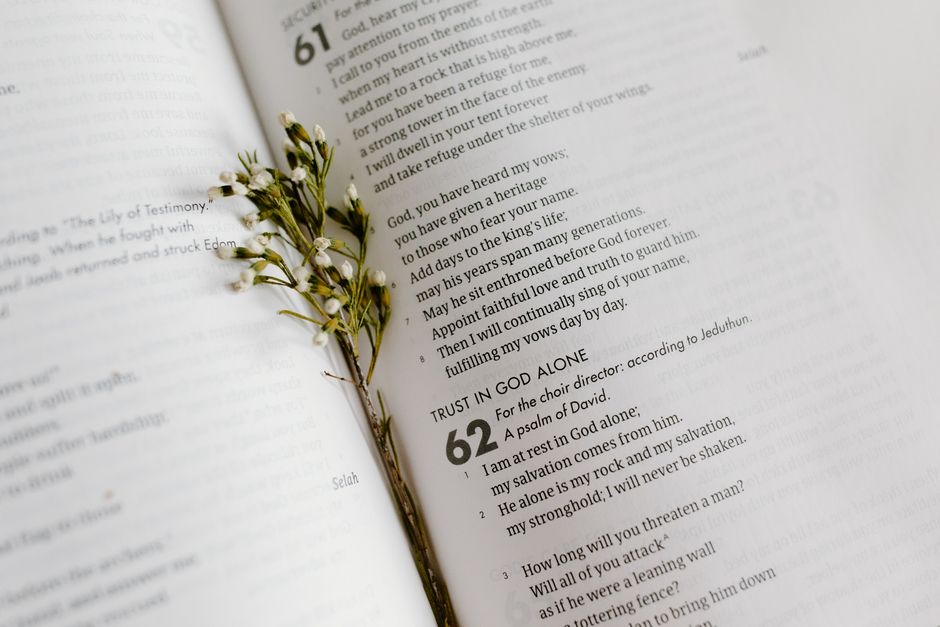
Welcome to this deep dive into the heart of Psalm 25, a profound prayer of a soul seeking divine guidance amidst life’s inevitable trials. As we journey through these verses, we will uncover the themes of humble dependence, the necessity of God’s instruction, and the comforting assurance of His covenant mercy.
Psalm 25 — Historical and Spiritual Context
Psalm 25 is traditionally attributed to King David, composed likely during a time of intense personal distress or national crisis, such as the rebellion of his son Absalom. As an acrostic poem in the Hebrew original—where each verse begins with a successive letter of the Hebrew alphabet—it reflects a structured, meditative cry for deliverance, forgiveness, and divine direction from a heart fully surrendered to Yahweh.
The overarching theological theme of Psalm 25 is the intersection of human frailty and divine faithfulness. It serves as a timeless manual for the believer who finds themselves caught between the consequences of past sin and the uncertainty of the future. By acknowledging his own ignorance and need for instruction, David models a posture of “covenantal intimacy” with God, teaching us that true wisdom is not found in intellectual acquisition, but in a reverent, obedient relationship with our Creator. You can read Psalm 25 on Bible Gateway to ground yourself in the text before we begin.

Verse-by-Verse Commentary on Psalm 25
Psalm 25:1 — Meaning and Explanation
“Unto thee, O LORD, do I lift up my soul.”
This verse establishes the foundational posture of the entire Psalm: total vertical orientation. In the Hebrew, “lift up” (נָשָׂא, H5375) conveys the idea of carrying a burden or offering a sacrifice. David is not merely praying with his lips; he is presenting the entirety of his inner being—his thoughts, fears, and desires—to the Lord as an offering.
The “soul” (נֶפֶשׁ, H5315) represents the seat of the emotions and the life force. To lift one’s soul to God is to detach it from the “earthly” anxieties that threaten to weigh it down. It is an act of spiritual defiance against despair, choosing to fix one’s gaze on the character of God rather than the magnitude of the problem at hand.

Psalm 25:4 — Meaning and Explanation
“Shew me thy ways, O LORD; teach me thy paths.”
In this verse, David shifts from a cry for help to a request for divine navigation. The word “shew” (יָדַע, H3045) implies an intimate, experiential knowing. David is not asking for a map; he is asking for a relationship. He wants to know the “ways” of the Lord—His moral character and His standard of justice—so he can walk in them.
“Paths” (אֹרַח, H734) refers to the trodden track. David recognizes that his own intuition is prone to error. By asking to be “taught,” he assumes the role of a student. This is the heart of the disciple: the admission that without divine instruction, our own paths lead only to confusion and spiritual death.
Psalm 25:12 — Meaning and Explanation
“What man is he that feareth the LORD? him shall he teach in the way that he shall choose.”
The “fear of the LORD” (יִרְאָה, H3374) is not a cowering terror, but a profound, reverential awe of God’s holiness. It is the beginning of wisdom, as Proverbs 9:10 reminds us. When we operate in this fear, we position ourselves in the path of God’s instruction. The promise here is reciprocal: the one who honors God’s authority is the one God delights to lead.
The “way that he shall choose” suggests that God has a specific, ordained path for every believer. This is not a restrictive chain, but a life of purpose. When we surrender our own autonomy, we find that God’s choice for us is infinitely better than our own, leading to peace that transcends the chaos of the world.

Psalm 25:14 — Meaning and Explanation
“The secret of the LORD is with them that fear him; and he will shew them his covenant.”
The Hebrew word for “secret” (סוֹד, H5475) carries the meaning of a confidential conversation or intimate council. It suggests that God shares His heart and His hidden purposes with those who are in a close, obedient relationship with Him. This is the privilege of the “friend” of God.
“Covenant” (בְּרִית, H1285) refers to God’s binding, faithful promise. In the New Testament, this is fulfilled in Christ. As we fear the Lord, we gain access to the “secret” of the Gospel—the mystery of God’s grace—which becomes the anchor for our souls in every storm. You can consult the Blue Letter Bible to further explore the depth of this covenantal language.
How to Apply Psalm 25 in Your Daily Life
Applying Psalm 25 requires a daily habit of “soul-lifting.” In your family, when tensions rise—perhaps during a disagreement with a spouse or a child—take a moment to pause. Instead of reacting out of the flesh, silently pray, “Lord, show me Your way in this conflict.” This intentional pause shifts the atmosphere from human defensiveness to divine instruction, allowing you to respond with grace rather than impulse.
In your professional life, where competition and uncertainty often rule, treat Psalm 25:12 as your morning mantra. Before opening your emails or heading into a meeting, acknowledge that your career path is ultimately in God’s hands. By walking in the “fear of the Lord”—acting with integrity and honesty even when no one is looking—you invite God to guide your professional decisions, turning your workplace into a mission field where His wisdom is made visible.
A Prayer Based on Psalm 25
Guided Scriptural Prayer
Heavenly Father, I come before You today and lift up my soul, for I know that my own strength is insufficient for the challenges I face. Please show me Your ways and teach me Your paths, that I might walk in alignment with Your holy will. Forgive me for the sins of my youth and my present shortcomings, remembering me only according to Your tender mercy and lovingkindness. I choose to fear You, Lord, and I rest in the promise that You will guide me in the way I should go. Grant me the grace to dwell in Your secret counsel, trusting that Your covenant is my eternal security. Amen.
Frequently Asked Questions About Psalm 25
What is the main message of Psalm 25?
The main message of Psalm 25 is the necessity of humble, dependent trust in God for guidance, forgiveness, and protection. David acknowledges his own vulnerability and the reality of his sins, yet he finds hope in God’s covenantal character. The Psalm emphasizes that those who revere God (the “fear of the Lord”) are granted the privilege of divine instruction and intimate fellowship. It is a roadmap for any believer who feels lost or overwhelmed, reminding us that God is both our teacher and our refuge in times of trouble.
Who wrote Psalm 25 and why?
King David is the author of Psalm 25. He wrote it as a personal prayer during a season of distress, likely caused by his own past failures and the external threats of his enemies. By structuring it as an acrostic (following the Hebrew alphabet), David demonstrates a disciplined, methodical approach to prayer, even in the midst of emotional turmoil. He wrote it to seek God’s mercy for his sins, to ask for protection from his foes, and to reaffirm his commitment to following God’s righteous path despite his imperfections.
What does verse 7 mean in Psalm 25?
Verse 7 states: “Remember not the sins of my youth, nor my transgressions: according to thy mercy remember thou me for thy goodness’ sake, O LORD.” This is a poignant plea for God to bypass the strict requirements of justice and instead operate through grace. David recognizes that his past actions have no merit, so he appeals to God’s own “goodness.” It teaches us that because of God’s character, we do not have to be defined by our history. We can ask God to “remember” us through the lens of His mercy rather than our own mistakes.
May the peace of God, which surpasses all understanding, guard your heart and mind as you meditate on these timeless truths.