
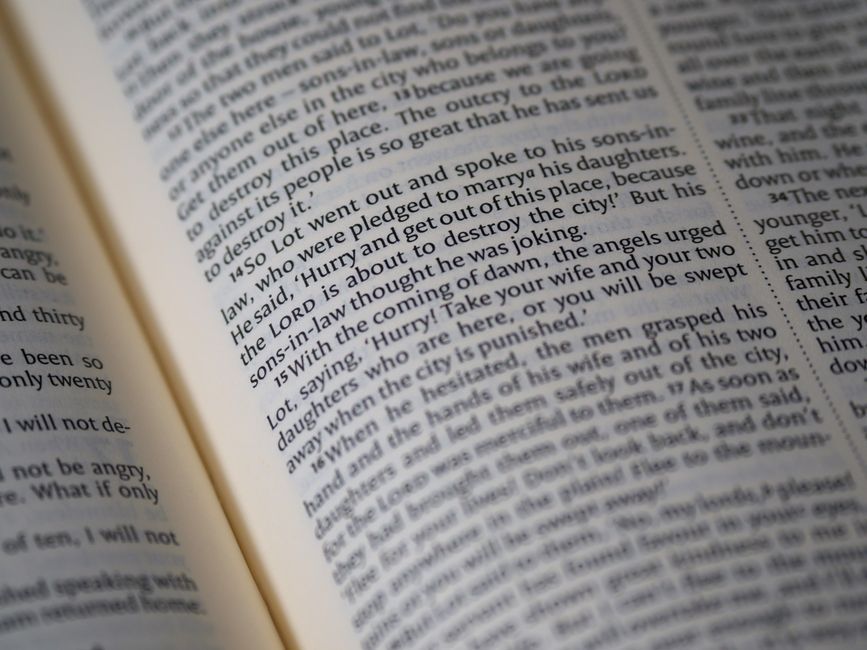
Welcome to this deep dive into one of the most profound and mysterious chapters of the Holy Scriptures. In our study of Revelation 20, we will navigate the complex imagery of the millennium, the final judgment of the adversary, and the glorious hope of the Great White Throne, discovering how these prophetic truths anchor our faith in the sovereignty of God.
Revelation 20 — Historical and Spiritual Context
Revelation 20 was written by the Apostle John around 95–96 AD while he was exiled on the island of Patmos during the reign of Domitian. The early church was facing severe persecution, and this text served as a “theology of victory,” assuring suffering believers that their present trials were temporary and that Christ’s kingdom would ultimately prevail over all worldly empires. You can read Revelation 20 on Bible Gateway to familiarize yourself with the text.
The overarching theological theme of this chapter is the definitive triumph of Jesus Christ over Satan, sin, and death. It matters to the modern believer because it shifts our perspective from the chaos of current events to the certainty of the future, reminding us that history is not a random sequence of accidents but a deliberate unfolding of God’s redemptive plan. By understanding this chapter, we find the courage to persevere, knowing that the final victory is already secured in the finished work of the Lamb.
Verse-by-Verse Commentary on Revelation 20
Revelation 20:2 — Meaning and Explanation
“And he laid hold on the dragon, that old serpent, which is the Devil, and Satan, and bound him a thousand years,”
In this verse, John describes the temporary neutralization of the enemy. The Greek word for “laid hold” is krateo (Strong’s G2902), implying a firm, authoritative arrest. The description of Satan as the “dragon” and “old serpent” harkens back to Genesis 3, identifying him as the same deceiver who has plagued humanity since the Garden of Eden.
The “binding” represents a restriction of power. While Satan remains a formidable foe, this passage reveals that he is on a divine leash. He is not omnipotent; his ability to “deceive the nations” is restricted by the sovereign decree of the Almighty. For the believer, this is a profound comfort: the enemy cannot touch us or influence our world beyond what the Lord permits.

Revelation 20:4 — Meaning and Explanation
“And I saw thrones, and they sat upon them, and judgment was given unto them: and I saw the souls of them that were beheaded for the witness of Jesus, and for the word of God…”
This verse highlights the vindication of the saints. The “thrones” represent the authority delegated to the redeemed who reign with Christ. The Greek term for “witness” is martys (Strong’s G3144), from which we get our English word “martyr.” It signifies one who bears witness even at the cost of their life.
The theological lesson here is the reversal of earthly injustice. Those who were treated as criminals by the world are elevated to positions of judicial authority in the Kingdom. It teaches us that our faithfulness to the Word of God is never in vain; every sacrifice made for the Gospel is recorded in heaven and will be publicly honored in the age to come.
Revelation 20:10 — Meaning and Explanation
“And the devil that deceived them was cast into the lake of fire and brimstone, where the beast and the false prophet are, and shall be tormented day and night for ever and ever.”
This verse marks the final resolution of the conflict between good and evil. The “lake of fire” is the ultimate destination for all that opposes God. The Greek word for “tormented” is basanizo (Strong’s G928), which carries the sense of being tested or tortured, indicating the irreversible nature of this judgment.
Spiritual scholars like Matthew Henry emphasize that this is the “final overthrow” of the powers of darkness. It provides a sobering warning about the reality of judgment, but it also provides a glorious promise: the source of all deception, pain, and temptation will be removed from the universe entirely. The battle is not eternal; only the peace of God is eternal.
Revelation 20:12 — Meaning and Explanation
“And I saw the dead, small and great, stand before God; and the books were opened: and another book was opened, which is the book of life: and the dead were judged out of those things which were written in the books, according to their works.”
The Great White Throne judgment is the culmination of human history. The “books” symbolize the exhaustive record of human deeds, while the “book of life” represents the register of those redeemed by the blood of the Lamb. To “stand” before God implies total accountability, where no secret is hidden and no action goes unnoticed.
Theologically, this verse underscores the necessity of grace. While the works are judged, the ultimate determination of eternal destiny rests on whether one’s name is found in the “book of life.” As you study this on the Blue Letter Bible, you will see that this is the final call to ensure our standing is in Christ, whose righteousness covers our works.

How to Apply Revelation 20 in Your Daily Life
Applying Revelation 20 begins with a shift in your daily perspective. When you face conflict at work or misunderstanding in your family, remember that the “accuser of the brethren” is a defeated foe. Do not let the stresses of the present moment define your reality; instead, act with the confidence of one who is already seated with Christ in the heavenly places. When you feel discouraged, remind yourself that the “books” are being kept by a God who sees your hidden acts of kindness and your secret prayers.
In your spiritual walk, let this chapter fuel your evangelism. Knowing that there is a day of judgment and a “book of life” should compel us to share the Gospel with urgency and love. If you are struggling with a besetting sin, remember that the serpent’s power is limited. You are not a slave to the enemy’s deceptions; you have been purchased by the blood of the Lamb, and your name is written in the book of life. Live today as a citizen of that coming Kingdom.
A Prayer Based on Revelation 20
Guided Scriptural Prayer
Heavenly Father, I thank You that You are the Alpha and the Omega, the beginning and the end of all things. As I reflect on the truths of Revelation 20, I am humbled by Your holiness and comforted by Your final victory over all evil. Please keep my name written in the Book of Life by Your grace and help me to live a life that honors You in all I do. May I be a faithful witness of Jesus, knowing that no sacrifice for the Gospel is ever forgotten by You. I rest in the assurance that You are on the throne and that Your Kingdom shall never end. Amen.
Frequently Asked Questions About Revelation 20
What is the main message of Revelation 20?
The main message of Revelation 20 is the ultimate triumph of God’s justice and the final defeat of Satan. It describes the binding of the adversary, the reign of the saints with Christ, and the final judgment at the Great White Throne (Rev 20:11-15). The chapter serves as a beacon of hope for believers, assuring them that despite the appearance of evil prevailing in the world, God is in complete control of history. It reminds us that every act of rebellion will eventually be judged, and every faithful servant of God will be vindicated in the presence of the Lord.
What does the “thousand years” in Revelation 20 mean?
The “thousand years,” or the Millennium, is one of the most debated topics in theology. It refers to the period mentioned in Revelation 20:2-7 where Satan is bound and Christ reigns. Interpretations vary: Premillennialists view it as a literal future reign on earth; Amillennialists view it as the current spiritual reign of Christ through the church; and Postmillennialists see it as an era of gospel triumph before Christ’s return. Regardless of the specific eschatological view, the core meaning remains the same: Christ’s authority is absolute, and He will eventually manifest His kingdom fully, ending all opposition to His rule.
Who are the people standing before the Great White Throne in Revelation 20?
In Revelation 20:12, the “dead, small and great” standing before the Great White Throne represent all those who have died without the covering of Christ’s righteousness. This scene is the final judgment of the wicked. While believers are judged at the Bema Seat of Christ for rewards (2 Corinthians 5:10), this Great White Throne is for those whose names were not found in the Book of Life. It is a moment of total cosmic accountability where God’s perfect righteousness is displayed, and the final separation between those who rejected God and those who accepted His grace is permanently established.
May the peace of the Lord, which surpasses all understanding, guard your heart and mind as you continue your journey of faith in the light of His eternal truth.