

Welcome to this deep-dive study into the final three letters to the churches of Asia Minor. In Revelation 3, we encounter the chilling warnings to Sardis, Philadelphia, and Laodicea, revealing the heart of Christ for His people and the urgent necessity of spiritual vitality.
Revelation 3 — Historical and Spiritual Context
Revelation 3 concludes the series of seven letters dictated by the glorified Christ to the Apostle John while in exile on the island of Patmos around 95-96 AD. These messages were addressed to specific urban centers in Roman Asia, where the church faced the dual pressures of pagan cultural assimilation and the encroaching demands of Imperial cult worship. You can read Revelation 3 on Bible Gateway to ground yourself in the original text as we explore its historical depth.
Theologically, this chapter functions as a mirror for the contemporary believer, illustrating the dangers of spiritual complacency, the beauty of patient endurance, and the peril of lukewarm compromise. Whether it is the “dead” reputation of Sardis or the self-deceiving wealth of Laodicea, Christ uses these historical snapshots to call the modern church back to a radical, living, and intimate relationship with Himself. It is a sobering reminder that Christ is not merely an observer of our religious activities, but the One who walks among the lampstands, searching the hearts and reins of every congregation.
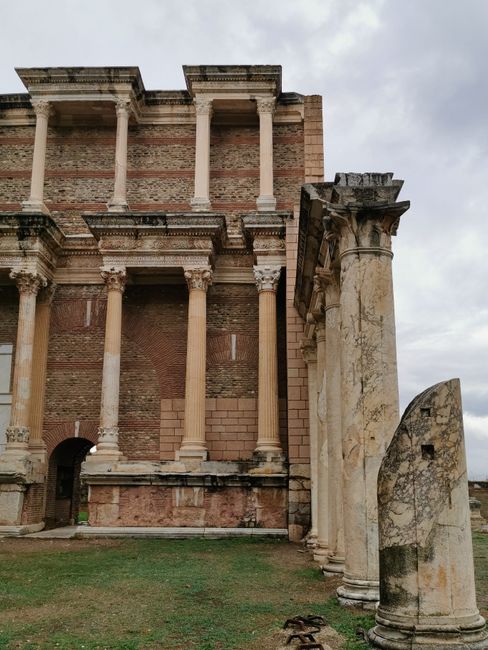
Verse-by-Verse Commentary on Revelation 3
Revelation 3:1 — Meaning and Explanation
“And unto the angel of the church in Sardis write; These things saith he that hath the seven Spirits of God, and the seven stars; He that hath a reputation that thou livest, and art dead.”
The city of Sardis was once the capital of the Lydian Empire, known for its wealth and its impregnable acropolis; however, by John’s time, it had become a place of moral decay. Christ identifies Himself as having the “seven Spirits of God,” a reference to the fullness of the Holy Spirit (Isaiah 11:2), emphasizing that while the church in Sardis may have looked alive to the world, they lacked the actual, animating power of the Spirit. The Greek word for “dead” here is nekros (Strong’s G3498), denoting a corpse that is devoid of life.
The spiritual lesson is a stinging rebuke against nominal Christianity. A congregation can maintain a vibrant social calendar, excellent music, and a polished reputation, yet be spiritually deceased if they have lost their connection to the Head of the Church. Christ is calling them to look past their public image and realize that He, who holds the “seven stars” (the messengers of the churches), sees the reality beneath the surface.
Revelation 3:8 — Meaning and Explanation
“I know thy works: behold, I have set before thee an open door, and no man can shut it: for thou hast a little strength, and hast kept my word, and hast not denied my name.”
Philadelphia was a city established to spread Greek culture, but here, Christ uses it as a model of faithful endurance. The “open door” represents an opportunity for gospel witness that no human power can close, because the authority rests with Christ. The Greek word for “strength” here is dunamis (Strong’s G1411), which often refers to miraculous or inherent power. Even with “little” resources, the Philadelphians were faithful.
This verse serves as a profound encouragement to the believer who feels small or insignificant in their ministry. Christ does not demand worldly influence; He demands faithfulness. When we keep His Word and refuse to compromise the Gospel, He provides doors of influence that are beyond our natural ability to open. It is a reminder that the Lord values our integrity more than our impact.

Revelation 3:15 — Meaning and Explanation
“I know thy works, that thou art neither cold nor hot: I would thou wert cold or hot.”
Laodicea was a city of extreme wealth, famous for its banking, medical school, and textile industry. Its water supply, however, was piped in from nearby springs, arriving lukewarm and filled with sediment. Christ uses this local reality to describe their spiritual state: they were “lukewarm” (Greek: chliaros, Strong’s G5513). To be lukewarm is to be nauseatingly comfortable, indifferent to the cost of discipleship, and self-sufficient.
The tragedy of the Laodicean church is that they felt they had “need of nothing” (v. 17). Spiritual indifference is often the byproduct of material prosperity. Christ would rather have them “cold”—perhaps an honest atheist or a seeker—than to have the tepid, half-hearted profession of faith that characterizes the Laodicean church. He calls for a repentance that moves us from self-reliance to a total dependence on His grace.
Revelation 3:20 — Meaning and Explanation
“Behold, I stand at the door, and knock: if any man hear my voice, and open the door, I will come in to him, and will sup with him, and he with me.”
This iconic verse is often applied to evangelism, but in its original context, it is addressed to the church. The Lord of the Church has been pushed outside the fellowship of His own people due to their pride and apathy. The word “sup” (Greek: deipneo, Strong’s G1172) refers to the evening meal, a time of intimate fellowship and extended conversation.
The spiritual lesson is that Christ is always seeking to restore communion with His people. If we feel a lack of His presence in our lives or our churches, it is likely because we have shut the door on His convicting voice. He does not force His way in; He waits for the individual to hear and respond. It is a beautiful invitation to personal revival, promising that if we open our hearts to Him, He will restore our intimacy.

How to Apply Revelation 3 in Your Daily Life
To apply Revelation 3 in your daily life, start by conducting a “spiritual audit” of your family and professional habits. Are you relying on your reputation for being a “good Christian” while your private prayer life is dead, like the church in Sardis? In your workplace, resist the urge to compromise your ethics for success. True success is found in the “open door” Christ sets before you when you remain faithful to His Word, even when your “strength” feels small.
In your family life, guard against the Laodicean trap of complacency. When life is comfortable and the bank account is full, it is easy to stop needing God. Actively practice dependence by praying together about the small things, acknowledging that your daily bread comes from His hand. If you feel that “lukewarm” distance in your walk with Christ, remember the promise of Revelation 3:20—He is knocking. Take the time today to stop, listen for His voice, and invite Him back into the center of your daily decision-making.
A Prayer Based on Revelation 3
Guided Scriptural Prayer
Lord Jesus, You who hold the seven stars and search the depths of my heart, I invite You to remove any lukewarmness from my life. Forgive me for the times I have relied on my own resources and ignored Your gentle knocking at the door of my heart. Like the church in Philadelphia, may I be found faithful in keeping Your Word, even when my strength feels small. I open the door to You today, Lord; come in and dine with me, and let my life be a reflection of Your living Spirit. May I never trade the vitality of a relationship with You for the hollow reputation of this world. Amen.
Frequently Asked Questions About Revelation 3
What is the main message of Revelation 3?
The main message of Revelation 3 is a call to spiritual vigilance and authentic discipleship. Through the letters to Sardis, Philadelphia, and Laodicea, Christ warns against the dangers of hypocrisy, apathy, and pride. He demonstrates that He is the ultimate judge of the church, measuring congregations not by their worldly success or reputation, but by their faithfulness to His Word (v. 8) and their active, intimate relationship with Him (v. 20). It is a message of urgent correction designed to bring the believer back to a state of living, breathing faith.
What does it mean that the church in Laodicea was “lukewarm”?
In Revelation 3:15-16, being “lukewarm” signifies a state of spiritual compromise and self-sufficiency. Because Laodicea was a wealthy city, the church there felt they had “need of nothing” (v. 17). Their lukewarm state meant they were not overtly hostile to Christ (cold), but they were not on fire for His mission either (hot). They were caught in a middle ground of religious appearance without the power of the Gospel. Christ declares this state “nauseating,” emphasizing that spiritual indifference is a dangerous barrier to true fellowship with God.
Why does Jesus say He stands at the door and knocks in Revelation 3:20?
While often used in evangelistic altar calls, Revelation 3:20 is historically addressed to a church that had effectively pushed Christ out of their fellowship through their pride and materialism. The image of Jesus standing at the door and knocking serves as a powerful metaphor for His persistent grace. Even when a church or an individual has become so self-absorbed that they have excluded the Lord from their activities, He remains waiting, desiring to restore intimate communion with them. It is a divine invitation to personal repentance and the restoration of a vital, daily relationship with the Savior.
May the grace of our Lord Jesus Christ, the love of God, and the fellowship of the Holy Spirit sustain you as you walk in the light of His Word.