
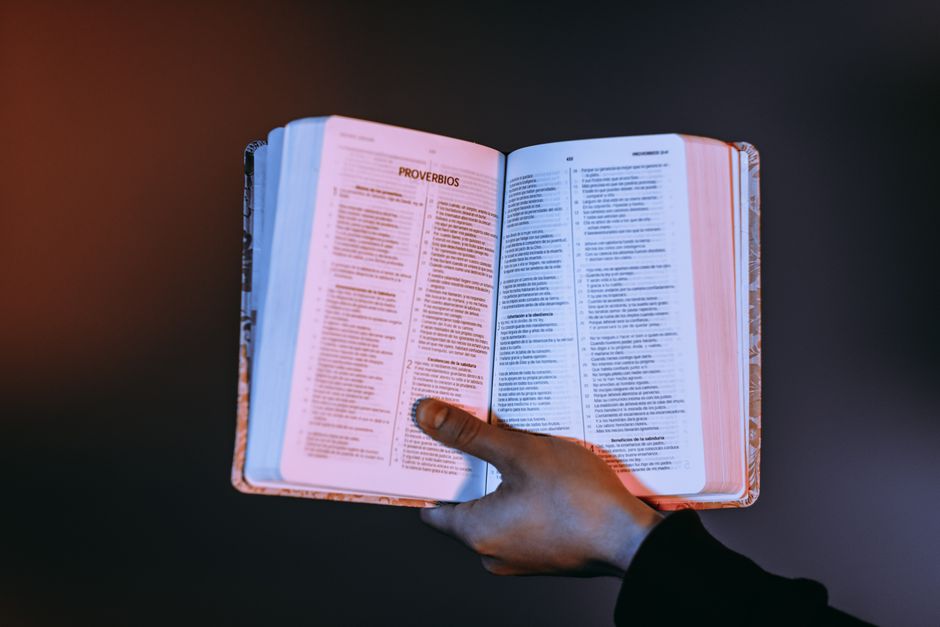
Welcome to this deep dive into the ninth chapter of Proverbs, a pivotal text that serves as the grand conclusion to the introductory section of Solomon’s wisdom literature. Together, we will explore the dramatic contrast between the invitation of Lady Wisdom and the seductive call of the foolish woman, uncovering eternal truths that guide our decision-making and spiritual formation today.
Proverbs 9 — Historical and Spiritual Context
Proverbs 9 serves as the culmination of the “Prologue to Wisdom,” likely compiled by Solomon around 950 B.C. for the instruction of his son and the youth of Israel. It marks the final transition from the introductory discourses into the actual collection of proverbs, setting the stage for a life governed by the fear of the Lord rather than the impulses of the flesh. You can read Proverbs 9 on Bible Gateway to ground yourself in the text before our study.
Theologically, Proverbs 9 presents a high-stakes cosmic invitation, framing wisdom and folly as two distinct “houses” competing for the soul of humanity. For the modern believer, this chapter is essential because it reminds us that neutrality is an illusion; every day, we are either consuming the feast of God’s truth or the stolen waters of deception. It challenges us to examine the “table” at which we sit, urging us to choose the way of life through the fear of the Lord.

Verse-by-Verse Commentary on Proverbs 9
Proverbs 9:1 — Meaning and Explanation
**”Wisdom hath builded her house, she hath hewn out her seven pillars:”**
The imagery of Wisdom building her house signifies that divine wisdom is not a chaotic philosophy but a structured, intentional dwelling place for the soul. The Hebrew word for wisdom, *chokmah* (Strong’s H2451), refers to skill in living. The “seven pillars” likely represent completeness or perfection, suggesting that God’s wisdom provides a foundation that is unshakable and fully sufficient for the complexities of life.
Historically, this is a masterful contrast to the flimsy, temporary nature of the foolish woman’s allure. While the world offers quick thrills, Wisdom offers a “house”—a permanent, secure reality. For the believer, this is a reminder that when we build our lives upon the Word of God, we are inhabiting a structure designed by the Architect of the universe, capable of withstanding any storm.
Proverbs 9:6 — Meaning and Explanation
**”Forsake the foolish, and live; and go in the way of understanding.”**
This verse provides a clear, actionable command: to live, one must actively abandon the company and patterns of the foolish. The word “forsake,” *azab* (Strong’s H5800), implies a complete departure—a total severing of ties with the paths that lead to spiritual death. It is not enough to simply know better; one must physically and mentally change direction.
The spiritual lesson here is that our associations dictate our direction. If we constantly listen to the counsel of those who do not fear the Lord, we will inevitably adopt their values. “Going in the way of understanding” is a call to active discipleship, where the believer chooses to align their steps with the rhythm of God’s kingdom rather than the frantic pace of a godless culture.

Proverbs 9:10 — Meaning and Explanation
**”The fear of the Lord is the beginning of wisdom: and the knowledge of the holy is understanding.”**
This is the golden key to the entire book of Proverbs. The “fear of the Lord,” or *yirah* (Strong’s H3374), is not a paralyzing terror, but a profound, reverential awe that recognizes God’s holiness and sovereignty. It is the starting point, the “beginning” (*reshith*), without which all other human knowledge is merely information, not wisdom.
In the original Hebrew context, “knowledge of the holy” refers to a relational, intimate acquaintance with the character of God. It is impossible to be wise while remaining a stranger to the Holy One. When we cultivate this awe-filled intimacy, our understanding becomes sharpened, allowing us to discern between the deceptive invitations of the world and the true feast of the Gospel.
Proverbs 9:17 — Meaning and Explanation
**”Stolen waters are sweet, and bread eaten in secret is pleasant.”**
This verse captures the seductive, deceptive nature of sin. It describes the “foolish woman” (often a personification of temptation) who promises that what is forbidden is more satisfying than what is holy. The Hebrew word for “stolen,” *ganab* (Strong’s H1589), suggests that the temptation is always to acquire something illicitly, bypassing God’s boundaries to satisfy the flesh.
The tragedy highlighted here is that sin’s “sweetness” is a transient, hollow illusion. It promises satisfaction but delivers only a bitter aftermath. As we study this, we are warned that our appetites are easily deceived; we must recognize that the “pleasantness” of secret sin is a trap designed to lead us away from the life-giving table of God’s wisdom.
How to Apply Proverbs 9 in Your Daily Life
Applying Proverbs 9 requires a daily audit of your “table”—the influences, media, and friendships you allow to nourish your soul. In your family, this means intentionally creating a home environment where the fear of the Lord is discussed openly, rather than leaving your children to feast on the “stolen waters” of social media trends and worldly ideologies.
At work, apply this by choosing integrity over “shortcuts” that promise quick success but compromise your witness. When you feel the pull toward a dishonest gain or a bitter relationship, remember that the “foolish woman” is calling out from every corner of the marketplace. Instead, turn your heart toward the “house” of Wisdom by starting your day in the Word, ensuring that your first meal of the day is the bread of life, not the empty calories of the world.

A Prayer Based on Proverbs 9
Guided Scriptural Prayer
Heavenly Father, I come before You today acknowledging that You are the source of all true wisdom and understanding. I choose to turn away from the empty, seductive calls of this world and instead sit at Your table, feasting on Your Holy Word. As Proverbs 9:10 teaches, I ask that You deepen my fear and reverence for You, that it may be the foundation for every decision I make. Help me to forsake the paths of the foolish and walk firmly in the way of understanding. May my life be a house built upon the pillars of Your truth, reflecting Your light to all I encounter. In the name of Jesus Christ, I pray, Amen.
Frequently Asked Questions About Proverbs 9
What is the main message of Proverbs 9?
The main message of Proverbs 9 is the necessity of making a decisive choice between two competing influences: the way of Wisdom and the way of Folly. Through the personification of “Lady Wisdom” and the “foolish woman,” the chapter illustrates that we are constantly being invited to a “feast.” Wisdom invites us to a permanent, life-giving house built on the fear of the Lord (Proverbs 9:1-6), while Folly offers a deceptive, temporary pleasure that leads to destruction (Proverbs 9:13-18). It serves as a final call to the reader to reject the allure of sin and commit fully to a life of godly discernment.
Who wrote Proverbs and why?
Most of the book of Proverbs, including chapter 9, is attributed to King Solomon, the son of David. Solomon wrote these proverbs under the inspiration of the Holy Spirit to impart divine wisdom to his son and the people of Israel. The purpose was to provide a practical manual for “getting wisdom” and “getting understanding” (Proverbs 9:10). By documenting these truths, Solomon aimed to prepare the next generation to navigate life’s moral complexities, ensuring they would avoid the pitfalls of the wicked and remain grounded in the covenantal fear of the Lord. For further study on authorship, you can visit Blue Letter Bible.
What does “stolen waters are sweet” mean in Proverbs 9:17?
This phrase describes the deceptive nature of temptation. “Stolen waters” represent illicit gratifications—things that are forbidden by God’s law but are presented by the world as more exciting or satisfying than what is lawful. The “sweetness” refers to the initial, temporary rush of satisfying a sinful desire. However, the context of the chapter warns that this sweetness is a lie; it is a lure designed to distract the person from the reality that these “waters” lead directly to the “depths of hell” (Proverbs 9:18). It serves as a timeless warning that the pleasure of sin is fleeting and ultimately destructive.
May the wisdom of the Lord dwell in you richly as you apply these truths to your walk of faith today.