
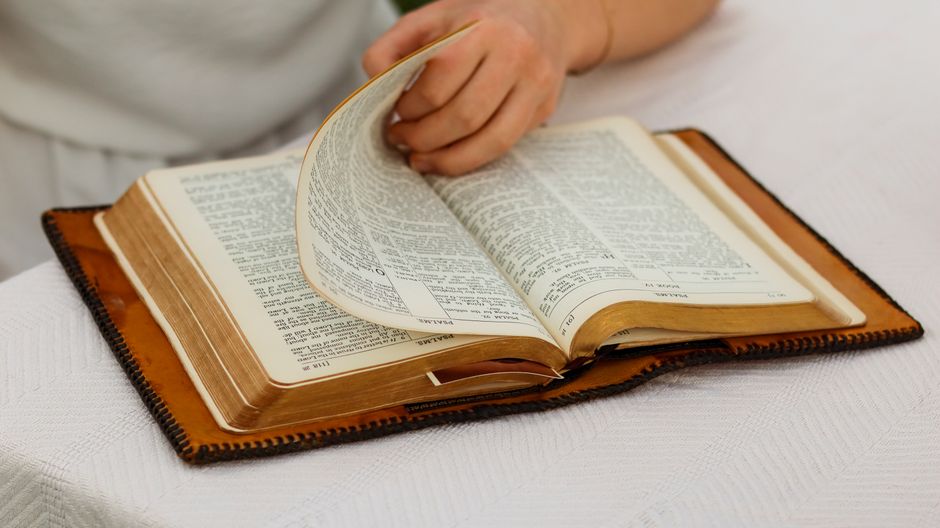
Welcome to this deep-dive study into Isaiah 54, a chapter of profound comfort and prophetic restoration. Together, we will explore the themes of God’s unfailing covenant love, the expansion of His kingdom, and the security found in His promises for the faithful.
Isaiah 54 — Historical and Spiritual Context
Isaiah 54 is set against the backdrop of the post-exilic hope for Israel, written by the prophet Isaiah to a people who would eventually face the desolation of Babylon but were promised a future return. It serves as a bridge between the Suffering Servant of Isaiah 53 and the invitation to grace in Isaiah 55, shifting the focus from the sorrow of the cross to the glory of the resurrection and the expansion of the church. You can read Isaiah 54 on Bible Gateway to ground your heart in the text before we begin our analysis.
Theologically, this chapter is a masterpiece of covenantal security, portraying God not merely as a Judge, but as a Husband (Isaiah 54:5) who is deeply committed to His people. For the modern believer, it matters because it speaks to seasons of barrenness, shame, and feeling forsaken, reminding us that our identity is rooted in the “everlasting kindness” of the Lord rather than our own performance or current circumstances.
Verse-by-Verse Commentary on Isaiah 54
Isaiah 54:1 — Meaning and Explanation
“Sing, O barren, thou that didst not bear; break forth into singing, and cry aloud, thou that didst not travail with child: for more are the children of the desolate than the children of the married wife, saith the Lord.”
In this verse, the “barren” refers to Zion, who, during the Babylonian exile, appeared to have lost her promise of posterity. The Hebrew word for barren, aqar (Strong’s H6135), implies one who is cut off or unproductive. God commands her to sing, not because her circumstances have changed yet, but because His word is more certain than her physical reality.
This is a prophetic reversal of expectations. The “married wife” represents the proud, self-sufficient nations or the legalistic adherence to the law, while the “desolate” represents the humble remnant who trust solely in God’s grace. Spiritually, this teaches us that God’s power is perfected in our weakness; what appears to be a dead end in our lives is often the very soil where God intends to perform a miracle of multiplication.

Isaiah 54:5 — Meaning and Explanation
“For thy Maker is thine husband; the Lord of hosts is his name; and thy Redeemer the Holy One of Israel; The God of the whole earth shall he be called.”
This verse provides the theological foundation for the entire chapter, asserting that the relationship between God and His people is one of intimate, covenantal union. The term “Maker” (Hebrew: asah, Strong’s H6213) reminds us that He who fashioned us knows our design and our needs intimately. By identifying as “Husband,” God moves from the role of a distant Sovereign to a personal Partner.
The inclusion of “Redeemer” (goel, Strong’s H1350) signifies the Kinsman-Redeemer, one who buys back what was lost. As Matthew Henry notes, this is the ultimate comfort for the believer: the Creator of the universe is not just our Lord, but our closest relative, legally and lovingly bound to protect and provide for us.
Isaiah 54:10 — Meaning and Explanation
“For the mountains shall depart, and the hills be removed; but my kindness shall not depart from thee, neither shall the covenant of my peace be removed, saith the Lord that hath mercy on thee.”
This verse offers a dramatic contrast between the stability of the natural world and the immutability of God’s character. The “kindness” mentioned here is the Hebrew word chesed (Strong’s H2617), which refers to God’s loyal, covenant-keeping love. Even if the most permanent features of the earth—the mountains—were to collapse, God’s commitment to His people remains unshakable.
For the believer, this is the bedrock of our assurance. We live in an unstable world where jobs, health, and relationships fluctuate, but this verse promises that our standing before God is not based on our stability, but on His mercy. The “covenant of peace” points forward to the shalom established by Jesus Christ, ensuring that our reconciliation with the Father is permanent and eternal.
Isaiah 54:17 — Meaning and Explanation
“No weapon that is formed against thee shall prosper; and every tongue that shall rise against thee in judgment thou shalt condemn. This is the heritage of the servants of the Lord, and their righteousness is of me, saith the Lord.”
This verse is the climax of the chapter’s promise of protection. The “weapon” (Hebrew: kliy, Strong’s H3627) encompasses every tool of attack—spiritual, emotional, or physical. The promise is not that weapons will never be formed, but that they will never “prosper” (succeed in their ultimate purpose of destroying God’s servant).
The crucial insight here is the final clause: “their righteousness is of me.” We do not stand protected because we are flawless; we stand protected because our righteousness is a gift from God. When the enemy tries to bring a charge against us, we point to the finished work of the Cross. Our security is not in our own defensive walls, but in the fact that we are the Lord’s inheritance and He is our defender.
How to Apply Isaiah 54 in Your Daily Life
Applying Isaiah 54 begins by shifting your perspective from “barrenness” to “expectation.” If you are currently facing a season where your efforts seem to yield no fruit—perhaps in a difficult marriage, a stagnant career, or a ministry that feels unnoticed—take hold of verse 1. Stop mourning the lack and begin to prepare for the expansion God promised. Actively pray for your “tent pegs” to be lengthened, meaning, broaden your vision for what God can do in your life despite your current limitations.
In your spiritual walk, practice the discipline of dwelling on God’s chesed (covenant love) rather than your anxieties. When you feel the weight of judgment from others or from your own conscience, quote verse 17 as a shield. Remind yourself daily: “My righteousness is not earned; it is provided by the Lord.” This truth will free you from the paralyzing need to perform for God’s favor and allow you to live with the bold confidence of someone who is deeply loved by their Maker.
A Prayer Based on Isaiah 54
Guided Scriptural Prayer
Heavenly Father, I thank You that You are my Maker and my Husband, the One who redeems me from all my shame. Lord, when I feel barren or forsaken, help me to remember that Your kindness shall never depart from me, even if the mountains of my life are shaken. I claim the promise of Isaiah 54:17, knowing that no weapon formed against me can prosper because my righteousness comes from You alone. Grant me the grace to enlarge my tent and trust in Your expansive plan for my future. May I live in the peace of Your covenant, resting securely in Your unfailing love. Amen.
Frequently Asked Questions About Isaiah 54
What is the main message of Isaiah 54?
The main message of Isaiah 54 is the restoration and expansion of God’s people through His covenant of peace. It serves as a message of comfort to the “desolate” or those who feel rejected, promising that God’s love is more permanent than the physical creation. By using the imagery of a marriage, the chapter assures the reader that God is intimately involved in their restoration and protection, turning past shame into future fruitfulness.
Who is the “barren woman” in Isaiah 54:1?
Historically, the “barren woman” refers to Jerusalem/Zion, who was left empty and childless during the Babylonian captivity. Prophetically, it represents the church and the inclusion of the Gentiles, as referenced in Galatians 4:27. The passage suggests that through God’s grace, the once-unproductive people of God will experience a spiritual multiplication that far exceeds the reach of their previous, human-driven efforts.
How do I claim the promise in Isaiah 54:17?
To claim this promise, one must recognize that the protection described is the “heritage of the servants of the Lord.” This implies a life of submission and trust in Him. You claim it by acknowledging that your righteousness—your right standing with God—is not based on your own deeds but on the finished work of Christ. When spiritual or emotional attacks arise, you stand firm in the truth that you are legally and spiritually protected by the One who calls you His own.
May the peace of the Lord, which surpasses all understanding, guard your heart and mind as you meditate on these beautiful promises.