
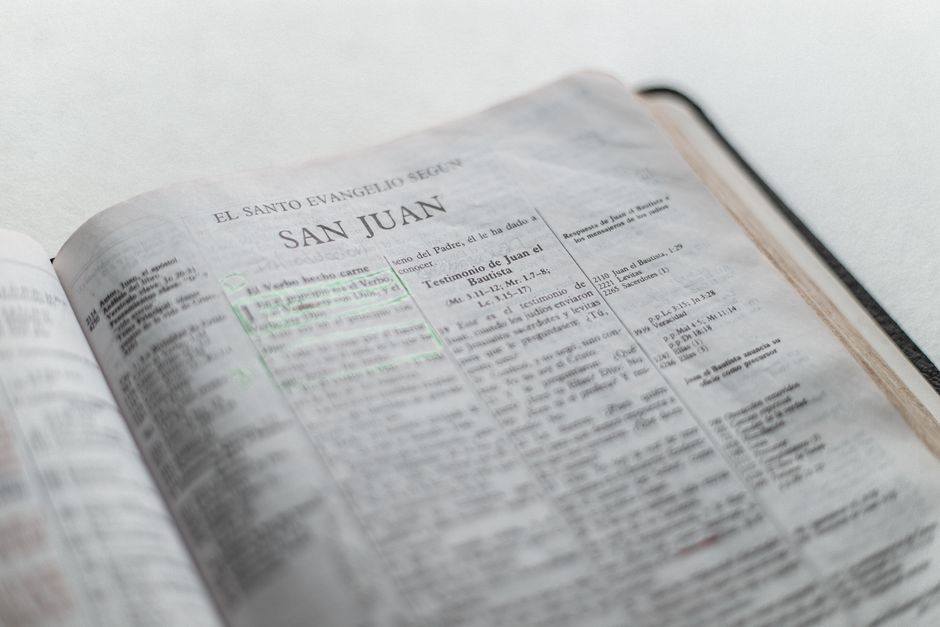
Welcome to this deep dive into the Gospel of John, chapter 5. In this study, we will explore the profound intersection of divine authority, the necessity of faith, and the life-giving nature of Jesus Christ, examining how His miraculous works and testimony reveal His true identity as the Son of God.
John 5 — Historical and Spiritual Context
John 5 was written by the Apostle John toward the end of the first century, likely from Ephesus, to provide a deeper theological understanding of Jesus’ divinity to both Jewish and Gentile believers. Set in Jerusalem during an unnamed feast, the narrative captures a critical turning point where Jesus’ ministry moves from healing to open confrontation with the religious establishment. You can read John 5 on Bible Gateway to familiarize yourself with the text.
The overarching theological theme of this chapter is the absolute authority of the Son, who acts in perfect unity with the Father. For the modern believer, John 5 serves as a vital reminder that true spiritual life is not found in religious ritual or legalistic observation, but in a living, vital connection to Jesus Christ, who possesses the power to quicken the dead and judge the world.

Verse-by-Verse Commentary on John 5
John 5:8 — Meaning and Explanation
“Jesus saith unto him, Rise, take up thy bed, and walk.”
This command represents the intersection of divine grace and human responsibility. Jesus approaches a man who had been infirm for thirty-eight years—a man who had essentially given up hope in the superstition of the pool’s troubled waters. By bypassing the superstitious ritual, Jesus asserts His own authority as the source of healing, proving that He is not bound by the traditions of men.
The Greek word used for “Rise” is egeiro (Strong’s G1453), which is the same verb used for the resurrection of Christ. It implies an awakening or a raising up from a dormant state. Matthew Henry notes that Jesus requires the man to do what he had been unable to do for decades, illustrating that when Christ gives a command, He provides the enabling power to fulfill it. The lesson for us is clear: when Jesus speaks into our paralysis, we must be prepared to act in faith immediately.

John 5:17 — Meaning and Explanation
“But Jesus answered them, My Father worketh hitherto, and I work.”
In this verse, Jesus defends His healing on the Sabbath by declaring His divine nature. The Jewish leaders believed the Sabbath was a day of total inactivity, but Jesus reveals that God the Father has been working continuously to sustain the universe and provide grace. By claiming this same prerogative, Jesus identifies Himself as equal with God, a claim the Pharisees understood perfectly.
The Greek term for “worketh” is ergazomai (Strong’s G2038), signifying constant, purposeful labor. This is not the labor of a servant, but the sovereign activity of the Creator. This verse shatters the legalistic view of the Sabbath. It teaches us that God’s work of redemption and mercy never rests, and as followers of Christ, our spiritual life should be characterized by a partnership with His ongoing work in the world.
John 5:24 — Meaning and Explanation
“Verily, verily, I say unto you, He that heareth my word, and believeth on him that sent me, hath everlasting life, and shall not come into condemnation; but is passed from death unto life.”
This verse serves as the heartbeat of the Gospel, presenting the mechanism of salvation. It is a transition from death to life that occurs the moment one exercises faith. The phrase “Verily, verily” (Greek: amen, amen) serves as a solemn divine certification of the truth that follows, emphasizing that the believer’s security rests entirely on the authority of Jesus’ words.
The word “condemnation” is krisis (Strong’s G2920), which refers to a judgment or a trial. Jesus promises that those who trust Him have already bypassed the courtroom of divine judgment because He has already stood in their place. This is the doctrine of justification by faith, providing the believer with an unshakable assurance that their eternal destiny is secured not by their own works, but by the finished work of the Savior.

John 5:39 — Meaning and Explanation
“Search the scriptures; for in them ye think ye have eternal life: and they are they which testify of me.”
Jesus here addresses the religious leaders who studied the scrolls with obsessive detail yet missed the very Person the scrolls were written to reveal. The word “search” (Greek: ereunao, Strong’s G2045) implies a thorough, investigative examination—like a miner searching for gold. The tragedy of the Pharisees was that they treated the Bible as a textbook for rules rather than a map leading to a Person.
The spiritual lesson is profound: the Bible is not merely a collection of moral codes or historical facts; it is a unified testimony of Jesus Christ. If our study of Scripture does not lead us to a deeper love, reliance, and imitation of Jesus, we have missed its primary purpose. We must approach the Word of God not to build our own self-righteousness, but to encounter the living Savior who transforms our hearts.
How to Apply John 5 in Your Daily Life
Applying John 5 in your daily walk begins with recognizing that your “healing” or spiritual breakthrough often comes in ways you do not expect. Perhaps you have been waiting at the “pool” of your own efforts—trying to fix a broken family relationship or a persistent character flaw through sheer willpower. Jesus’ interaction with the man at Bethesda reminds us to stop relying on our own rituals and instead listen for His voice. When He says “rise,” He is asking you to abandon your excuses and act in the strength He provides.
In the workplace, apply the lesson of John 5:17 by viewing your daily tasks as part of God’s ongoing work in the world. Rather than compartmentalizing your life into “secular” and “sacred,” realize that the Father is working through you. When you work with integrity, honesty, and excellence, you are participating in the divine activity that sustains and blesses those around you. Let your life be a testament to His grace, proving that you are one who has “passed from death unto life” by the way you treat your colleagues and handle challenges.
A Prayer Based on John 5
Guided Scriptural Prayer
Lord Jesus, I thank You that You are the Lord of my life, the One who speaks and brings life to my dead places. As You told the man at the pool to rise, I ask that You would awaken my soul to Your presence today, helping me to cast aside my excuses and walk in the freedom You have purchased for me. I believe that because of You, I have passed from death unto life and need not fear condemnation. Help me to search the Scriptures not as a formal duty, but as a way to know You more intimately and follow You more closely. May my life be a reflection of Your Father’s work, lived in the power of Your Spirit. Amen.
Frequently Asked Questions About John 5
What is the main message of John 5?
The main message of John 5 is the revelation of Jesus’ divine authority as the Son of God. Through the healing of the man at the pool of Bethesda and the subsequent discourse, Jesus demonstrates that He shares the Father’s power to give life and to judge. The chapter serves as a challenge to the religious leaders of His day—and to us today—to stop looking for life in human traditions or legalism and to find it exclusively in Him. By claiming equality with God, Jesus establishes that He is the fulfillment of all Old Testament prophecy and the only source of eternal life.
Who wrote John and why?
The Gospel of John was written by the Apostle John, one of the twelve disciples, often referred to as the “disciple whom Jesus loved.” John wrote this Gospel with a specific purpose, stated in John 20:31: that readers might believe that Jesus is the Christ, the Son of God, and that by believing, they might have life through His name. In chapter 5, John emphasizes this by recording Jesus’ own testimony and the witness of the Father, providing a legal and spiritual framework to prove Jesus’ divinity to a world that was often hostile to His claims.
What does verse 39 mean in John 5?
In John 5:39, Jesus tells the Jewish leaders to “search the scriptures” because they contain the testimony of Him. The religious leaders of the time were experts in the letter of the Law, yet their hearts were far from God. Jesus explains that their study was misdirected; they viewed the Scriptures as a means to earn salvation through rule-following, rather than as a prophetic witness pointing toward the coming Messiah. The verse is a warning to modern believers that it is possible to be highly knowledgeable about the Bible while missing the central purpose of the text: a transformative, saving relationship with Jesus Christ.
May the truths found in this chapter encourage you to walk daily in the light and life of Jesus Christ, who is the same yesterday, today, and forever.