
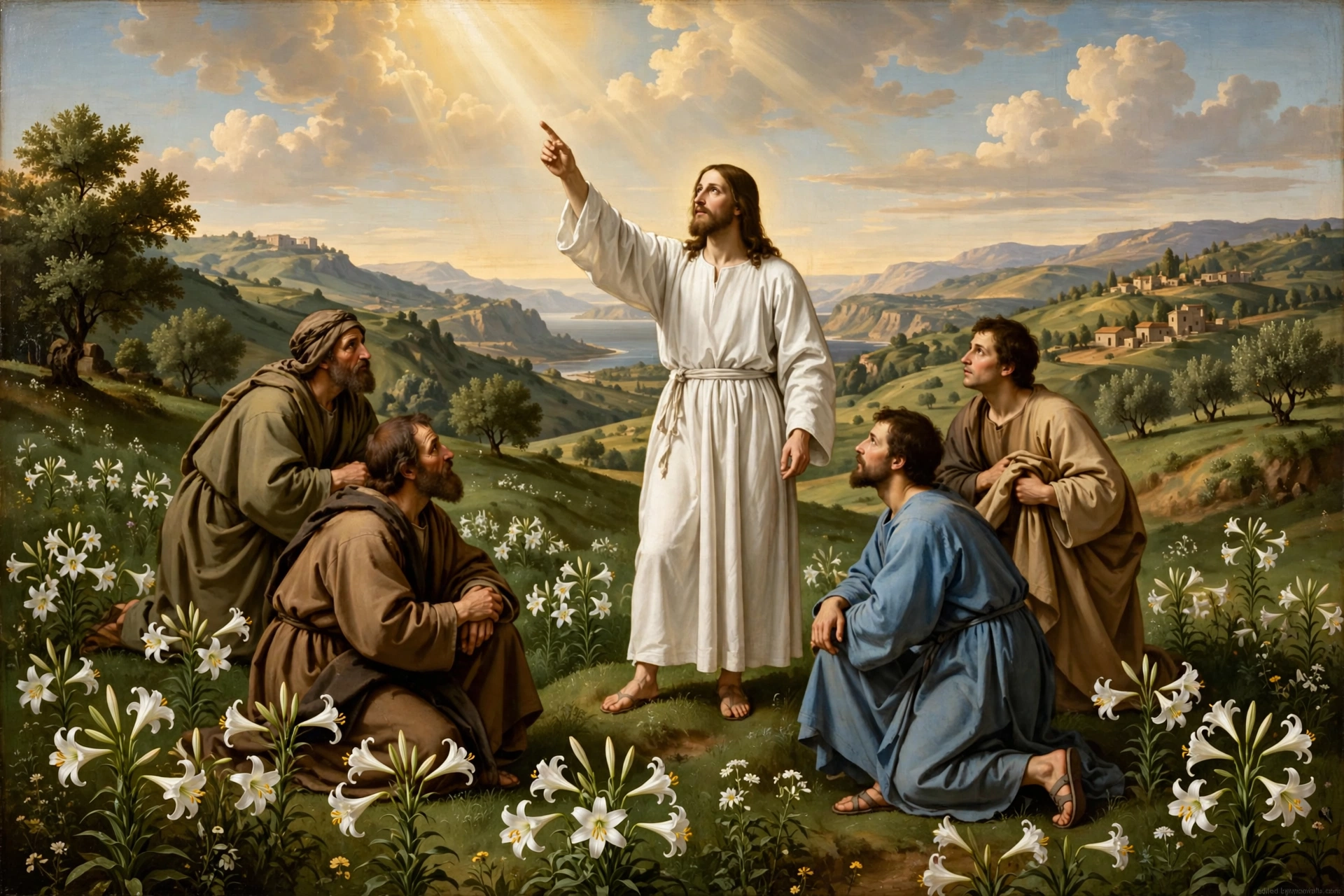
Matthew 6 – Historical and Spiritual Context
Matthew 6 sits at the very heart of the Sermon on the Mount, representing the pivot point where Jesus transitions from the theory of righteous living to the internal posture of the heart. During this era, the religious landscape was dominated by Pharisaic legalism, where piety was often a public performance designed to garner human approval. Jesus addresses this by stripping away the veneer of outward observance, insisting that true righteousness is hidden from the eyes of men and known only to the Father who sees in secret. By dismantling the performative nature of religion, Jesus invites his disciples into a radical, authentic intimacy with God that transcends cultural expectations and religious rituals.
The overarching spiritual theme of this chapter is the realignment of the human heart toward the Kingdom of God. Jesus meticulously exposes the idols that compete for our devotion—the craving for applause, the obsession with material wealth, and the paralyzing grip of anxiety. He argues that these are not merely lifestyle choices but symptoms of a misplaced center. By teaching us to pray, to store up treasures in heaven, and to trust in the providence of the Father, Jesus is calling us to a life of singular focus. The chapter serves as a divine invitation to trade the frantic, fractured pursuit of self-preservation for the peaceful, sustained pursuit of God’s rule and reign.
Detailed Verse-by-Verse Commentary
Study of Matthew 6:9
“Pray then like this: ‘Our Father in heaven, hallowed be your name.'”
The Lord’s Prayer is not a mantra to be recited mindlessly, but a blueprint for the soul’s orientation. By beginning with “Our Father,” Jesus revolutionizes the Jewish concept of God from a distant, fearsome deity to an intimate, relational Parent. The Greek word for “Father” here is Abba, carrying the weight of familial closeness. To “hallow” God’s name is to treat his character, his reputation, and his presence as uniquely set apart and holy. In a world that treats the sacred as common, this opening petition acts as a spiritual reset, reminding the believer that before we bring our laundry list of needs to God, we must first acknowledge the majesty and fatherhood of the One to whom we are speaking.
Study of Matthew 6:21
“For where your treasure is, there your heart will be also.”
Jesus flips the common logic of human behavior on its head. We often think our hearts determine our treasures (we put our money where we have an emotional attachment), but Jesus argues the reverse: our treasures determine the trajectory of our hearts. The Greek word for “treasure” (thesauros) refers to a storehouse or a repository of value. If we invest our time, energy, and resources into temporal, earthly pursuits, our hearts will inevitably become tethered to the shifting sands of this world. To secure the heart, we must intentionally deposit our “treasure”—our deepest commitments and resources—into the work of the Kingdom, which acts as an anchor for the soul in eternity.
Study of Matthew 6:33
“But seek first the kingdom of God and his righteousness, and all these things will be added to you.”
This is the definitive command of the chapter. To “seek first” (zēteite) implies a continuous, habitual, and primary effort. It is an active striving that takes precedence over the basic necessities of life. The “Kingdom of God” refers to the sphere where God’s will is done, and his “righteousness” refers to the character he imparts to those who follow him. The promise here is not that we will be wealthy, but that the Father, who knows our needs, will provide the sustenance required for our mission. When the Kingdom becomes our primary occupation, the anxieties regarding our daily survival are demoted from masters to minor concerns, governed by the sovereign care of a loving Father.
Practical Application for Your Daily Life
Applying Matthew 6 in the modern context begins with the deliberate cultivation of a “secret” life. In an age of social media and constant performance, we are tempted to curate our spirituality for public consumption. To combat this, practice the discipline of “secret” prayer—small, unobserved moments throughout your work day where you pause to acknowledge God’s presence without seeking an audience. Whether you are at a desk, in a car, or caring for children, intentionally pivot your focus toward the Father. This shifts your identity from “performer” to “beloved child,” grounding your self-worth in God’s private gaze rather than the public’s fleeting affirmation.
Regarding worry and the pursuit of provision, take a “Kingdom audit” of your life. Sit down and look at your calendar and your bank statement; these are the practical indicators of where your “treasure” is currently resting. If you find your heart consumed by anxiety over the future, ask yourself if you are treating these things as your primary source of security. Begin to intentionally “seek first” the Kingdom by setting aside a portion of your time or finances for a purpose that serves God’s glory rather than your own comfort. As you prioritize God’s rule in your daily decisions, you will find that the paralyzing weight of “what-ifs” begins to lift, replaced by a quiet, steady trust in the One who clothes the lilies and feeds the birds.
Daily Prayer and Reflection
Guided Scriptural Prayer
Heavenly Father, I come before you today to realign my heart with your Kingdom. Forgive me for the times I have sought the approval of others and allowed the anxieties of this world to crowd out your peace. I choose to trust in your providence, knowing that you are my Father and you know exactly what I need before I even ask. Help me to store my treasures in heaven and to live with a singular, holy focus on your righteousness. May my life today be a quiet reflection of your glory, lived entirely for your honor. Amen.
<hr />
<p style=”text-align: center; color: #64748b; font-size: 14px; font-style: italic;”>We hope this study guide on Matthew 6 blessed your day.</p>