
Welcome to this deep-dive study into the final chapter of the Epistle of James, a masterpiece of practical wisdom and urgent exhortation. In our journey through James 5, we will explore the themes of patience in suffering, the power of intercessory prayer, and the solemn warning against the misuse of wealth, ultimately finding our footing in the grace of our Lord Jesus Christ.
James 5 — Historical and Spiritual Context
The historical context of James 5 centers on the author, James the Just, the half-brother of Jesus and leader of the Jerusalem church, writing to Jewish Christians scattered abroad (the Diaspora) around 45–48 AD. Facing extreme poverty, social oppression from wealthy landowners, and the temptation to abandon their faith, these believers needed a firm, pastoral call to endurance. You can read James 5 on Bible Gateway to ground yourself in the text.
Theologically, James 5 serves as a bridge between the ethical demands of the Sermon on the Mount and the day-to-day realities of the early church. It emphasizes that authentic faith is not merely a mental ascent to truth but a lived experience of patience, integrity in speech, and fervent prayer. For the modern believer, this chapter remains a vital, piercing reminder that our ultimate hope rests in the “coming of the Lord,” which must shape how we handle our resources, our trials, and our relationships with one another.

Verse-by-Verse Commentary on James 5
James 5:7 — Meaning and Explanation
“Be patient therefore, brethren, unto the coming of the Lord. Behold, the husbandman waiteth for the precious fruit of the earth, and hath long patience for it, until he receive the early and latter rain.”
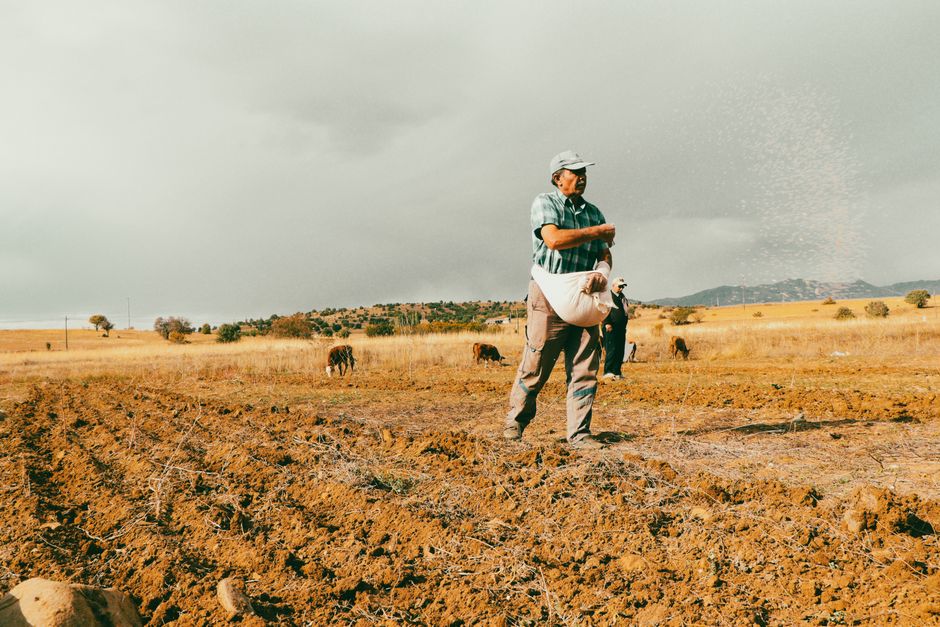
The Greek word for “patient” here is makrothumeō (Strong’s G3114), which literally means to be “long-tempered” or to have a “long fuse.” James employs the metaphor of the geōrgos (husbandman or farmer) to illustrate that spiritual maturity is a process that cannot be rushed. Just as a farmer cannot command the rain to fall or the seed to sprout, the believer must wait upon God’s timing while maintaining a posture of active expectation.
The “early and latter rain” refers to the agricultural cycles in Israel—the autumn rains that soften the soil for planting and the spring rains that bring the crop to maturity. James is teaching that between the planting of our prayers and the harvest of God’s intervention, there is a season of waiting that is not passive, but a deliberate, hopeful endurance. It is a call to trust the Gardener of our souls when the skies seem silent.
James 5:13 — Meaning and Explanation
“Is any among you afflicted? let him pray. Is any merry? let him sing psalms.”
James 5:13 provides a divine prescription for the volatility of human emotion, anchoring both suffering and joy in our relationship with God. The word “afflicted” (kakopatheō, Strong’s G2553) implies suffering hardship or enduring evil. Rather than turning to bitterness or despair, the believer is commanded to turn to prayer as a primary defensive mechanism.
Conversely, when we are “merry”—the Greek euthumeō suggests being of good cheer or having a stout heart—we are to “sing psalms.” This is a command to redirect our happiness toward worship, preventing the pride that often accompanies prosperity. By linking both extremes of the emotional spectrum to spiritual disciplines, James teaches us that God is the rightful recipient of our hearts in every season of life.
James 5:15 — Meaning and Explanation
“And the prayer of faith shall save the sick, and the Lord shall raise him up; and if he have committed sins, they shall be forgiven him.”
This verse is often misunderstood as a guarantee of physical healing, but the context points toward a holistic “saving” (sōzō, Strong’s G4982). The “prayer of faith” is not a magical formula, but a prayer offered in total alignment with God’s will, acknowledging His sovereignty over both the body and the soul. It is a prayer that relies entirely on the character of God rather than the intensity of the requester.
The connection between sickness and sin in this passage does not imply that all illness is a direct result of personal transgression. However, James highlights that when we are in the depths of physical or spiritual weakness, confession and community are essential. The “raising up” may be physical recovery, but it is also the spiritual restoration that comes when a believer is unburdened by the weight of unconfessed sin through the ministry of the elders. You can explore these linguistic nuances further at Blue Letter Bible.
James 5:16 — Meaning and Explanation
“Confess your faults one to another, and pray one for another, that ye may be healed. The effectual fervent prayer of a righteous man availeth much.”
The “effectual fervent prayer” (energoumenē, Strong’s G1754) is a prayer that is “at work” or “in operation.” It suggests an energy that is supplied by God Himself. When James describes the “righteous man,” he is not describing someone who is sinless, but someone who is in right standing with God through faith—like Elijah, whom he cites immediately after as a man of “like passions” as we are.
This verse dismantles the isolation that often plagues the church. By confessing our faults—our petty grievances and our besetting sins—to one another, we strip them of their power to isolate us. True healing, both relational and physical, often begins in the humble space of community, where we no longer need to hide our struggles but can bring them into the light of God’s grace through the prayers of our brothers and sisters.

How to Apply James 5 in Your Daily Life
Applying James 5 requires us to move from the abstract to the concrete. In your family, consider the instruction to “pray one for another” by establishing a daily rhythm where you share one specific struggle and one specific gratitude with your spouse or children. Instead of merely saying “I’ll pray for you,” stop right then and there. This transforms prayer from a polite suggestion into an active, life-giving intervention that fosters deep vulnerability and trust within your home.
In the workplace, James’s warning against the hoarding of wealth and the exploitation of the laborer serves as a challenge to our professional ethics. If you are in a position of leadership, practice radical generosity and fairness, ensuring that your business practices reflect the justice of God. If you are suffering under unfair conditions, practice the “patience of the farmer.” Do your work as unto the Lord, knowing that your ultimate reward comes from Him, not your employer. Trusting God in the “early and latter rain” of your career will give you a peace that is not dependent on your circumstances.
A Prayer Based on James 5
Guided Scriptural Prayer
Heavenly Father, I come before You today, humbled by the reminder that You are the Lord of the harvest and the ultimate source of my strength. Help me to cultivate the patience of the farmer, trusting in Your perfect timing even when the seasons of my life seem dry or difficult. Grant me the courage to be transparent with my brothers and sisters in Christ, that we might bear one another’s burdens and experience the healing power of Your grace. May my prayers be consistent, fervent, and aligned with Your righteous will, as I look forward with hope to the coming of our Lord Jesus Christ. Amen.
Frequently Asked Questions About James 5
What is the main message of James 5?
The main message of James 5 is the call to patient endurance and active faith in the face of suffering. James encourages believers to wait for the return of Christ with the same patience a farmer uses while waiting for crops. He also emphasizes the importance of community, urging believers to confess their faults to one another and to support each other through fervent, righteous prayer. Ultimately, the chapter teaches that our response to both hardship and prosperity must be rooted in a deep, active reliance on God rather than in our own resources or circumstances.
Who wrote James and why?
James was written by James the Just, the brother of Jesus and a prominent leader in the Jerusalem church. He wrote this epistle to Jewish Christians (the “twelve tribes scattered abroad”) who were facing severe trials, poverty, and the temptation to compromise their faith. The purpose of the writing was to provide practical, life-changing wisdom that would bridge the gap between their confession of faith in Christ and the way they lived their daily lives. By addressing issues like partiality, the tongue, and the misuse of wealth, James aimed to produce a mature, “entire and wanting nothing” faith in his readers.
What does the “early and latter rain” mean in James 5:7?
In James 5:7, the “early and latter rain” refers to the specific agricultural climate of the Holy Land. The “early rain” (October/November) was necessary to soften the parched soil for planting, while the “latter rain” (March/April) was essential to bring the crops to maturity before the harvest. Symbolically, James uses this to illustrate that God is in control of the beginning and the end of our spiritual development. Just as a farmer must wait for these seasons outside of his control, the believer is encouraged to trust that God is working in the “hidden” times of our lives to bring about a fruitful harvest.
May the peace of God, which surpasses all understanding, guard your heart and mind as you live out these truths in your daily walk.