
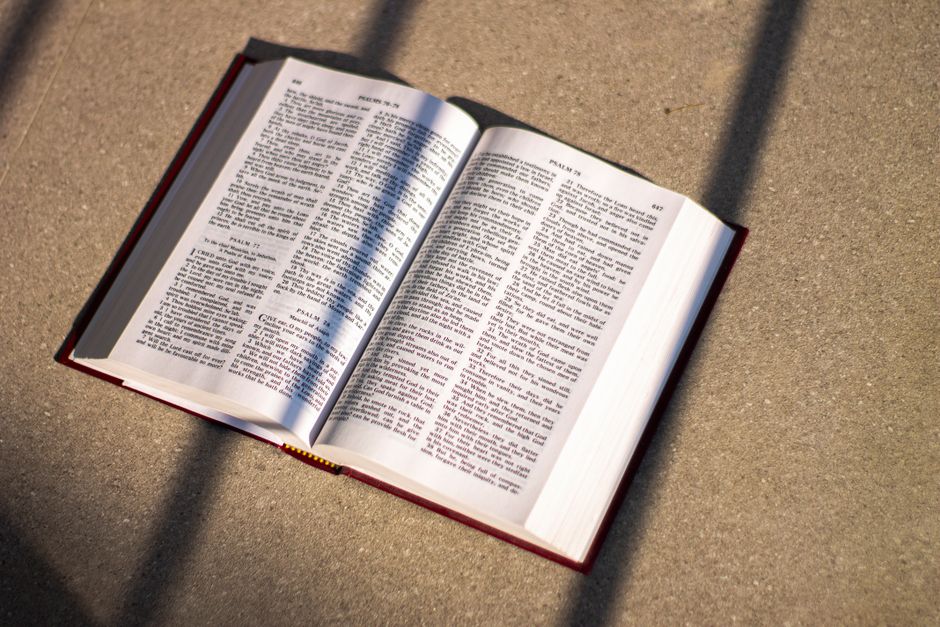
Welcome to this immersive study of Isaiah 40, a passage often called the "Book of Consolation" that serves as a bridge between the judgment of the past and the hope of the future. As we journey through these verses, you will discover profound promises of divine comfort and the incredible strength available to those who anchor their souls in the character of God.
Isaiah 40 - Historical and Spiritual Context
Isaiah chapter 40 marks a dramatic shift in the tone of the book. While the preceding chapters largely focus on the impending judgment and exile of Israel due to their rebellion, this chapter opens with a thunderous command from God: "Comfort, yes, comfort My people!" Historically, this chapter was penned to provide a message of hope to the Jewish exiles in Babylon, signaling that their time of warfare and suffering was coming to an end. It shifts the focus from the failures of humanity to the sovereignty of the Creator, reminding the people that their God is the Lord of history who is coming to redeem them.
Spiritually, Isaiah 40 serves as a manifesto of God’s majesty and tenderness. It contrasts the frailty of man—likened to grass that withers—with the eternal, unchanging Word of God. The overarching theme is the restoration of the relationship between the Creator and His creation. By emphasizing God’s power as the one who measures the oceans in the hollow of His hand, Isaiah invites the reader to stop looking at their circumstances and start looking at the One who controls the stars, ultimately finding rest in His infinite capacity to sustain the weary.

Detailed Verse-by-Verse Commentary
Study of Isaiah 40:1
**"Comfort, yes, comfort My people! Says your God."**
The Hebrew word for "comfort" here is *nachamu*, which carries the nuance of breathing deeply or sighing in relief. It is not merely a polite gesture; it is an act of divine intervention. By repeating the word, Isaiah emphasizes the intensity of God’s heart for His children. Theologically, this verse establishes that the primary desire of God toward His people—even after seasons of discipline—is restoration. It is a reminder that while God is holy and just, His final word to those who belong to Him is always one of grace and peace.
Study of Isaiah 40:8
**"The grass withers, the flower fades, but the word of our God stands forever."**
This verse provides the ultimate perspective on human existence compared to divine reality. The Hebrew term for "grass" (*chatzir*) is used here to illustrate the fleeting, temporary nature of human life and earthly kingdoms. In a world of shifting politics, personal anxieties, and changing emotions, the "Word of our God" (*dabar*) serves as the only immovable anchor. It signifies that God’s promises are not subject to the decay of time; they are as eternal as the character of the One who spoke them.

Study of Isaiah 40:31
**"But those who wait on the Lord shall renew their strength; they shall mount up with wings like eagles, they shall run and not be weary, they shall walk and not faint."**
The concept of "waiting" (*qavah*) in the Hebrew original does not mean sitting idly or passively watching the clock. Instead, it carries the imagery of weaving or binding together—like strands of rope being twisted into a strong cord. When we "wait on the Lord," we are entangling our weakness with His strength. The eagle imagery is profound; unlike other birds that fight the storm, the eagle uses the updrafts of the storm to soar higher. To "mount up" is to allow God’s perspective to lift us above the turbulence of our current trials, turning our exhaustion into supernatural endurance.
Practical Application for Your Daily Life
In your daily life, applying Isaiah 40 begins with a radical shift in how you handle stress. When the demands of your job, the needs of your family, or the weight of personal burdens feel overwhelming, practice the art of "active waiting." This means pausing in the middle of your day to intentionally release your control and ask God to weave His peace into your current situation. Instead of relying solely on your own energy—which, like the grass, can wither under pressure—take five minutes to pray, read a promise from Scripture, and invite the Holy Spirit to be the updraft that carries you through your responsibilities.
Furthermore, learn to differentiate between the "fading flowers" of your circumstances and the "eternal Word" of God. When you feel discouraged by negative news or personal setbacks, consciously choose to speak God’s promises over your situation. If you are feeling "faint," do not just try to work harder; stop and recalibrate your heart toward the Creator. By centering your identity on the fact that you are "His people" and that He is intimately involved in your life, you will find that you can walk through the most mundane or difficult tasks with a renewed, eagle-like perspective that is not easily shaken.
Daily Prayer and Reflection
Guided Scriptural Prayer
Heavenly Father, thank You for the command to be comforted and for the promise that Your Word remains the foundation of my life. When I feel weary and overwhelmed by the demands of this world, help me to wait upon You with a heart of trust, knowing that You are binding my weakness to Your infinite strength. Lift me up like an eagle, that I might see my circumstances through the lens of Your sovereignty rather than my own anxiety. May I walk through this day with the confidence that You are with me, sustaining me, and renewing my spirit. Amen.
May you feel the gentle, restorative comfort of the Lord wrapping around your heart today, and may you soar above your challenges with the strength that only He can provide. Have a truly blessed and peaceful day!