
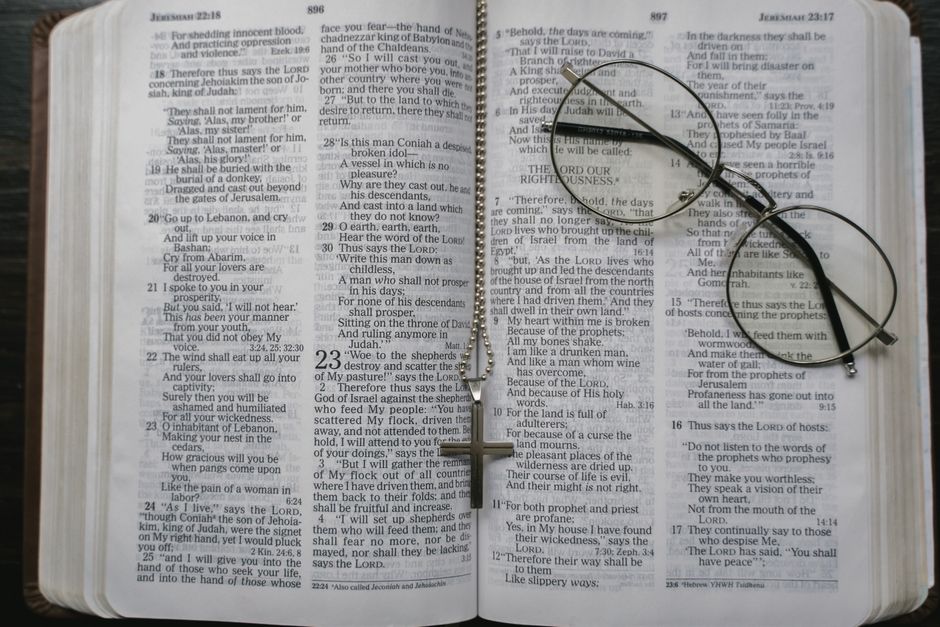
What Does the Bible Say About Faithfulness?
The Bible teaches that faithfulness is a fundamental attribute of God’s nature, which He calls His children to emulate in their relationships with Him and others. It is defined as a steadfast, unwavering commitment to truth, covenant promises, and moral integrity despite shifting circumstances or personal temptation.
In the Old Testament, the Hebrew word for faithfulness is emunah (Strong’s H530), which conveys the idea of steadiness, firmness, and reliability. This term is frequently used to describe God’s covenantal loyalty to Israel, even when they were unfaithful. In the New Testament, the Greek word pistis (Strong’s G4102) carries the same weight, signifying not just belief, but a life of active, dependable trust and fidelity. For the modern Christian, faithfulness is not a suggestion but a requirement for spiritual maturity; it is the “fruit of the Spirit” (Galatians 5:22) that sustains us through the trials of a postmodern world that often prizes convenience over commitment.
Most Powerful Bible Verses About Faithfulness (KJV)

“Thy mercy, O Lord, is in the heavens; and thy faithfulness reacheth unto the clouds.” Psalm 36:5 (KJV)
Psalm 36 was written by David, likely during a time when he was reflecting on the stark contrast between the wickedness of those who reject God and the unwavering character of the Almighty. David finds solace in the fact that while human morality is fleeting, God’s nature is fixed and eternal.
The Hebrew word for faithfulness here is emunah, which implies stability and trustworthiness. When David says it “reacheth unto the clouds,” he uses a poetic hyperbole to signify that God’s faithfulness is infinite and transcends human measurement. By consulting Strong’s Concordance, we see that this word implies a firmness that acts as a foundation for the believer’s life.
The spiritual lesson here is that our circumstances do not dictate the character of God. When we feel abandoned or uncertain, we must look to the “heavens” rather than our surroundings. Modern application involves anchoring our identity in God’s reliability rather than our own fluctuating emotions or the shifting cultural tides of our day.
“It is of the Lord’s mercies that we are not consumed, because his compassions fail not. They are new every morning: great is thy faithfulness.” Lamentations 3:22-23 (KJV)
Jeremiah, known as the “weeping prophet,” penned these words in the midst of the destruction of Jerusalem. Despite the smoke, ruin, and suffering surrounding him, Jeremiah pivots his focus from the tragedy to the character of God, providing one of the most poignant declarations of hope in the Old Testament.
The Hebrew word for “great” is rabbah, meaning abundant or manifold. This implies that God’s faithfulness is not merely a static trait but an active, overflowing supply. It is a daily, recurring grace that meets us exactly where we are, regardless of the previous day’s failures or struggles.
This verse teaches us that faithfulness is often revealed in the smallest, most repetitive acts of grace. We can apply this today by practicing “morning gratitude”—acknowledging that God’s mercy is sufficient for the challenges of the current day before we even step out of our homes.
“His lord said unto him, Well done, thou good and faithful servant: thou hast been faithful over a few things, I will make thee ruler over many things: enter thou into the joy of thy lord.” Matthew 25:21 (KJV)
In this parable of the talents, Jesus speaks to His disciples about the kingdom of God. The master represents Christ, and the servants represent believers entrusted with spiritual gifts, time, and resources. The focus is on the quality of stewardship—doing what is right with what we have been given.
The Greek word for “faithful” is pistos (from the root Strong’s G4103), which describes one who is reliable and worthy of confidence. It is the same word used to describe the character of Christ Himself. To be pistos is to be a person of your word, consistent in your private life and public witness.
The application is clear: God does not reward success as the world defines it, but rather faithfulness in the mundane. Whether you are a parent, a student, or a professional, your “few things” are the places where you demonstrate your allegiance to Christ. Excellence in the small tasks is the training ground for greater spiritual responsibility.
Key Takeaways: Bible Verses About Faithfulness
| Verse Reference (KJV) | Core Spiritual Message | How to Apply Today |
|---|---|---|
| Psalm 36:5 | God’s faithfulness is infinite and above human experience. | Look to Scripture, not circumstances, for your security. |
| Lamentations 3:22-23 | Mercy and faithfulness are renewed daily. | Start each morning by thanking God for new grace. |
| Matthew 25:21 | Faithfulness in small tasks brings spiritual reward. | Do your daily work as if serving Christ directly. |
How Can I Apply Bible Verses About Faithfulness in My Daily Life?
When You Feel Overwhelmed by Responsibilities
When the weight of your obligations feels insurmountable, practice “faithful stewardship of the present moment.” Instead of looking at the entire mountain of work, pray for the grace to be faithful to the task directly in front of you. Focus on the quality of your labor rather than the scale of the outcome, trusting that God honors the effort of a faithful heart (Matthew 25:21).
When Your Relationships Feel Strained
Faithfulness in relationships is often tested in the “quiet” moments. When you are tempted to withdraw, choose to remain present and consistent. Practice active listening and follow through on small promises you have made to your spouse, children, or friends. Remember that as God is faithful to us despite our shortcomings, we are called to reflect that same steadfastness to those around us.
During Times of Spiritual Dryness
When you do not “feel” God’s presence, rely on the objective truth of His faithfulness as revealed in Lamentations 3:23. Do not rely on your emotional state, which is fickle. Establish a rhythmic habit of prayer and Bible reading that occurs regardless of how you feel. Consistency in these spiritual disciplines is the bedrock of a faithful life, even when the “feelings” of faith are absent.
A Prayer for Faithfulness
Guided Scriptural Prayer
Heavenly Father, I come before You acknowledging that You are the source of all truth and steadfastness. Thank You for Your faithfulness that reaches unto the clouds and for the mercies that are new to me every single morning. When my own heart is prone to wander or my spirit grows weary under the pressures of this life, remind me that Your character does not change. Help me to be a faithful steward of the gifts, time, and relationships You have entrusted to my care, finding joy in doing the small things well for Your glory.
Lord, grant me the strength to remain pistos—reliable and true—in all my dealings. May my life be a reflection of the commitment You have shown to me through Jesus Christ. When I feel overwhelmed, ground me in the knowledge that I am held by Your unfailing hand. Let my daily actions testify to my trust in Your promises, and may I one day hear those beautiful words, “Well done, thou good and faithful servant.” In Jesus’ name, Amen.
Frequently Asked Questions About Faithfulness in the Bible
Does the Bible say that faithfulness is required for salvation?
The Bible teaches that salvation is a gift of grace received through faith (Ephesians 2:8-9), but true, saving faith is never stagnant; it naturally produces the fruit of faithfulness. While our works do not earn our salvation, a life that lacks any evidence of faithfulness often calls into question the genuineness of one’s conversion. As James 2:17 (KJV) states, “Even so faith, if it hath not works, is dead, being alone.” Therefore, faithfulness is the inevitable result of a heart transformed by the Holy Spirit, acting as the evidence of a living relationship with Christ.
Is it a sin to struggle with remaining faithful?
Struggling with the temptation to be unfaithful or inconsistent is not a sin in itself, provided that the struggle is met with repentance and a turn back to God. Jesus Himself was tempted in all points as we are, yet He remained without sin (Hebrews 4:15). The sin occurs when we yield to the temptation to forsake our commitments or turn away from God’s commands. When you feel your resolve wavering, you are invited to approach the throne of grace to find help in your time of need, knowing that God is faithful to forgive and restore.
How does God demonstrate His faithfulness to me?
God demonstrates His faithfulness through His preservation of the created order, His provision of daily needs, and ultimately through the gift of His Son, Jesus Christ. Even when we are faithless, He remains faithful because He cannot deny Himself (2 Timothy 2:13). You see His faithfulness in the answered prayers, the conviction of the Holy Spirit leading you toward righteousness, and the sustaining power that keeps you through life’s trials. Every day that you wake with breath in your lungs is a testament to the fact that God’s compassions have not failed and that His promise to never leave nor forsake you remains true.
What is the difference between faith and faithfulness?
While related, faith (pistis) is the internal belief and trust in God, whereas faithfulness is the external manifestation of that trust in our actions. Faith is the root; faithfulness is the fruit. You cannot have biblical faithfulness without faith, as it is the belief in God’s character that motivates us to stay committed to His ways. One can claim to have faith, but it remains theoretical until it is tested by life’s circumstances, at which point it is proven through the active, consistent obedience we call faithfulness. Both are essential to a vibrant, mature walk with the Lord.