
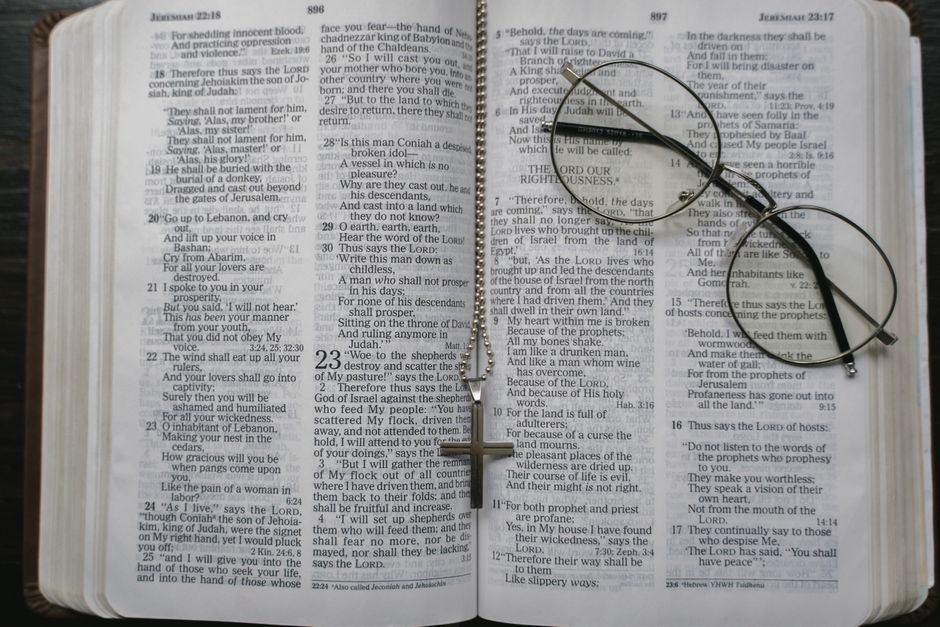
What Does the Bible Say About Faith in God?
The Bible presents faith in God as the foundational substance of the Christian life, defining it as the confident assurance in things hoped for and the conviction of realities not yet seen. It is not merely an intellectual assent to facts, but a total, transformative reliance upon the character and promises of the Creator.
Throughout the Old and New Testaments, faith is depicted as the primary vehicle through which humanity relates to God. In the Hebrew Scriptures, the term emunah (Strong’s H530) signifies steadfastness, firmness, and fidelity—a trust that remains anchored even when circumstances are volatile. In the New Testament, the Greek word pistis (Strong’s G4102) carries the weight of persuasion and reliance, serving as the essential catalyst for salvation and sanctification. You can explore a deeper breakdown of these terms at Blue Letter Bible.
Modern Christians often struggle with faith because it is frequently mistaken for a feeling or a guarantee of worldly comfort. However, biblical faith is a deliberate choice to align one’s worldview with the sovereignty of God, despite the pressures of a secular culture. True faith requires a constant recalibration of our hearts, moving us from a position of self-reliance to a radical dependence on the finished work of Jesus Christ.
Most Powerful Bible Verses About Faith in God (KJV)
Now faith is the substance of things hoped for, the evidence of things not seen. Hebrews 11:1 (KJV)
The author of Hebrews wrote this letter to Jewish Christians facing intense persecution and the temptation to revert to the rituals of the Mosaic Law. By defining faith in this foundational verse, the author encourages them to look beyond their current suffering toward the eternal weight of glory promised in Christ.
The Greek word for “substance” is hupostasis, which implies a “foundation” or “assurance.” It is the title deed to an inheritance. The word for “evidence” is elegchos, which relates to a “conviction” or a “proof” that is so compelling that it leaves no room for doubt. For a deeper study on these terms, consult the Strong’s Concordance.
Spiritually, this verse teaches that faith is not a blind leap into the dark, but a firm step into the light of God’s character. In our modern lives, when we cannot see the outcome of a trial, this verse reminds us that God’s Word is the evidence we need to remain steadfast.
For by grace are ye saved through faith; and that not of yourselves: it is the gift of God. Ephesians 2:8 (KJV)
Paul the Apostle wrote this to the church at Ephesus to remind them that their standing before God was not earned through works or human effort. The historical context emphasizes that even in a culture obsessed with status and achievement, spiritual salvation is entirely an act of divine grace.
The Greek word for “faith” here is pistis, denoting a total reliance on the object of our faith—Jesus. The phrase “gift of God” underscores that even the ability to believe is a work of the Holy Spirit within us, preventing any room for human boasting in our own spiritual accomplishments.
The lesson for today is profound: we are liberated from the pressure to “be good enough” for God. Faith is the open hand that receives what God has already provided. When you feel like you are failing, remember that your salvation rests on His faithfulness, not your own.
Trust in the LORD with all thine heart; and lean not unto thine own understanding. In all thy ways acknowledge him, and he shall direct thy paths. Proverbs 3:5-6 (KJV)
Solomon, writing to his son in the Wisdom Literature, provides a roadmap for living a life that honors God. This passage reflects the ancient Hebrew understanding that wisdom is not about human intelligence, but about a practical, daily reliance on the fear of the Lord.
The Hebrew word for “trust” is batach, which means to “lean upon” or “to be confident in.” It suggests a posture of total surrender. The Hebrew word for “acknowledge” is yada, which implies an intimate, experiential knowledge—not just a passing nod to God, but a relationship that informs every decision.
Modern application is clear: we are often tempted to “lean” on our own logic, finances, or connections. This verse calls us to move away from self-sufficiency and toward a partnership with God, where He is the primary consultant in every decision, from the mundane to the monumental.
Key Takeaways: Bible Verses About Faith in God
| Verse Reference (KJV) | Core Spiritual Message | How to Apply Today |
|---|---|---|
| Hebrews 11:1 | Faith is the reality of the unseen. | Anchor your hope in God’s promises during uncertainty. |
| Ephesians 2:8 | Faith is the instrument of grace. | Stop performing for God and start resting in His work. |
| Proverbs 3:5-6 | God guides those who trust Him fully. | Pray before every major decision; seek His will over logic. |
How Can I Apply Bible Verses About Faith in God in My Daily Life?
When You Feel Overwhelmed by Uncertainty
When the future feels murky, practice “active waiting.” Instead of spiraling into anxiety, write down three promises from Scripture (such as Psalm 23 or Isaiah 41:10). Read them aloud, then pray, “Lord, I cannot see the path, but I trust the One who made it.” This moves your focus from the obstacle to the Overcomer.
When Your Intellect Conflicts with God’s Word
When secular logic tells you that a biblical command is “outdated” or “unreasonable,” perform a “surrender check.” Identify the specific area where you are leaning on your own understanding. Spend time in meditation on Proverbs 3:5-6, asking the Holy Spirit to reveal the limitation of human reason compared to the infinite wisdom of God.
When You Are Struggling with Feelings of Inadequacy
If you feel like your faith is too small or your works are insufficient, return to Ephesians 2:8. Remind yourself that faith is not a muscle you have to build through intense spiritual exercise; it is a gift you have already received. Take a moment each morning to thank God for His grace, shifting your identity from “doer” to “beloved child.”
A Prayer for Faith in God
Guided Scriptural Prayer
Heavenly Father, I come before You acknowledging that my heart is often prone to doubt and self-reliance. I thank You for the gift of faith, which allows me to see beyond my current circumstances and find rest in Your sovereign hand. Lord, help me to lean not on my own understanding, but to trust in Your goodness, knowing that You are the author and finisher of my faith.
Grant me the grace to walk by faith and not by sight, especially when the path ahead is obscured. May Your Word be the substance of my hope and the evidence of Your presence in my life. I surrender my fears, my logic, and my future to You, trusting that as I acknowledge You in all my ways, You will direct my steps according to Your perfect will. In Jesus’ name, Amen.
Frequently Asked Questions About Faith in God in the Bible
Does the Bible say that faith is the same thing as believing in God?
The Bible distinguishes between mere intellectual belief and saving faith. James 2:19 notes that “the devils also believe, and tremble,” showing that acknowledging God’s existence is not enough. Biblical faith involves a personal, active commitment to follow Him. True faith is a relational trust that results in obedience, whereas simple belief is just an acknowledgement of a fact. To have biblical faith means to entrust your entire life to the lordship of Jesus Christ.
Is it a sin to have doubts while trying to have faith?
Doubt is a universal human experience, and the Bible records many heroes of faith—including Thomas and even John the Baptist—who wrestled with uncertainty. Doubt is not necessarily the opposite of faith; it is often the environment in which faith is tested and refined. If you are struggling, follow the example of the father in Mark 9:24 who cried out, “Lord, I believe; help thou mine unbelief.” God is patient with our questions and welcomes us to bring our doubts to Him in prayer.
How does God grow our faith when life is difficult?
God uses trials as a refiner’s fire to strip away our reliance on worldly things. James 1:3 explains that the “trying of your faith worketh patience.” By allowing us to face situations that are beyond our control, God forces us to rely entirely on His strength rather than our own. This process is rarely comfortable, but it is essential for spiritual maturity, as it moves us from a surface-level trust to a deep, unshakable conviction that God is faithful even when life is hard.
What is the difference between faith and positive thinking?
Positive thinking is a human-centered exercise that relies on the power of one’s own mind to achieve an outcome. Biblical faith, however, is God-centered; it relies on the power and character of God regardless of the outcome. While positive thinking focuses on the “what” (getting what I want), faith focuses on the “Who” (trusting God’s will). As seen in Hebrews 11, faith often involves enduring hardship for the sake of the promise, whereas positive thinking often crumbles when the desired outcome does not manifest.