

The Theology of Gratitude: An Anchor for the Soul
Gratitude in the biblical tradition is far more than a polite social grace or a positive psychological outlook; it is a foundational posture of the soul before its Creator. Across both the Old and New Testaments, gratitude is presented as the primary response to the revelation of God’s character and His redemptive work. In the Old Testament, the Hebrew concept of todah (thanksgiving) is inextricably linked to sacrifice and confession. It is not merely a feeling of appreciation but a declarative act of acknowledging God’s sovereignty in the midst of both prosperity and trial. From the Psalms of David to the historical accounts of Israel’s deliverance, gratitude serves as a rhythmic testimony that anchors the covenant community in the truth of God’s faithfulness.
In the New Testament, this theme reaches its zenith in the person and work of Jesus Christ. Gratitude (Greek: eucharistia) becomes the defining mark of the believer who has been reconciled to God. It is an act of worship that transcends circumstances. Modern Christians, however, often struggle with this discipline because we live in an era characterized by the “curse of comparison” and a consumerist culture that demands entitlement rather than fostering appreciation. We frequently confuse gratitude with happiness, assuming that we should only be thankful when life is comfortable. Yet, biblical gratitude is a counter-cultural defiance of cynicism. It is a spiritual discipline that requires us to look past the immediate horizon of our suffering to the eternal reality of God’s grace. Encouragement in this area is not about “thinking positive”; it is about recalibrating our hearts to recognize the Giver behind the gifts, thereby finding peace that defies human logic.
Contextual Scripture Analysis
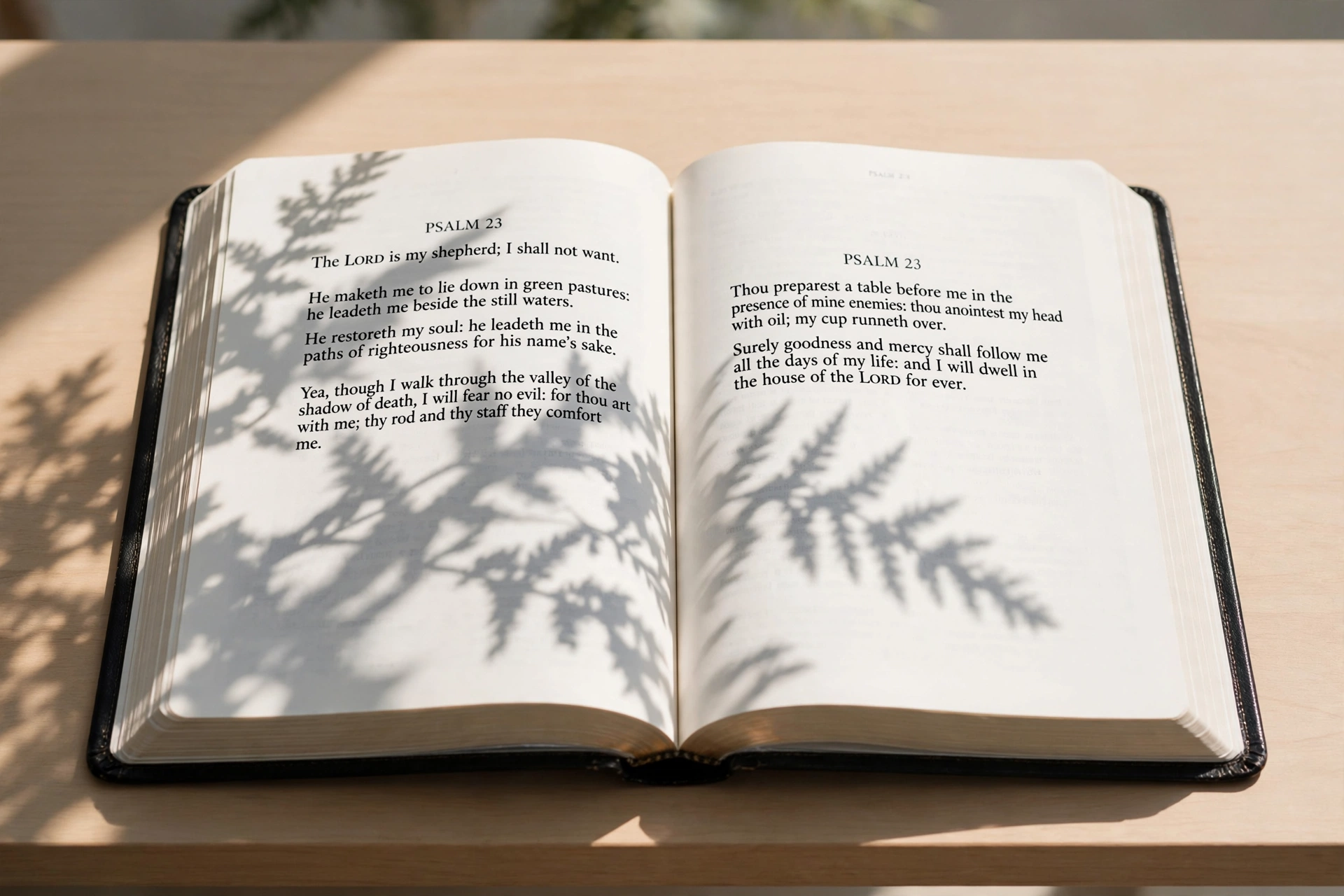
1. Psalm 100:4
Enter into his gates with thanksgiving, and into his courts with praise: be thankful unto him, and bless his name.
Psalm 100 serves as a liturgical call to worship, likely composed for the people of Israel as they approached the Temple in Jerusalem. The “gates” and “courts” represent the threshold of God’s dwelling place, symbolizing the transition from the mundane, secular world into the sacred presence of the Almighty. The psalmist is instructing the congregation that they cannot approach the holiness of God with a spirit of entitlement or distraction; they must bring an offering of gratitude as the prerequisite for communion with Him.
The language here is highly intentional. To “enter” with thanksgiving implies that gratitude is the key that unlocks the door to intimacy. The word “bless” (Hebrew: barak) in this context means to kneel or to pay homage, suggesting that our gratitude is an act of submission. When we “bless His name,” we are acknowledging that His reputation, His character, and His authority are worthy of our highest honor. The metaphors of gates and courts remind us that God is both King and Father—a sovereign to be feared and a host to be enjoyed.
The spiritual lesson is profound: Gratitude is the posture of access. Often, we feel distant from God because we approach Him with a laundry list of requests rather than a heart of adoration. By cultivating a spirit of thanksgiving before we even voice our petitions, we align our will with His. We acknowledge that God is good, His mercy is everlasting, and His truth endures to all generations, effectively silencing our anxieties before they can take root in the holy place of prayer.
2. 1 Thessalonians 5:18
In every thing give thanks: for this is the will of God in Christ Jesus concerning you.
Paul writes this letter to the church in Thessalonica, a community facing significant persecution and confusion regarding the end times. By instructing them to be thankful “in” everything—not necessarily “for” the tragedy itself—Paul is establishing a theological framework for Christian suffering. He is writing to people who have lost their earthly security, reminding them that their identity in Christ is an immutable reality that no external circumstance can diminish.
The phrase “in every thing” acts as a comprehensive modifier. It leaves no room for exceptions, whether in seasons of abundance or the deepest valleys of grief. The phrase “the will of God” is particularly striking; Paul suggests that the primary way we discern and live out God’s will is not through complex calculations of our future, but through the immediate, radical act of thanksgiving. It is the “will of God” because it mirrors the nature of Christ, who, even in the shadow of the cross, gave thanks to the Father.
The spiritual lesson here is that gratitude is a choice, not an emotion. We are called to be people who see the hand of God at work even when the world seems to be falling apart. This verse teaches us that our emotional state does not dictate our spiritual duty. By choosing to give thanks in the midst of pain, we demonstrate a faith that is anchored in the unseen, proving that we trust God’s sovereignty more than we trust our own situational comfort.
3. Colossians 3:17
And whatsoever ye do in word or deed, do all in the name of the Lord Jesus, giving thanks to God and the Father by him.
In this passage, Paul is addressing the practical outworking of the “new self” in Christ. He is writing to believers who are tempted to compartmentalize their lives, separating their “religious” duties from their everyday work, relationships, and conversations. Paul insists that for the Christian, there is no sacred-secular divide; everything is an act of worship when performed under the Lordship of Jesus.
The phrase “in the name of the Lord Jesus” signifies acting under His authority and representation. When we perform a task “in His name,” we are effectively saying that He is the owner of our time, our energy, and our talents. The act of “giving thanks” is the concluding signature of every action. It is the acknowledgment that even the strength to complete a task is a gift from the Father. By linking our deeds to thanksgiving, we ensure that our lives are a continuous sacrifice of praise.
The spiritual lesson is the integration of faith and life. Most of us struggle with gratitude because we view our lives as a series of isolated events rather than a unified offering to God. When we practice gratitude for the mundane—the ability to work, the capacity to speak, the opportunity to serve—we transform our daily routine into a liturgy. We learn to see God in the details, realizing that a life of thanksgiving is the natural result of living entirely for Him.
Summary Takeaways Table
| Verse (KJV) | Core Spiritual Message | Actionable Lesson |
|---|---|---|
| Psalm 100:4 | Gratitude is the prerequisite for intimacy with God. | Begin every prayer session with five minutes of focused praise before making requests. |
| 1 Thessalonians 5:18 | Gratitude is a divine command that transcends circumstances. | Identify one “hard” thing in your life today and find one aspect of God’s character to thank Him for within that situation. |
| Colossians 3:17 | Every act of life can be an act of worship. | Before starting your workday or a household chore, mentally dedicate the task to God with a prayer of thanks. |
Practical Devotional Application
The Morning “Threshold” Practice
Before your feet touch the floor in the morning, cultivate a “threshold of gratitude.” As you wake, acknowledge that this day is a gift you did not earn. List three things you are thankful for—not just abstract concepts, but specific, tangible realities like the breath in your lungs, the safety of your home, or the grace extended to you in the previous day. This practice sets the “temperature” for your soul before the demands of the world can dictate your mood.
The “Reframing” Journaling Method
When you face a challenge that threatens to steal your joy, use a simple journaling technique. Write down the stressful situation, then force yourself to write three “gratitude bridges.” A bridge connects the difficulty to a greater truth about God. For example, if you are struggling with a difficult person, the bridge might be: “I am thankful that God is patient with me, which gives me the strength to be patient with this person.” This moves you from victimhood to active, grace-filled participation.
The Evening “Eucharistic” Review
End your day by reflecting on the “hidden” mercies. We often overlook the things that went right because they didn’t require our attention. Spend time thanking God for the prayers He answered, the dangers He protected you from, and the quiet moments of peace you experienced. This prevents the “ingratitude drift,” where we slowly begin to take God’s daily sustaining grace for granted.
Empathic Daily Prayer
Guided Scriptural Prayer
Heavenly Father, I come before You today with a heart that often forgets the magnitude of Your goodness. Please forgive me for the times I have allowed the noise of this world to drown out the melody of Your grace. I ask that You would open the eyes of my heart to see the threads of Your providence woven into the fabric of my daily life, especially in the seasons of shadow and struggle. Grant me the spiritual discipline to look past my circumstances and fix my gaze upon Your unchanging character, that I might offer You a sacrifice of praise that is truly pleasing in Your sight.
Lord, transform my spirit from one of entitlement to one of profound humility. When I am weary, remind me that You are my strength; when I am discouraged, remind me that You are my hope. May my words, my deeds, and my very thoughts be an extension of a grateful heart, reflecting the love of Christ to everyone I encounter. Let my life be a living testimony to the fact that You are good, and that Your mercy endures forever. In the name of Jesus, my Savior and my Source, I pray. Amen.
Frequently Asked Questions
Is it wrong to be honest about my pain when the Bible tells me to be thankful in all things?
Absolutely not. Biblical gratitude is never a form of “toxic positivity” that requires us to suppress our emotions or deny the reality of our suffering. The Psalms are filled with “laments”—raw, honest prayers where the writers cry out to God about their confusion, fear, and pain. The key is that these laments almost always conclude with an intentional turn toward gratitude. We can tell God, “I am in immense pain,” while simultaneously saying, “But I trust You, and I am thankful for Your presence with me.” Gratitude doesn’t mean ignoring the pain; it means refusing to let the pain define our final reality.
How can I practice gratitude when I feel like I have nothing to be thankful for?
When our circumstances feel bleak, gratitude must be rooted in the objective reality of the Gospel rather than our subjective feelings. If you cannot find a reason to be thankful for your current situation, anchor your gratitude in the person of Jesus Christ. Be thankful that He died for you, that your sins are forgiven, that you have the gift of the Holy Spirit, and that your citizenship is in Heaven. These are spiritual realities that remain true even when your earthly life feels empty. Start with these foundational truths, and you will find that a heart that meditates on the Gospel inevitably begins to find smaller, earthly sparks of grace to be thankful for as well.
Does God “need” our gratitude, or is it purely for our own benefit?
God does not “need” our gratitude in the sense that He lacks something that we provide. He is self-existent and lacks nothing. However, God desires our gratitude because it is the way we align ourselves with the truth. When we give thanks, we are essentially acknowledging reality: that He is the Source, the Provider, and the Sustainer. It is for our benefit because gratitude is the primary antidote to the poison of pride and self-sufficiency. By thanking God, we constantly remind ourselves that we are not the masters of our own destiny, which keeps us humble, dependent, and ultimately, at peace.