

What Does the Bible Say About repentance?
The Bible defines repentance as a radical, inward change of mind that results in a fundamental transformation of one’s life and direction toward God. It is not merely an emotional reaction to guilt, but a deliberate turning away from sin and a turning toward the righteousness of Jesus Christ.
In the Old Testament, the Hebrew word shuv (Strong’s H7725) is frequently used, literally meaning “to turn back” or “to return.” This implies that the sinner has wandered from the covenant path and must physically and spiritually reorient their life toward the Creator. In the New Testament, the Greek term metanoia (Strong’s G3341) shifts the focus to the mind; meta (change) and noia (mind) combine to describe a comprehensive change of perspective. For a deeper study of these original languages, you can explore the Blue Letter Bible lexicon tools.
Modern Christians often struggle with this concept because it is frequently reduced to a casual “I’m sorry.” However, the biblical mandate for repentance is a call to total surrender. Without this internal revolution, faith remains intellectual assent rather than a saving relationship. As Matthew Henry notes in his commentary, repentance is a gift of God’s grace, necessary for every believer to maintain intimacy with the Father and to walk in the sanctifying power of the Holy Spirit.
Most Powerful Bible Verses About repentance (KJV)
“Repent ye therefore, and be converted, that your sins may be blotted out, when the times of refreshing shall come from the presence of the Lord.” Acts 3:19 (KJV)
Acts 3:19 is part of Peter’s second sermon, delivered in Solomon’s Porch following the miraculous healing of the lame man. Peter is addressing the Jewish people who had recently called for the crucifixion of Christ. He confronts them with the reality of the resurrection and calls them to account for their rejection of the “Holy One and the Just.”
The Greek word for “repent” here is metanoeo (Strong’s G3340), which signifies a change of heart that produces action. The term “blotted out” (Greek: exaleipho) is a legal term referring to the wiping away of an entry in an account book. When we look at this through Strong’s Concordance, we see that God does not merely cover sin; He legally cancels the debt, provided there is a genuine change of mind.
The spiritual lesson here is that repentance is the gateway to “refreshing.” Many believers feel spiritually stagnant because they hold onto unconfessed sin. True repentance acts as a spiritual reset button, clearing the conscience so that the presence of the Lord can flow freely into our lives once again. It is a promise of restoration, not just punishment.
“I tell you, Nay: but, except ye repent, ye shall all likewise perish.” Luke 13:3 (KJV)
In Luke 13, Jesus addresses those who were speculating about the tragic deaths of Galileans slaughtered by Pilate. The crowd assumed these victims were greater sinners than others, but Jesus corrects their theology. He uses this somber occasion to warn that physical catastrophe is not the ultimate danger; the danger is dying without having turned to God.
The Greek word used for “perish” is apollymi (Strong’s G622), which implies being lost, ruined, or rendered useless for the purpose of one’s creation. It is a stark reminder that without the metanoia (change of mind) mentioned earlier, the human trajectory is inherently headed toward eternal ruin. Jesus emphasizes that repentance is not optional for some “bad” people; it is a universal necessity for all humanity.
Today, we often minimize the reality of judgment, but Jesus’ words serve as a loving, urgent warning. Repentance is the only hedge against spiritual destruction. It is not intended to frighten us into submission, but to awaken us to the urgency of reconciliation. Every day we live is a grace-filled opportunity to turn away from the path of self-destruction and toward the life-giving path of Christ.
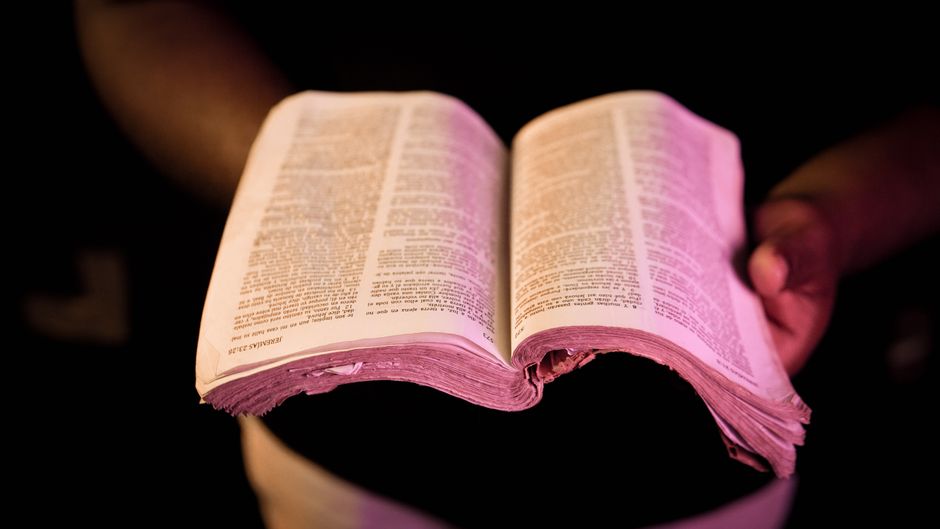
“If my people, which are called by my name, shall humble themselves, and pray, and seek my face, and turn from their wicked ways; then will I hear from heaven, and will forgive their sin, and will heal their land.” 2 Chronicles 7:14 (KJV)
This verse occurs during God’s response to Solomon at the dedication of the Temple. While the promise was given specifically to the nation of Israel, it establishes a timeless principle regarding the relationship between a people’s heart condition and God’s intervention. It outlines a four-fold process: humbling, praying, seeking, and turning.
The Hebrew word for “turn” is shuv (Strong’s H7725), which we discussed earlier. In this context, it implies a corporate or personal turning away from the “wicked ways” that have obstructed our fellowship with God. You can find more detailed cross-references for this verse at Bible Gateway.
The modern application is profound for both the individual and the church. We often ask God to “heal our land” or fix our circumstances, yet we bypass the required condition of turning from our own wicked ways. Repentance is the prerequisite for revival. When we stop seeking God’s hand for blessings and start seeking His face for intimacy, we position ourselves to receive the healing He alone can provide.
Key Takeaways: Bible Verses About repentance
| Verse Reference (KJV) | Core Spiritual Message | How to Apply Today |
|---|---|---|
| Acts 3:19 | Repentance leads to spiritual refreshing. | When you feel dry or distant from God, confess your sins specifically to receive renewal. |
| Luke 13:3 | Repentance is a universal necessity. | Do not compare your sins to others; focus on your own need for God’s grace. |
| 2 Chronicles 7:14 | Humility is the precursor to healing. | Before asking God for help, spend time in silent reflection to identify areas of pride. |
| Psalm 51:17 | God desires a broken and contrite heart. | Stop performing religious rituals and bring your genuine, messy heart to the Lord. |
How Can I Apply Bible Verses About repentance in My Daily Life?
When You Feel Overwhelmed at Work
Workplace stress often stems from pride—the belief that we must control every outcome. Repentance in this context is the act of “turning” from your self-reliance back to God’s sovereignty. Take five minutes to pause, pray, and acknowledge that your worth is not tied to your productivity. Release the need for perfection and ask the Holy Spirit to guide your hands, shifting your focus from your own competence to His presence.
When a Relationship Hurts
Conflict often reveals our deepest idols, such as the need for approval or the desire to be “right.” Repentance here means examining your own heart before addressing the other person. Ask God to show you your 10% of the fault, no matter how small. Once you have repented for your own pride or harsh words, you can approach the relationship with a spirit of grace rather than accusation, reflecting the love Christ showed you.
During Financial Hardship
Financial anxiety often masks a lack of trust in God’s provision. Repentance involves turning away from the idol of security and turning back to the promise of God’s faithfulness. Practically, this means auditing your spending habits to ensure they align with stewardship, and then intentionally choosing to tithe or give despite your fears. This act of “turning” breaks the power of money over your heart and re-establishes God as your Provider.
A Prayer for repentance
Guided Scriptural Prayer
Heavenly Father, I come before You today with a heart that longs to be closer to You. I acknowledge that I have wandered, allowing pride, fear, and self-reliance to cloud my vision. Lord, I repent of these ways. I choose to turn away from the things that distract me from Your presence and set my heart firmly on You. According to Your word, I ask that You blot out my transgressions and wash me clean, that I may experience the refreshing of Your Holy Spirit once again.
Thank You for the gift of repentance, which is not a heavy burden but a path to freedom. Help me to walk in this humility daily, seeking Your face above all else. May my life be a reflection of the change You have wrought within me, and may I find my healing and my identity solely in the finished work of Jesus Christ. Amen.
Frequently Asked Questions About repentance in the Bible
Does the Bible say that repentance is a one-time event or a lifestyle?
The Bible presents repentance as both an initial act of salvation and a continuous lifestyle for the believer. In Acts 3:19, the call to repentance is the starting point for conversion, where one turns from darkness to light. However, the New Testament letters written to existing believers, such as Revelation 2:5, contain calls for the church to “repent” and return to their first love. This indicates that as we grow in holiness, the Holy Spirit continues to reveal areas of our lives that need to be surrendered. Repentance is therefore the daily rhythm of the Christian life, ensuring we remain aligned with God’s will as we mature in faith.
Is it a sin to struggle with the same temptation after repenting?
Struggling with temptation is not a sin, but failing to rely on God in the midst of it can lead to sin. The Bible teaches that we are to “flee youthful lusts” and “resist the devil.” If you have truly repented, your heart’s orientation has changed, but your flesh remains weak. When you fall, repentance is the immediate remedy. 1 John 1:9 assures us that if we confess our sins, He is faithful to forgive us. Repentance is not about achieving perfect sinlessness immediately; it is about the direction of your life. Keep turning back to God every time you stumble, trusting in His grace to sanctify you over time.
How does God react when a person truly repents?
God’s reaction to true repentance is one of overwhelming joy and restoration. In the parable of the Prodigal Son (Luke 15), the father does not wait for the son to fix his life; he runs to meet him while he is still a long way off. This demonstrates that God is actively looking for our return. He does not hold our past over our heads; rather, He “blots out” our sins and clothes us in righteousness. The Bible consistently portrays God as a Father who finds great delight in the return of His children, celebrating our restoration more than we could ever imagine.
What is the difference between worldly sorrow and godly sorrow?
The Apostle Paul makes a crucial distinction in 2 Corinthians 7:10, stating that “godly sorrow worketh repentance to salvation… but the sorrow of the world worketh death.” Worldly sorrow is the regret we feel when we get caught or when we suffer the consequences of our bad choices—it is self-centered and focuses on the pain we feel. Godly sorrow, however, is centered on the realization that we have grieved the heart of a loving God. It leads to a genuine change of life because the motivation is love for the Creator rather than a desire to escape punishment. Godly sorrow brings peace and transformation, whereas worldly sorrow leaves a person bitter and unchanged.