
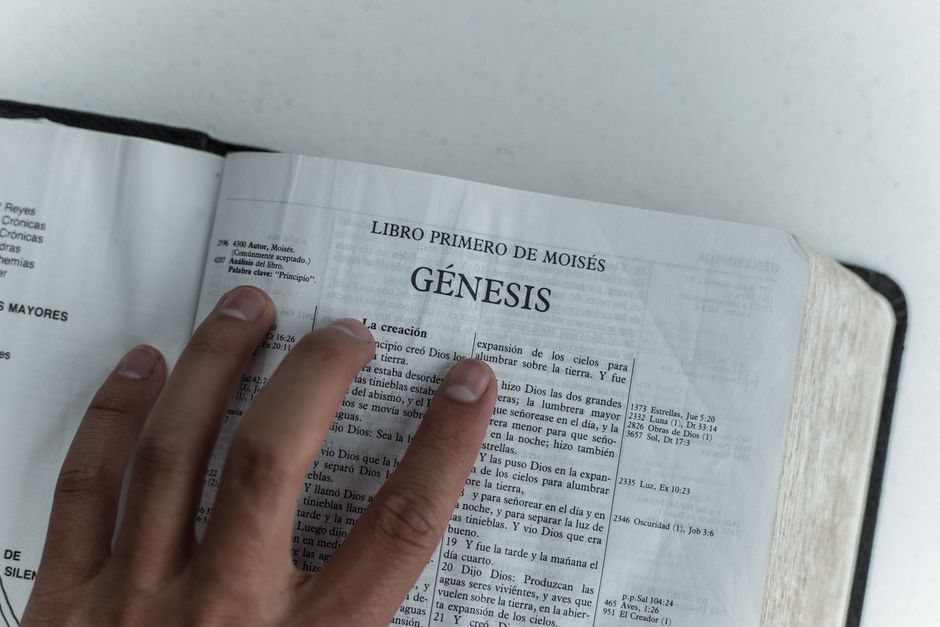
Welcome to this deep dive into the heart of the Pentateuch, where we witness the poignant transition of leadership from Moses to Joshua. As we explore Deuteronomy 31, we will uncover timeless truths regarding divine faithfulness, the necessity of courage in the face of transition, and the vital importance of anchoring our lives in the written Word of God.
Deuteronomy 31 — Historical and Spiritual Context
Deuteronomy 31 serves as the final transition of the Mosaic era, occurring on the plains of Moab just before the Israelites cross the Jordan. Moses, now 120 years old, prepares the nation for his impending death, formally commissioning Joshua as his successor and charging the Levites with the preservation of the Law. You can read Deuteronomy 31 on Bible Gateway to ground yourself in the text.
The overarching theological theme of this chapter is the continuity of God’s presence despite the fragility of human leadership. While Moses, the great mediator, must depart, the Covenant remains, and the Lord remains the constant Shepherd of His people. For the modern believer, this chapter serves as a profound reminder that our security is found not in human institutions or earthly mentors, but in the immutable character of God, who promises to never leave nor forsake those who belong to Him.

Verse-by-Verse Commentary on Deuteronomy 31
Deuteronomy 31:6 — Meaning and Explanation
“Be strong and of a good courage, fear not, nor be afraid of them: for the Lord thy God, he it is that doth go with thee; he will not fail thee, nor forsake thee.”
This verse is the bedrock of the chapter, functioning as a command paired with a promise. The Hebrew word for “strong” is chazaq (Strong’s H2388), implying to be bound or fastened to something immovable. Moses is telling the people that their strength is not internal; it is derived from being tethered to the Almighty.
The promise that God will “not fail thee, nor forsake thee” is a double-negative emphasis in the original Hebrew, highlighting the certainty of His presence. Matthew Henry notes that this encouragement is not merely for Joshua, but for every believer facing a “Jordan” in their own life. When we stand before the giants of our future, we are commanded to fear not, because the battle belongs to the One who is already on the other side of our obstacles.

Deuteronomy 31:8 — Meaning and Explanation
“And the Lord, he it is that doth go before thee; he will not fail thee, neither forsake thee: fear not, neither be dismayed.”
In this verse, the focus shifts to the divine leadership of God. The Hebrew verb halak (Strong’s H1980) is used here to describe God as the One who “walks” or “goes before” the camp. This is a military metaphor, suggesting that God is the Vanguard, the scout who clears the path, maps the terrain, and engages the enemy before we even arrive.
To be “dismayed” (Hebrew: chathath) means to be shattered or broken in pieces by terror. God reminds Israel that since He is the vanguard, there is no reason for their spirits to shatter. When we feel overwhelmed by the unknown, we must remember that God has already traversed our tomorrow. He is not surprised by our circumstances, and He is already working to prepare the way for our victory.
Deuteronomy 31:12 — Meaning and Explanation
“Gather the people together, men and women, and children, and thy stranger that is within thy gates, that they may hear, and that they may learn, and fear the Lord your God, and observe to do all the words of this law.”
This verse establishes the “Covenant of Reading,” a public assembly designed to ensure the spiritual literacy of the entire community. The instruction to include children and the “stranger” (the foreigner living among them) signifies that God’s Word is meant to be the unifying cultural and spiritual fabric of the nation. The goal is not merely intellectual acquisition, but yare’ (Strong’s H3372), which is a reverential fear or awe of God.
In a modern context, this highlights the necessity of the corporate reading of Scripture. We are not meant to consume the Bible in isolation. When we gather as families or church bodies to hear the Word, we invite the Holy Spirit to move among us, transforming head knowledge into heart-level obedience. It reminds us that spiritual legacy is passed down through the deliberate, communal engagement with the text.
Deuteronomy 31:23 — Meaning and Explanation
“And he gave Joshua the son of Nun a charge, and said, Be strong and of a good courage: for thou shalt bring the children of Israel into the land which I sware unto them: and I will be with thee.”
This is the formal induction of Joshua. The word “charge” (Hebrew: tsavah; Strong’s H6680) signifies an authoritative command, often used for military or divine instructions. Joshua was not being asked to lead based on his own merit, but based on the divine commission he had received.
The spiritual lesson here is that God’s call on our lives is always accompanied by His presence. Joshua’s success was not predicated on his military strategy, but on his obedience to the charge and his reliance on God’s promise, “I will be with thee.” Whenever God calls us to a new season or a difficult task, the promise of His presence is the only qualification we truly need.

How to Apply Deuteronomy 31 in Your Daily Life
Applying Deuteronomy 31 in the modern era begins with the intentionality of “gathering” in your own home. Just as Moses instructed the Israelites to read the law before their families, create a rhythm in your household where Scripture is read aloud. This might mean a five-minute devotional at the breakfast table or a Saturday morning reading session. When your children see you prioritizing the Word, they learn that God’s counsel is the final authority in your home, not the shifting tides of public opinion.
In the workplace, apply the lesson of the “Vanguard.” When you face a project that feels insurmountable or a conflict that drains your peace, pause and pray for the Lord to “go before you.” Instead of rushing into defensive behavior or anxious planning, act from a place of “good courage.” Trust that God has already walked through that boardroom, that conversation, and that deadline. By operating with the confidence that God is your protector and guide, you will find that your work becomes an act of worship rather than a source of stress.
A Prayer Based on Deuteronomy 31
Guided Scriptural Prayer
Heavenly Father, as I stand at the threshold of new seasons and challenges, I cling to Your promise that You will never leave nor forsake me. Just as You charged Joshua, I ask for the strength and courage to walk faithfully in the path You have laid out. Help me to be a diligent student of Your Word, keeping it ever before me and my family so that we may walk in Your fear and love. I trust that You are my Vanguard, already present in my future and preparing the way for my good and Your glory. May my life be a testament to Your unchanging presence, even in the midst of transition. Amen.
Frequently Asked Questions About Deuteronomy 31
What is the main message of Deuteronomy 31?
The main message of Deuteronomy 31 is the assurance of God’s faithfulness during times of transition. As Moses prepares to hand over leadership to Joshua, he emphasizes that while human leaders are temporary, God is eternal and constant. The chapter serves to comfort the people by promising that God will “go before them” into the Promised Land. It also underscores the vital importance of the written Word as the foundation for the nation’s future, commanding that the law be read publicly to keep the people rooted in their covenant with the Lord.
Who wrote Deuteronomy and why?
According to tradition and internal evidence within the Pentateuch, Moses is the primary author of Deuteronomy, under the inspiration of the Holy Spirit. He wrote this book near the end of his life, while the Israelites were camped in the plains of Moab. The purpose of the book—and specifically chapter 31—is to reiterate the Law for the new generation that was about to enter Canaan. Moses sought to ensure they would remain faithful to God, warning them of the dangers of idolatry and encouraging them to rely fully on the Lord’s strength rather than their own.
What does “be strong and of a good courage” mean in Deuteronomy 31?
The phrase “be strong and of a good courage,” found in verses 6 and 23, is a divine command to rely on God’s power rather than human ability. In the original Hebrew, “strong” (chazaq) implies being firmly attached to God, and “good courage” (amats) suggests being alert and resolute. It is not an invitation to bravado or self-reliance; rather, it is an instruction to be brave specifically because the Lord is present. It is the spiritual equivalent of saying, “Stand firm, because the Almighty is fighting on your behalf.”
May the grace of our Lord Jesus Christ, the love of God, and the fellowship of the Holy Spirit be with you as you meditate on these truths.