
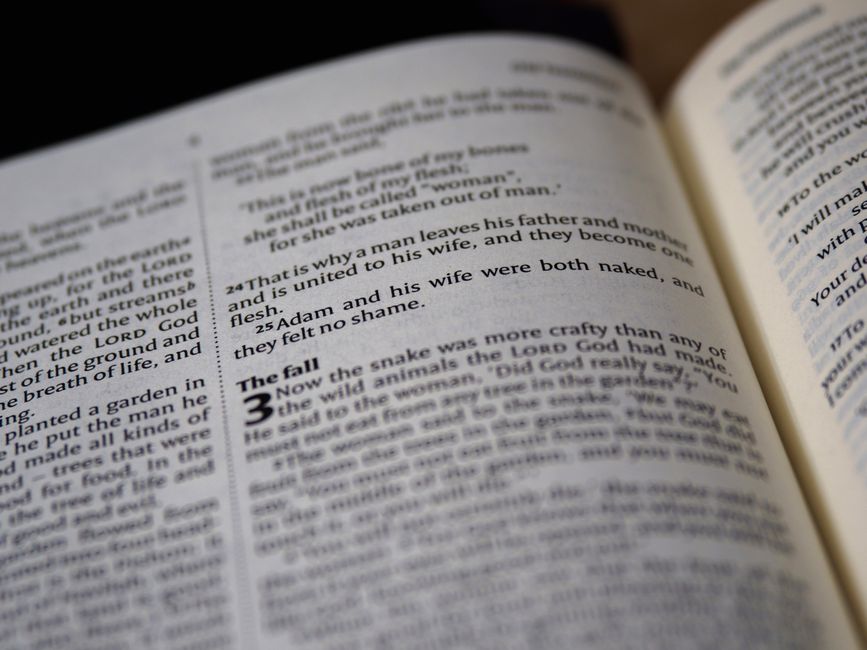
Welcome to this in-depth study of Isaiah 35, a magnificent chapter of hope that serves as the grand finale to the “Book of Woes” (Isaiah 28–34). Together, we will explore the transformative power of God’s restoration, the blossoming of the desert, and the ultimate highway of holiness that leads the redeemed into the presence of the Lord.
Isaiah 35 — Historical and Spiritual Context
Isaiah 35 was written by the prophet Isaiah, likely during the reign of Hezekiah, as a prophetic counterpoint to the judgment pronounced upon Edom and the nations in the preceding chapters. While chapters 28 through 34 detail the crushing weight of divine judgment against human pride and rebellious kingdoms, chapter 35 shifts dramatically to a vision of glorious restoration. It serves as an eschatological promise, offering comfort to a remnant that would eventually face the Babylonian exile, while pointing forward to the ultimate renewal of all things under the Messiah. You can read Isaiah 35 on Bible Gateway to ground your heart in the text.
Theologically, this chapter is a bridge between temporal deliverance and eternal salvation, serving as a beacon of hope for the weary believer. It teaches us that God’s character is not merely one of judgment, but of life-giving transformation, where the “desert” of our current trials is destined to blossom as the rose. For the modern Christian, it acts as a reminder that no matter how barren or desolate our circumstances may seem, the presence of God carries the promise of refreshing water, healing, and a straight path to Zion.

Verse-by-Verse Commentary on Isaiah 35
Isaiah 35:1 — Meaning and Explanation
“The wilderness and the solitary place shall be glad for them; and the desert shall rejoice, and blossom as the rose.”
Isaiah 35:1 introduces a radical transformation where the barren, cursed earth experiences a supernatural renewal that mirrors the joy of the redeemed. The Hebrew word for “wilderness” is midbar (Strong’s H4057), often signifying a place of testing, yet here it is personified as a participant in the joy of God’s people. The “rejoicing” is not merely poetic; it signifies the undoing of the curse of sin that has plagued the creation since the Fall.
Spiritually, this verse assures us that God is the God of the impossible. Just as He can cause a desolate desert to bloom, He can bring life to the “desert” places of our souls—our seasons of dry prayer, spiritual burnout, or emotional despair. When the Lord moves in the life of His people, the transformation is so profound that even our surroundings reflect His glory.
Isaiah 35:3 — Meaning and Explanation
“Strengthen ye the weak hands, and confirm the feeble knees.”
This verse serves as a divine mandate for the community of faith to engage in mutual encouragement and pastoral care. The “weak hands” represent our inability to work or defend ourselves, while “feeble knees” (Strong’s H3766, kashal) suggest a lack of stability and courage to move forward. The command to “strengthen” is an imperative, reminding us that we are not meant to walk the Christian life in isolation.
In a pastoral context, this is the essence of the Body of Christ. When a brother or sister is overwhelmed by the weight of their burdens, we are called to be the instruments of God’s confirmation. We provide strength through prayer, the speaking of truth, and practical acts of service, helping the weary to stand upright again to continue their journey on the path of righteousness.

Isaiah 35:5 — Meaning and Explanation
“Then the eyes of the blind shall be opened, and the ears of the deaf shall be unstopped.”
This verse provides a clear messianic marker that Jesus Christ Himself cited when answering the disciples of John the Baptist. It speaks to the restoration of spiritual and physical wholeness, using the Hebrew word pachach (or related roots for opening eyes) to signify the removal of the veil that hinders perception. To be “unstopped” (Strong’s H6605, pathach) means to be loosened or liberated from the silence that keeps one from hearing the voice of God.
Historically, this was a sign that the Messianic Age had arrived. Spiritually, it signifies the work of the Holy Spirit in the life of the believer. Before salvation, we are blind to the beauty of the Gospel and deaf to the promptings of the Spirit. God’s grace acts as a divine surgeon, opening our spiritual senses so that we may perceive the reality of His Kingdom.
Isaiah 35:8 — Meaning and Explanation
“And an highway shall be there, and a way, and it shall be called The way of holiness; the unclean shall not pass over it; but it shall be for those: the wayfaring men, though fools, shall not err therein.”
The “highway” described here is a protected, elevated path—the maslul (Strong’s H4546)—designed specifically for the redeemed. It is called “The way of holiness,” implying that the path itself is set apart for God’s use. It is so distinct and clearly marked by the grace of God that even those who might consider themselves simple or “fools” in the eyes of the world will not lose their way.
This is a beautiful promise of accessibility. The holiness required to walk with God is not a standard we reach by our own intellect or effort, but a path provided by Christ. Because He is the Way, the Truth, and the Life, the journey of sanctification is made clear for every believer, regardless of their worldly status or wisdom.

How to Apply Isaiah 35 in Your Daily Life
Applying the truths of Isaiah 35 in a modern context requires a shift in perspective. When you face professional burnout or a “dry season” at work, view it not as a dead end, but as a wilderness waiting to blossom. Practice the command in verse 3 by actively seeking out a colleague or family member who seems discouraged. A simple word of encouragement or a prayer offered over a coffee break can provide the “strength” to someone else’s “feeble knees,” turning a stressful environment into a space of grace.
In your spiritual walk, remember that you are traveling on the “way of holiness.” When you feel like you are failing or making mistakes, lean into the promise of verse 8. You do not need to be a theological scholar to stay on the path; you simply need to stay close to the Shepherd. If you find yourself distracted by the noise of the world, take time to “unstop” your spiritual ears through daily Scripture meditation, trusting that God is the one who opens your eyes to see His hand in your daily life.
A Prayer Based on Isaiah 35
Guided Scriptural Prayer
Heavenly Father, I thank You for the promise that even in my wilderness, You are at work to bring forth life and beauty. Lord, I ask that You would strengthen my hands and confirm my feeble knees whenever I feel overwhelmed by the burdens of this life. Please open my eyes to see Your wonders and unstop my ears to hear Your still, small voice, that I might walk confidently on the Way of Holiness. May my life be a testimony to Your restoring power, just as the desert blossoms in Your presence. I place my journey into Your hands, trusting that You will lead me home to Zion. In Jesus’ name, Amen.
Frequently Asked Questions About Isaiah 35
What is the main message of Isaiah 35?
The main message of Isaiah 35 is the triumphant restoration of God’s people and the creation itself. It serves as a prophecy of comfort, declaring that God will return to save His people, reversing the effects of the curse. The chapter highlights the transformation of the wilderness into a garden, the healing of the infirm, and the establishment of a “way of holiness” that leads the redeemed into everlasting joy. It is a vision of the Messianic age where God’s presence turns sorrow into singing and brings His children safely home to Zion.
How does Isaiah 35 relate to the New Testament?
Isaiah 35 is directly linked to the ministry of Jesus Christ. In Matthew 11:5, Jesus points to the fulfillment of Isaiah 35:5-6 when He tells the disciples of John the Baptist to report that the blind see, the lame walk, and the deaf hear. Furthermore, the “way of holiness” mentioned in verse 8 is fulfilled in Jesus, who identifies Himself as “the way” (John 14:6). The imagery of the redeemed walking with “everlasting joy” (verse 10) finds its ultimate completion in the New Jerusalem described in the Book of Revelation.
What does “The way of holiness” mean in Isaiah 35:8?
“The way of holiness” refers to a sanctified path provided by God for His people to return to Him. It is a road that is separated from the “unclean” ways of the world, meaning it is a path of purity and dedication to God. Because it is a path forged by God’s grace, it is accessible to all the redeemed—even those who are humble or “fools” by worldly standards. It represents the journey of sanctification where the believer, empowered by the Holy Spirit, walks in obedience and increasing likeness to Christ until they reach their eternal home.
May the light of these ancient promises illuminate your path today and fill your heart with the joy of the Lord.