
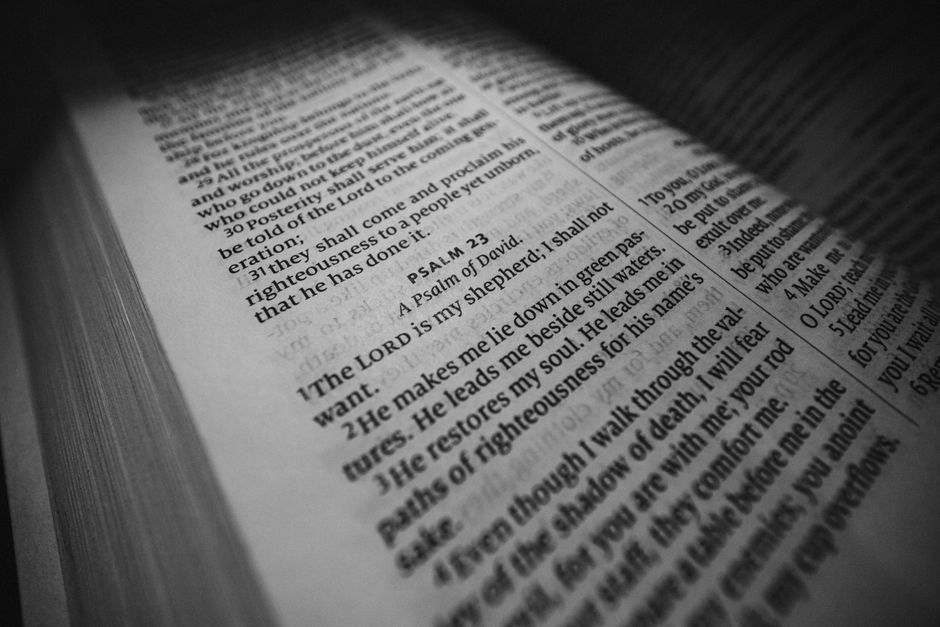
Welcome to this deep dive into the wisdom of the Psalter. In our study of Psalm 127, we will uncover the profound necessity of divine dependence, exploring how the Lord’s hand must be the foundation of our work, our rest, and our family life.
Psalm 127 — Historical and Spiritual Context
Psalm 127 is traditionally attributed to King Solomon, indicated by the superscription “A Song of degrees for Solomon.” As a “Song of Ascents” (part of the collection from Psalm 120 to 134), it was likely sung by pilgrims traveling to Jerusalem for the sacred feasts. Solomon, having been granted unparalleled wisdom by God, uses this psalm to reflect on the vanity of human effort when it is disconnected from the sovereignty of the Creator. You can read Psalm 127 on Bible Gateway to familiarize yourself with the text.
The overarching theological theme of this psalm is the absolute necessity of God’s blessing in every facet of human endeavor. In a world characterized by “hustle culture” and self-reliance, this chapter serves as a radical counter-cultural manifesto. It teaches the believer that while labor is necessary, it is entirely futile without the Lord’s active involvement. Whether it is the building of a house, the protection of a city, or the raising of children, the psalm reminds us that we are not the primary architects of our success; rather, we are stewards of God’s grace.
Verse-by-Verse Commentary on Psalm 127
Psalm 127:1 — Meaning and Explanation
“Except the LORD build the house, they labour in vain that build it: except the LORD keep the city, the watchman waketh but in vain.”
The first verse of Psalm 127 serves as the foundational thesis for the entire chapter, asserting that human effort is useless without divine sanction. The Hebrew word for “labour” here is *amal* (Strong’s H5999), which implies toil, wearisome effort, and grievous work. Solomon is not suggesting that we should be idle, but rather that we should not be anxious or self-dependent.
The metaphor of the “house” and the “city” speaks to the two pillars of ancient society: the home and the state. If the Lord is not the architect (the one who designs and sustains), then the builders are merely stacking stones that will eventually crumble. Similarly, the “watchman” (Strong’s H8104, *shamar*) who stays awake all night is ineffective if the Lord is not the true guardian. This verse calls us to move from a posture of striving to a posture of surrender.

Psalm 127:2 — Meaning and Explanation
“It is vain for you to rise up early, to sit up late, to eat the bread of sorrows: for so he giveth his beloved sleep.”
This verse addresses the modern epidemic of overwork and stress. Solomon describes the cycle of “rising early” and “sitting up late,” which characterizes the person who believes that their productivity is solely a result of their own waking hours. The phrase “bread of sorrows” suggests the anxiety that accompanies those who place their security in their own hands rather than in the providence of God.
The beautiful contrast here is that God “giveth his beloved sleep.” The Hebrew word for sleep, *shena* (Strong’s H8142), implies a state of rest that is a gift from the Almighty. When we trust that God is the one building our house, we are liberated from the need to carry the world on our shoulders. Sleep becomes an act of faith, a declaration that God is at work even while we rest.
Psalm 127:3 — Meaning and Explanation
“Lo, children are an heritage of the LORD: and the fruit of the womb is his reward.”
Transitioning from the work of our hands to the fruit of our lives, Solomon identifies children as a divine blessing rather than a burden. The word “heritage” (*nachalah*, Strong’s H5159) suggests an inheritance or a possession passed down. By calling children a “heritage of the LORD,” the psalmist reminds parents that their children belong to God first.
In the ancient Near Eastern context, children were the primary security for the elderly. By labeling them a “reward” (*sakar*, Strong’s H7939), Solomon challenges the secular view that children are merely an economic liability. Spiritually, this verse teaches that the legacy we leave behind is a gift from heaven, requiring us to raise our children with the understanding that they are stewards of God’s grace.

Psalm 127:5 — Meaning and Explanation
“Happy is the man that hath his quiver full of them: they shall not be ashamed, but they shall speak with the enemies in the gate.”
The final verse of the psalm uses the imagery of a “quiver” full of arrows to illustrate the impact of a strong, God-fearing family. In antiquity, the “gate” was the place of legal judgment and public discourse. To have one’s children “speak with the enemies in the gate” suggests that a family raised in the fear of the Lord provides a robust defense against the moral and spiritual adversaries of the culture.
The word “happy” (*esher*, Strong’s H835) implies a state of blessedness or being “right” with God. When our families are built on the foundation of verse 1, they become our greatest strength. This is not about the quantity of children, but the quality of their character, prepared by God to stand firm in a world that often opposes the truth.
How to Apply Psalm 127 in Your Daily Life
Applying Psalm 127 begins with a radical shift in your morning routine. Instead of waking up and immediately checking emails or worrying about your “to-do” list, start by confessing that the Lord is the architect of your day. For instance, if you are working on a high-pressure project, pray for God’s guidance and then intentionally set boundaries for your rest. By choosing to sleep rather than obsess over work, you are physically manifesting your faith that God is the true maintainer of your career.
In family life, view your interactions with your children or loved ones through the lens of stewardship. When you encounter a difficult day with family members, remind yourself that they are a “heritage of the LORD.” This perspective changes your tone, your patience, and your priorities. Rather than managing your family like a business, lead them like a shepherd, knowing that God is the one who ultimately builds their character and future.
A Prayer Based on Psalm 127
Guided Scriptural Prayer
Heavenly Father, I confess that I have often built my life with my own strength, forgetting that unless You are the architect, my efforts are in vain. Please forgive my anxiety and my constant struggle to control outcomes that belong only to You. I place my work, my home, and my family into Your hands, trusting that You are the true Builder and Keeper. Thank You for the gift of sleep and the reminder that You sustain me even when I am at rest. May my life be a testimony of Your grace, as I seek to honor You in all that I do. Amen.
Frequently Asked Questions About Psalm 127
What is the main message of Psalm 127?
The main message of Psalm 127 is that human effort, no matter how intense, is ultimately futile unless it is centered on the sovereignty and blessing of God. Solomon teaches that God is the true builder of our homes, the protector of our cities, and the source of our children. The psalm serves as a corrective to self-reliance, encouraging believers to move from a life of frantic, anxious labor to one of trusting rest in God’s providence. It emphasizes that while we must participate in life, the success of our endeavors rests solely in the hands of the Lord.
Who wrote Psalm 127 and why?
Psalm 127 is attributed to King Solomon in the superscription. As the wisest king of Israel, Solomon had experienced the heights of worldly success, building the great Temple and expanding the kingdom. Yet, he understood that without God’s favor, all these structures would be meaningless. He wrote this psalm to instruct the people of Israel—and future generations—that true security and blessing do not come from human ingenuity or military might, but from a humble dependence on the Lord. It is a song of wisdom designed to remind pilgrims that God is the ultimate provider.
What does “they shall speak with the enemies in the gate” mean in Psalm 127:5?
In ancient Israelite society, the “gate” of a city was the center of public life, judicial proceedings, and community influence. To “speak with the enemies in the gate” refers to the ability to stand firm in truth and justice when challenged by those who oppose righteousness. It suggests that a family raised in the fear of the Lord produces individuals who have the moral courage and spiritual wisdom to defend the truth in the public square. It is a metaphor for the lasting impact and defensive strength that a godly heritage provides in the face of worldly opposition.
May the peace of the Lord, which surpasses all understanding, guard your heart and mind as you walk in His wisdom today.