

Welcome to this deep-dive study into one of the most beautiful “Songs of Ascents” in the Psalter. In our time together, we will explore the profound connection between the fear of the Lord and the blessings of a well-ordered life, discovering how God’s promises in Psalm 128 offer a blueprint for domestic peace and spiritual prosperity.
Psalm 128 — Historical and Spiritual Context
Psalm 128 belongs to the collection known as the “Songs of Ascents” (Psalms 120–134), which were likely sung by Jewish pilgrims as they traveled to Jerusalem for the three annual feasts. While the authorship remains anonymous, the tone reflects the wisdom literature tradition, echoing themes found in Proverbs regarding the covenantal relationship between obedience to God and temporal, earthly blessing. You can read Psalm 128 on Bible Gateway to ground yourself in the text before we proceed.
The overarching theological theme of Psalm 128 is that true prosperity is not found in autonomy, but in a submissive, reverent “fear” of the Lord. For the modern believer, this chapter serves as a vital reminder that our personal spiritual health is the foundation upon which our families, our work, and our communities are built. It teaches us that the “blessed life” is not a product of our own striving, but a gracious byproduct of walking in the ways of the Almighty.
Verse-by-Verse Commentary on Psalm 128
Psalm 128:1 — Meaning and Explanation
“Blessed is every one that feareth the LORD; that walketh in his ways.”
This verse establishes the foundational requirement for the blessings promised throughout the psalm: the fear of the Lord. In Hebrew, the word for “blessed” is ‘esher (Strong’s H835), which denotes a state of being “happy” or “enviable.” It is not merely a fleeting emotion, but an objective standing of favor granted to those who orient their lives around God’s holiness.
The “fear of the LORD” (yare’, Strong’s H3372) is not a cowering, servile terror, but a reverential awe that dictates one’s behavior. To “walk in his ways” implies a habitual, ongoing lifestyle of conformity to God’s revealed will. Matthew Henry notes that this fear is the “root” of all true religion; without it, our outward actions are merely empty rituals. The spiritual lesson here is clear: the path to a blessed life begins not with “getting,” but with “fearing.”

Psalm 128:2 — Meaning and Explanation
“For thou shalt eat the labour of thine hands: happy shalt thou be, and it shall be well with thee.”
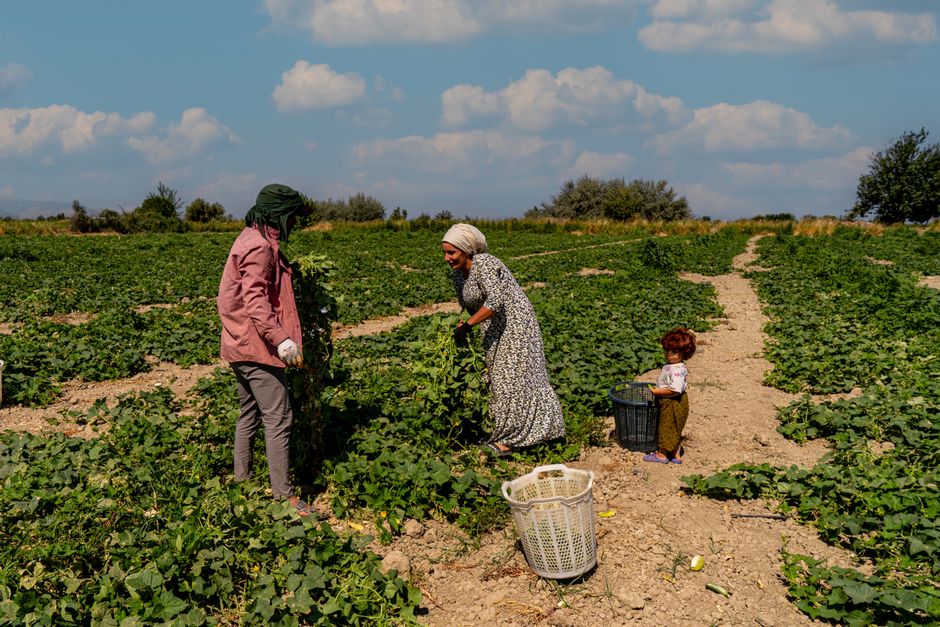
This verse addresses the promise of provision and the dignity of labor, assuring the faithful that their work will yield tangible fruit. In an agrarian society, “eating the labour of thine hands” was the highest sign of divine favor, signifying that one’s toil was not in vain, nor stolen by enemies or destroyed by famine. It speaks to the blessing of sustainability and personal agency.
The phrase “it shall be well with thee” (tob, Strong’s H2896) encompasses a holistic view of welfare—physical, emotional, and spiritual. In the original Hebrew, this promise suggests a life that is “good” or “pleasant” in the eyes of God. For the modern Christian, this serves as a promise that when we prioritize our walk with God, He creates a framework where our efforts in our careers and vocations carry His blessing and purpose.
Psalm 128:3 — Meaning and Explanation
“Thy wife shall be as a fruitful vine by the sides of thine house: thy children like olive plants round about thy table.”
This verse paints a vivid domestic portrait of prosperity using the metaphors of a vine and olive plants. The “fruitful vine” (gephen, Strong’s H1612) represents the wife as the source of life, comfort, and beauty within the home. In the arid climate of Israel, a vine growing against the house provided both shade and sustenance, symbolizing the wife’s nurturing role.
“Olive plants” (zayith, Strong’s H2132) are significant because they were slow to mature but long-lasting and incredibly valuable. To have them “round about thy table” suggests a home characterized by fellowship, unity, and generational continuity. The spiritual lesson is that the family unit, when centered on the fear of the Lord, becomes a garden of grace. It reminds us that our primary ministry is often the nurture and cultivation of the souls within our own homes.

Psalm 128:4 — Meaning and Explanation
“Behold, that thus shall the man be blessed that feareth the LORD.”
This verse acts as the concluding summary, emphasizing that the previously mentioned blessings are the standard outcome for the one who lives in holy reverence. The Hebrew particle hinneh (“Behold,” Strong’s H2009) is used here to call the reader to pay close attention. It is as if the Psalmist is saying, “Look at this life; observe how God keeps His word.”
The repetition of “feareth the LORD” links back to the first verse, creating an inclusio—a literary device that brackets the psalm with the same theme. This emphasizes that the fear of the Lord is not just the starting point, but the constant atmosphere of the blessed life. For the believer, this is a call to anchor our identity in our relationship with God rather than our circumstances. When we fear Him, we find that our lives are built upon a foundation that cannot be shaken.
How to Apply Psalm 128 in Your Daily Life
Applying Psalm 128 begins by shifting your perspective on “success” from the world’s metrics to God’s. In your daily work, strive to perform your tasks with integrity, knowing that your labor is a way of honoring God. When you face professional frustration or burnout, remember that you are working for the Lord, and invite Him into your workspace through prayer before you begin your day. This transforms your “labor” from a burden into an act of worship.
Within your home, intentionality is key. Whether you are married or single, “cultivating your vine” means investing time and emotional energy into your relationships. If you have children, the image of “olive plants around the table” challenges you to prioritize family meals as a sacred space for conversation, prayer, and discipleship. Instead of rushing through dinner, use this time to build a table culture where the fear of the Lord is discussed naturally, turning your home into a place of refuge and spiritual growth.
A Prayer Based on Psalm 128
Guided Scriptural Prayer
Heavenly Father, I humble myself before You today, desiring to walk in the holy fear that brings true blessing. Thank You for the promise that when I honor You, my labor and my family are held in Your loving hands. Please guide my feet as I walk in Your ways, that my life might reflect Your goodness to everyone I meet. May my home be a sanctuary of peace, and my work be a testament to Your grace. Let me always find my deepest joy in Your presence, for You are my ultimate reward. Amen.
Frequently Asked Questions About Psalm 128
What is the main message of Psalm 128?
The main message of Psalm 128 is that a life of true, lasting happiness and prosperity is found exclusively through the “fear of the Lord.” Unlike worldly definitions of success, which often focus on wealth or status, this psalm defines the blessed life as one that is marked by obedience, productive work, and healthy, nurturing family relationships. It teaches that when a person aligns their life with God’s ways, their domestic sphere and their daily toil become conduits of divine favor. You can further explore this concept on Blue Letter Bible.
Who wrote Psalm 128 and why?
Psalm 128 is an anonymous “Song of Ascents.” While we do not have a specific author’s name, it is widely believed to have been written during or after the Babylonian exile, intended for pilgrims traveling to Jerusalem for the major festivals. The “why” is rooted in the need to instruct God’s people on how to live godly lives amidst a culture that did not know Him. It served as a reminder to the pilgrims that their national restoration was dependent upon their individual and familial commitment to the covenantal fear of the Lord.
What does “eating the labour of thine hands” mean in Psalm 128:2?
“Eating the labour of thine hands” is a Hebrew idiom signifying the enjoyment of the fruits of one’s own efforts. In the ancient world, it was a common curse to toil in a field only to have an invading army or a famine destroy the crop. Therefore, to eat one’s own labor implies security, divine protection, and the ability to enjoy the provisions God has granted. It is a promise of stability—that God will not only bless the work we do but also grant us the health and peace to enjoy the results of that work.
May the peace of the Lord be with you as you meditate on these truths and walk in His ways today and always.