
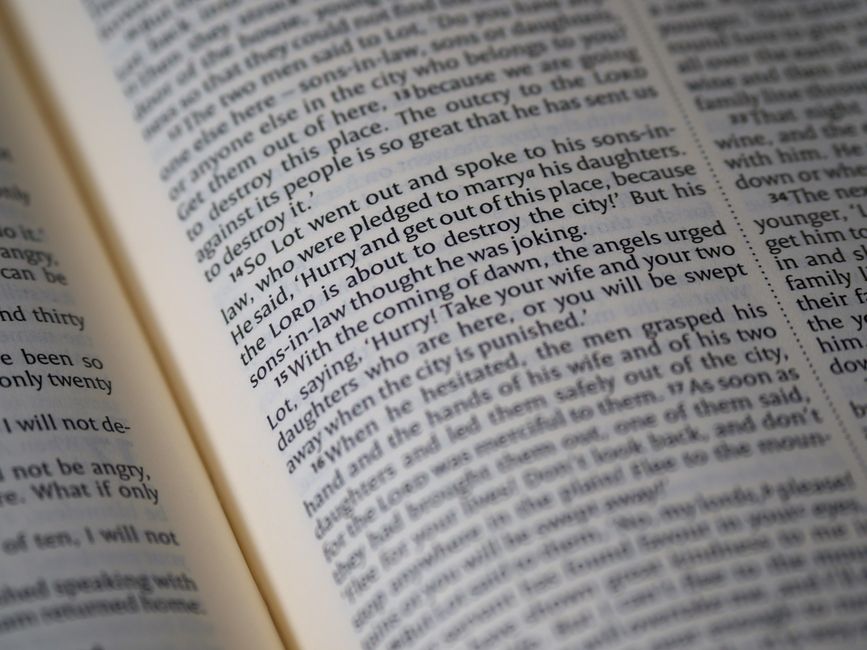
Welcome to this deep dive into the prophetic grandeur of Isaiah chapter 45. In this study, we will uncover the mysteries of God’s sovereignty, the calling of Cyrus the Great, and the profound comfort found in knowing that our Creator is the ultimate architect of human history.
Isaiah 45 — Historical and Spiritual Context
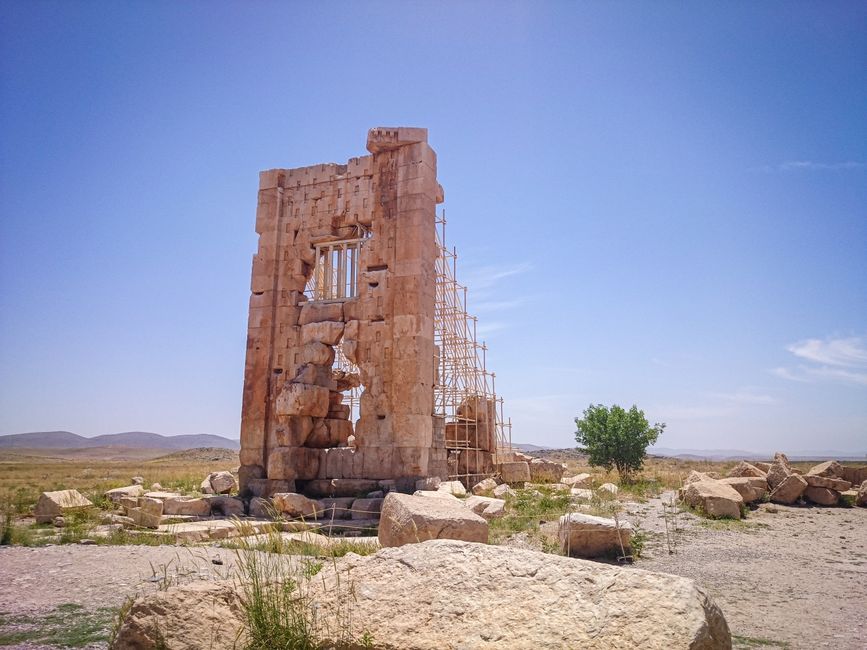
Isaiah 45 serves as a stunning prophetic bridge between the judgment of the Babylonian exile and the future restoration of Israel. Written by the prophet Isaiah around 700 B.C., this chapter addresses the Jewish captives who would later suffer under Babylon, naming the Persian king Cyrus—who would not be born for another 150 years—as the “anointed” instrument chosen by God to liberate His people and facilitate the rebuilding of the Jerusalem temple. You can read Isaiah 45 on Bible Gateway to ground yourself in the text before we proceed.
The overarching theological theme of this chapter is the absolute, unchallengeable sovereignty of Yahweh over all nations, rulers, and the physical elements of the universe. For the modern believer, Isaiah 45 provides a bedrock of security in a chaotic world, reminding us that even secular leaders and global events are subject to the purposes of the Almighty. It teaches us that God uses the “unlikely” to accomplish His “holy” plans, inviting us to trust His providence even when the path forward seems shrouded in darkness.
Verse-by-Verse Commentary on Isaiah 45
Isaiah 45:1 — Meaning and Explanation
**”Thus saith the LORD to his anointed, to Cyrus, whose right hand I have holden, to subdue nations before him; and I have loosed the loins of kings, to open before him the two leaved gates; and the gates shall not be shut;”**
This verse highlights the shocking declaration that God calls a pagan king, Cyrus, His “anointed” (Hebrew: *mashiyach*, Strong’s H4899). While this word is usually reserved for the high priests or the Davidic kings of Israel, here it describes Cyrus as a vessel for God’s redemptive purpose. The “right hand” represents divine empowerment, suggesting that Cyrus’s military success was not by his own strength, but by the direct intervention of Jehovah.
The imagery of “loosing the loins of kings” refers to the removal of their strength and armor, rendering them defenseless. The “two leaved gates” refers to the massive, impregnable bronze gates of Babylon that Cyrus famously bypassed by diverting the Euphrates River. This teaches us that no barrier—whether it be a physical obstacle, a political regime, or a personal trial—is strong enough to hold back the sovereign decree of the Lord when He moves to deliver His people.
Isaiah 45:5 — Meaning and Explanation
**”I am the LORD, and there is none else, there is no God beside me: I girded thee, though thou hast not known me:”**
This verse serves as the theological centerpiece of the chapter, asserting the doctrine of strict monotheism against the polytheistic backdrop of the ancient Near East. The Hebrew name for God here is *Yahweh*, the covenant-keeping God of Israel. When God says, “I girded thee,” He uses the verb *azar* (Strong’s H2296), meaning to equip or strengthen for battle. It is a profound mystery: God actively equips a man who does not yet know Him to accomplish a divine task.
For the believer, this is a source of immense comfort. It affirms that God is working in the lives of those who do not yet acknowledge Him. Even in the secular spheres of government, science, or business, God is the “hidden hand” directing the course of history. We are reminded that our recognition of God does not dictate His sovereignty; He is God regardless of our acknowledgment, but our acknowledgment of Him brings us into the light of His truth.
Isaiah 45:7 — Meaning and Explanation
**”I form the light, and create darkness: I make peace, and create evil: I the LORD do all these things.”**
This verse is often misunderstood, yet it is essential for understanding the biblical view of God’s total control over the created order. The word “evil” here is the Hebrew *ra* (Strong’s H7451), which in this context refers to “calamity,” “adversity,” or “disaster,” rather than moral sin. Isaiah is contrasting *shalom* (peace/well-being) with the disruptions and hardships of life.
Historically, this was a direct polemic against the dualistic religion of the Persians (Zoroastrianism), which taught that there were two equal, opposing gods—one of light/good and one of darkness/evil. Isaiah clarifies that there is only one God, and He is over everything. In our lives, this means that even our “dark” seasons, our struggles, and our calamities are not outside of God’s jurisdiction. He is the author of our circumstances, using both the light and the dark to refine our character and fulfill His ultimate purpose.

Isaiah 45:22 — Meaning and Explanation
**”Look unto me, and be ye saved, all the ends of the earth: for I am God, and there is none else.”**
This is the great gospel invitation of the Old Testament. The command to “look” (Hebrew: *panah*, Strong’s H6437) conveys the idea of turning one’s gaze away from idols, self, or circumstances and fixing it entirely upon the Lord. It is a call to repentance and faith. The scope is universal—”all the ends of the earth”—which anticipates the New Testament commission to take the gospel to every nation.
The lesson here is one of simplicity and sufficiency. Salvation is not found in complex rituals or human effort; it is found in the act of looking toward the Savior. Just as the Israelites in the wilderness were saved by looking at the bronze serpent (Numbers 21:9), we are saved by looking at Christ, who was lifted up on the cross. It is a reminder that the same God who commands the stars and directs the kings of the earth is the same God who invites us personally to find our rest in Him.
How to Apply Isaiah 45 in Your Daily Life
Applying Isaiah 45 begins with a radical shift in perspective regarding your “control” over your life. When you face professional uncertainty or a difficult workplace environment, remember that just as God directed Cyrus, He is directing the hearts of your superiors and the trajectory of your industry. Instead of reacting with anxiety, practice the discipline of “looking unto Him,” acknowledging His sovereignty in your morning prayer. This transforms your work from a place of stress into a mission field where you serve the ultimate King.
In your family life, this chapter provides a balm for the weary parent or spouse. When you feel that your circumstances—whether financial struggle or family conflict—are overwhelming, remember that God creates both the light and the dark. He is not surprised by the “dark” patches in your marriage or the rebellion of a child. By trusting that He is working a larger plan, you can model a calm, steady faith. Teach your children that God is the author of history, and because He holds the future, they can face their fears with courage rather than cowering before the “gates” of the world.
A Prayer Based on Isaiah 45
Guided Scriptural Prayer
Heavenly Father, I stand in awe of Your absolute sovereignty over the nations and the intimate details of my own life. Just as You called Cyrus by name, I thank You for calling me to be Your own. When I face the “dark” seasons of life, help me to remember that You are the Creator of all things and that nothing happens outside of Your providential care. I turn my eyes away from the distractions of this world and fix my gaze upon You, my only Savior. May I walk in the confidence that You are working all things together for my good and Your glory. Amen.
Frequently Asked Questions About Isaiah 45
What is the main message of Isaiah 45?
The main message of Isaiah 45 is the absolute sovereignty of the one true God over all human history, politics, and the natural world. By prophesying the rise of Cyrus the Great, God demonstrates that He controls the actions of secular rulers to accomplish His holy purposes for His people. The chapter serves as a theological declaration that there is no power, no god, and no circumstance that can rival the Lord. It concludes with a universal invitation for all people, not just the Israelites, to turn to Him for salvation, affirming that He alone is the Creator and Redeemer.
Why does Isaiah call Cyrus the “anointed” in Isaiah 45:1?
Isaiah uses the term “anointed” (Hebrew: *mashiyach*) to describe Cyrus because he was uniquely set apart and empowered by God to execute a specific divine mission: the liberation of the Jewish people from Babylonian captivity. While this term is typically associated with the kings of Israel or the future Messiah, its use here underscores that God is the supreme authority who “anoints” or commissions anyone He chooses to fulfill His will. Cyrus did not need to be a believer to be a vessel for God’s providence; his role was to act as the instrument of restoration for the covenant people.
What does “I make peace, and create evil” mean in Isaiah 45:7?
In the context of Isaiah 45:7, the word “evil” refers to calamity, hardship, or judgment rather than moral wickedness or sin. The prophet is using a literary device called a merism—stating two opposites to describe the whole. By claiming to create both light and darkness, peace and calamity, God is asserting that He is the sole Sovereign over the entirety of existence. He is not suggesting that He is the author of sin, but rather that He is in control of all outcomes, including the difficult and painful experiences of life, which He uses for His divine purposes.
May the peace of the Lord, who directs the stars and the hearts of kings, fill your heart with unshakable hope today.