
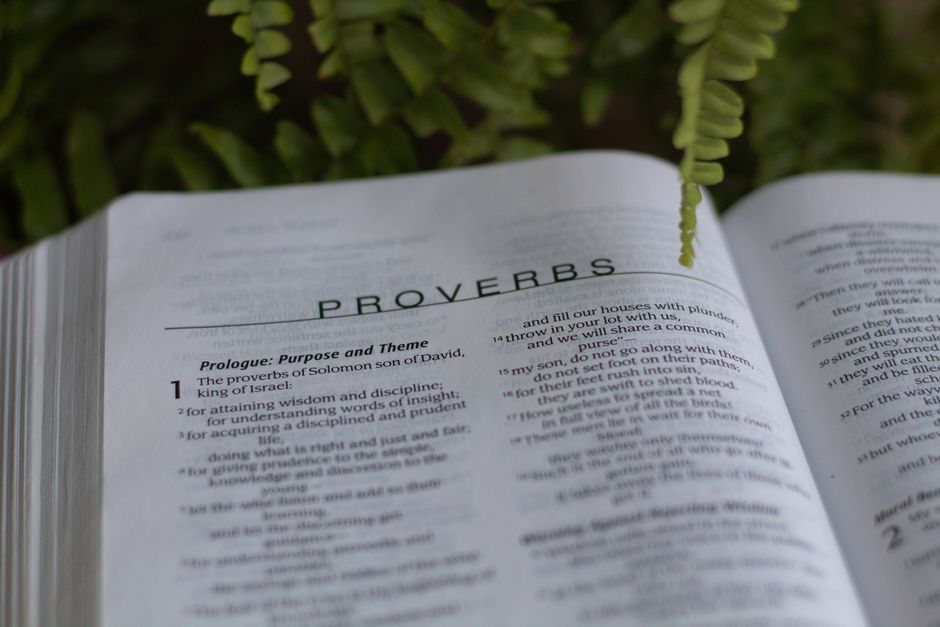
Welcome to this deep dive into the second chapter of the book of Nehemiah. As we explore this sacred text, we will uncover the profound intersection of divine providence and human responsibility, learning how God prepares a leader for a task of monumental significance.
Nehemiah 2 — Historical and Spiritual Context
Nehemiah 2 occurs approximately 445 B.C., during the reign of Artaxerxes I of Persia. Nehemiah, the king’s cupbearer, receives devastating news regarding the ruined walls of Jerusalem. This chapter captures his transition from a position of comfort in the palace to the front lines of restoration in the holy city. You can read Nehemiah 2 on Bible Gateway to ground yourself in the narrative.
The theological significance of Nehemiah 2 lies in the demonstration of “sanctified planning.” It reveals that prayer is not a substitute for action, but the fuel for it. For the modern believer, this chapter serves as a blueprint for responding to the “broken walls” in our own lives, families, and communities through faith, discernment, and courage.

Verse-by-Verse Commentary on Nehemiah 2
Nehemiah 2:4 — Meaning and Explanation
“Then the king said unto me, For what dost thou make request? So I prayed to the God of heaven.”
This verse captures the quintessential “arrow prayer”—a split-second petition offered in the heat of a high-stakes moment. Nehemiah stands before the most powerful monarch on earth, yet his primary allegiance is to the King of kings. This demonstrates that prayer is not always a lengthy process; it is an orientation of the heart.
The Hebrew word for “prayed” here is palal (Strong’s H6419), which carries the nuance of interceding or making a judgment. Nehemiah was essentially asking God to intervene in the king’s heart. This teaches us that before we address the “kings” or authorities in our lives, we must first address the throne of God. It is a lesson in spiritual readiness.
Nehemiah 2:12 — Meaning and Explanation
“And I arose in the night, I and some few men with me; neither told I any man what my God had put in my heart to do at Jerusalem: neither was there any beast with me, save the beast that I rode upon.”
Nehemiah’s midnight inspection reveals the importance of discretion and personal conviction. Before he could cast a vision to the people, he had to survey the reality of the damage himself. He operated under the conviction that the burden for the work was something God had uniquely placed in his heart.
The Hebrew word for “heart” is leb (Strong’s H3820), representing the inner man, the seat of thought and intention. Nehemiah’s actions were not merely a political mission; they were a spiritual calling. By keeping his intentions private until the right moment, he avoided premature opposition and ensured he was led by divine revelation rather than human opinion.

Nehemiah 2:17 — Meaning and Explanation
“Then said I unto them, Ye see the distress that we are in, how Jerusalem lieth waste, and the gates thereof are burned with fire: come, and let us build up the wall of Jerusalem, that we be no more a reproach.”
In this verse, Nehemiah transitions from a solitary burden to a communal mission. He identifies the “distress”—the Hebrew word ra’ah (Strong’s H7451), meaning adversity or calamity—and calls the people to collective action. He connects their current shame (the “reproach”) to the physical state of their city.
The spiritual lesson here is that vision must be clearly articulated to motivate others. Nehemiah did not sugarcoat the reality of the ruins; he faced them head-on. By framing the rebuilding as a way to remove their “reproach,” he shifted their focus from their current misery to a future of restoration and honor.
Nehemiah 2:20 — Meaning and Explanation
“Then answered I them, and said, The God of heaven, he will prosper us; therefore we his servants will arise and build: but ye have no portion, nor right, nor memorial, in Jerusalem.”
This is the climax of Nehemiah’s defense against his detractors, Sanballat and Tobiah. He makes a clear distinction: the work belongs to God, and because it is God’s work, it will succeed. This is a bold declaration of faith in the face of mockery and intimidation.
The word “prosper” comes from the Hebrew tsalach (Strong’s H6743), which means to push forward or break through. Nehemiah is not claiming personal success, but divine breakthrough. This reminds the believer that when we are doing God’s work, the outcome is secured by His sovereignty, regardless of the opposition we face from the world.

How to Apply Nehemiah 2 in Your Daily Life
Applying the lessons of Nehemiah 2 begins with identifying the “ruins” in your own sphere of influence. Perhaps your marriage feels like a broken wall, or your workplace culture is characterized by cynicism rather than productivity. Like Nehemiah, you must first sit with the burden and pray. Do not rush to fix things out of panic; seek the Lord’s timing through consistent, intentional prayer.
Once the vision is clear, move into action with discernment. Nehemiah did not announce his plans to everyone; he surveyed the situation quietly. Similarly, apply wisdom in your professional or family life—know when to speak and when to prepare. When you face opposition, as Nehemiah did, stand firm in the knowledge that your efforts are tied to God’s purpose. Rely on the “God of heaven” to grant you favor in your meetings, your parenting, and your ministry.
A Prayer Based on Nehemiah 2
Guided Scriptural Prayer
Heavenly Father, I come before You acknowledging that the burdens I carry are often placed there by Your hand, just as You placed the burden for Jerusalem in Nehemiah’s heart. Grant me the grace to offer “arrow prayers” in the midst of my daily pressures, trusting that You are the King of heaven who hears me. Help me to survey the areas of my life that need restoration with honesty, courage, and clear vision. When I face opposition or mockery, remind me that because this is Your work, You will prosper it. May I be a faithful servant who arises and builds for Your glory. Amen.
Frequently Asked Questions About Nehemiah 2
What is the main message of Nehemiah 2?
The main message is that godly leadership requires a combination of deep prayer, careful planning, and bold action. Nehemiah shows us that when we are moved by the needs of others and the state of God’s work, we must transition from observation to implementation. By seeking God’s guidance in verse 4 and then courageously leading the people to rebuild in verse 17, Nehemiah demonstrates that spiritual passion must be paired with strategic, disciplined effort to achieve true restoration.
Who wrote Nehemiah and why?
While the book is named after Nehemiah, it is widely believed that he wrote the majority of the memoirs himself, with later editing possibly by Ezra or a contemporary scribe. He wrote these accounts to preserve the history of the post-exilic restoration of Jerusalem. The purpose was to testify to God’s faithfulness in fulfilling His promises to bring His people back from captivity and to provide a record of the rebuilding of the city walls against significant odds.
What does verse 20 mean in Nehemiah 2?
Nehemiah 2:20 is a statement of spiritual boundary and divine confidence. By telling the enemies (Sanballat, Tobiah, and Geshem) that they have “no portion” in Jerusalem, Nehemiah was asserting that the work of God is for those who are committed to His covenant. It emphasizes that the success of the project was not based on human strength or political alliances, but on the “God of heaven.” It is a powerful reminder that when we do God’s work, we must prioritize His approval over the opinions of those who oppose His kingdom.
May your study of this chapter embolden your spirit and strengthen your hands for the work God has set before you today.