
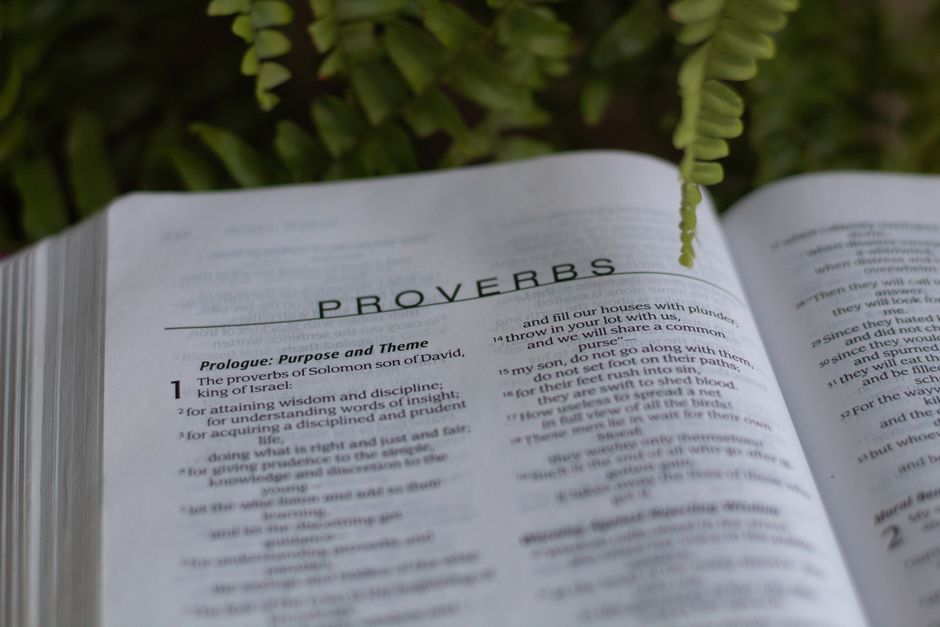
Welcome, dear reader, to this profound journey through the eighteenth chapter of the Gospel of John. As we traverse the garden of Gethsemane and the halls of Roman judgment, we will uncover the themes of divine sovereignty, the nature of truth, and the unwavering commitment of our Savior to the work of redemption.
John 18 — Historical and Spiritual Context
John 18 marks the beginning of the Passion Narrative, written by the Apostle John, likely in the late first century (c. 90–100 AD). It serves as a stark transition from the intimate “Upper Room Discourse” to the intense drama of the betrayal, arrest, and the initial trials of Jesus before the religious and secular authorities. You can read John 18 on Bible Gateway to ground yourself in the text before we proceed.
Theologically, this chapter is a masterpiece of divine irony and sovereignty. While the world sees a prisoner being led to his death, John reveals a King who is orchestrating the very events that will secure the salvation of humanity. For the modern believer, John 18 serves as a reminder that even when circumstances feel chaotic or unjust, Christ remains in absolute control, inviting us to trust in His finished work rather than our own fleeting perceptions.

Verse-by-Verse Commentary on John 18
John 18:6 — Meaning and Explanation
**”As soon then as he had said unto them, I am he, they went backward, and fell to the ground.”**
This verse captures the overwhelming majesty of Jesus even in his moment of vulnerability. When the arresting party approaches, Jesus identifies himself using the divine title “I AM” (Greek *ego eimi*), echoing the revelation given to Moses at the burning bush. The power of his voice, which sustains the universe, causes the soldiers to physically recoil and collapse.
When we look at the Greek word for “fell,” *piptō* (Strong’s G4098), it suggests a sudden, involuntary motion. This is not a military formation; it is a manifestation of divine authority. The soldiers, armed with lanterns and weapons, are rendered powerless by the mere presence of the Son of God. Spiritually, this teaches us that no enemy of the Gospel can stand against the authority of Christ; their opposition is only permitted because Jesus chooses to lay down his life voluntarily.

John 18:11 — Meaning and Explanation
**”Then said Jesus unto Peter, Put up thy sword into the sheath: the cup which my Father hath given me, shall I not drink it?”**
Jesus rebukes Peter’s impulsive attempt to defend him with human violence, refocusing the mission on the Father’s sovereign will. The “cup” (*potērion*, Strong’s G4221) serves as a potent metaphor for the suffering and the wrath of God against sin that Jesus is about to bear on the cross.
This moment highlights the difference between human zeal and divine obedience. Peter, though well-intentioned, fails to understand that the kingdom of God is not advanced through worldly power or physical weaponry. By choosing the cup, Jesus demonstrates that our redemption was not a tragedy that happened *to* him, but a deliberate act of obedience he chose *for* us. We are called to follow this same path of sacrificial submission, trusting that the Father’s plan is superior to our own defensive instincts.
John 18:36 — Meaning and Explanation
**”Jesus answered, My kingdom is not of this world: if my kingdom were of this world, then would my servants fight, that I should not be delivered to the Jews: but now is my kingdom not from hence.”**
Jesus clarifies the nature of his kingship to Pontius Pilate, establishing that his authority is spiritual and heavenly rather than political or territorial. The word “world” here is *kosmos* (Strong’s G2889), referring to the fallen, organized system of humanity that operates apart from God.
This distinction is vital for the church today. We are citizens of a Kingdom that operates on the principles of grace, truth, and sacrificial love, which often stand in direct opposition to the power structures of the *kosmos*. Jesus’ kingdom does not require the coercion of the state or the violence of the sword to thrive; rather, it grows through the transformation of hearts. When we feel pressured to compromise our faith to gain cultural or political influence, we must remember that our allegiance belongs to a King whose power is not derived from earthly sources.
John 18:38 — Meaning and Explanation
**”Pilate saith unto him, What is truth? And when he had said this, he went out again unto the Jews, and saith unto them, I find in him no fault at all.”**
Pilate’s cynical question, “What is truth?” (*alētheia*, Strong’s G225), represents the skepticism of the secular mind when confronted with absolute reality. Ironically, he is standing face-to-face with the very embodiment of truth, yet he is unable to recognize it because he is more concerned with political stability than divine reality.
The tragedy here is that Pilate asks the question but does not wait for an answer. Like many in our modern age, he treats truth as a relative concept or an inconvenient obstacle to his personal goals. Yet, despite his moral vacillation, he is forced to admit that Jesus is innocent—a testimony that underscores the perfect, sinless nature of our Savior. You can explore further commentary on this interaction at Blue Letter Bible.
How to Apply John 18 in Your Daily Life
Applying the lessons of John 18 requires us to evaluate our “swords.” In our families, when conflict arises, do we reach for the sword of harsh words and defensiveness, or do we exhibit the “cup-drinking” spirit of Jesus—the willingness to suffer for the sake of reconciliation? At work, when we are faced with the pressures of worldly success or the temptation to compromise integrity to get ahead, we must remember that our primary citizenship is in a Kingdom that is “not of this world.”
Practically, this means choosing honesty even when it costs us a promotion, and choosing patience even when we are treated unfairly. Just as Jesus stood calm before Pilate, we can remain steady in our careers and personal lives because we know that our worth and security are not defined by earthly authorities or the shifting opinions of those around us. Let your life reflect the truth of Christ, even when the world around you is asking, “What is truth?” with a heart of skepticism.
A Prayer Based on John 18
Guided Scriptural Prayer
Lord Jesus, thank You for willingly drinking the cup of suffering so that I might be reconciled to the Father. Help me to lay down my own weapons of pride and self-defense, and instead, trust in Your sovereign plan for my life. When the world demands that I compromise my values, grant me the courage to stand firm in the truth of Your Kingdom. May my life be a reflection of Your grace, even in the face of those who do not understand Your ways. I surrender my will to Yours, just as You surrendered Yourself for me. Amen.
Frequently Asked Questions About John 18
What is the main message of John 18?
The main message of John 18 is the voluntary nature of Christ’s suffering and his absolute sovereignty over the events of the Passion. While John records the betrayal by Judas, the arrest by the soldiers, and the questioning by the religious and Roman authorities, he frames these events as the fulfillment of Jesus’ mission. Jesus is not a victim of circumstance; he is the King of kings who intentionally fulfills the Father’s will to redeem humanity, demonstrating that his Kingdom operates on a spiritual plane far above the conflicts of this world.
What does “My kingdom is not of this world” mean in John 18:36?
In John 18:36, Jesus explains to Pilate that his kingdom does not derive its origin, power, or methods from the fallen world order. Unlike earthly kingdoms that rely on political maneuvers, military force, and human hierarchy, Christ’s kingdom is established through the truth and the transformation of the human heart. By stating this, Jesus clarifies that his mission is not to overthrow the Roman government but to establish a spiritual reign that transcends time, geography, and political boundaries. It serves as a reminder to believers that our ultimate allegiance is to Christ’s eternal rule.
Why did the soldiers fall to the ground in John 18:6?
The soldiers fell to the ground in John 18:6 as an involuntary reaction to the divine authority displayed by Jesus. When Jesus identifies himself as “I AM,” he uses the sacred name of God (*Yahweh*), revealing his divine nature. The physical collapse of the soldiers serves as a powerful theological sign that Jesus is the Creator and Sustainer of all things. Even in his moment of submission to the Father’s plan, he remains the omnipotent God before whom every knee must eventually bow, proving that he was never truly under the control of his captors.
May the peace of the Lord, who stood firm in the face of judgment for your sake, dwell in your heart as you live out these truths in your daily walk.