

Welcome to this deep dive into the sixteenth chapter of the Gospel of Matthew. In this study, we will journey through the pivotal confession of Peter, the revelation of the Church, and the challenging call to take up our cross, uncovering profound truths that continue to shape the life of every modern disciple.
Matthew 16 — Historical and Spiritual Context
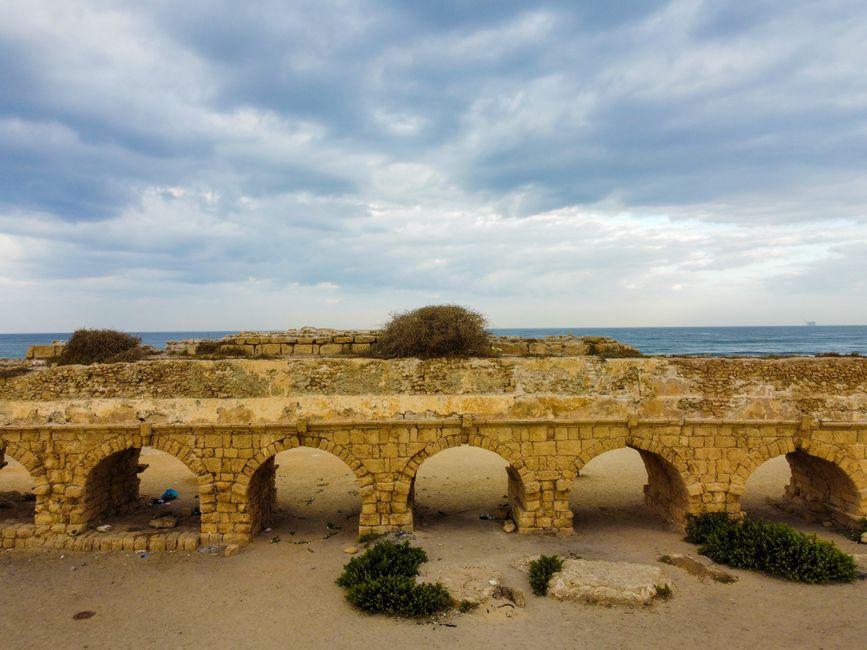
Matthew 16 serves as a structural pivot in the Gospel, written by the Apostle Matthew for a Jewish-Christian audience around 70–80 AD. It takes place in the region of Caesarea Philippi, a site dominated by pagan temples, which provides a striking contrast to the spiritual authority Jesus begins to reveal to His disciples during this critical juncture of His ministry.
The overarching theological theme of Matthew 16 is the identity of Jesus as the Christ and the subsequent cost of following Him. It matters for the believer today because it forces us to answer the same question Jesus posed to His disciples: “Who do you say that I am?” You can read Matthew 16 on Bible Gateway to ground your heart in these transformative words.
Verse-by-Verse Commentary on Matthew 16
Matthew 16:16 — Meaning and Explanation
**”And Simon Peter answered and said, Thou art the Christ, the Son of the living God.”**
Peter’s confession is the bedrock of the Christian faith, marking the moment the disciples finally grasp that Jesus is not merely a prophet, but the long-awaited Messiah. The term “Christ” comes from the Greek *Christos* (Strong’s G5547), meaning “the Anointed One.” By identifying Him as the “Son of the living God,” Peter contrasts Jesus with the dead, silent idols of the surrounding pagan culture.
This recognition was not a product of human intellect but of divine revelation. Jesus confirms in the following verse that “flesh and blood” did not reveal this to Peter, but His Father in heaven. For us, this serves as a reminder that true spiritual sight—the ability to recognize Jesus as Lord—is a gift of grace that transforms our relationship with the Creator from a distant observance to an intimate, living fellowship.
Matthew 16:18 — Meaning and Explanation
**”And I say also unto thee, That thou art Peter, and upon this rock I will build my church; and the gates of hell shall not prevail against it.”**
Jesus here uses a play on words: “Thou art *Petros* (a small stone), and upon this *petra* (a massive bedrock) I will build my church.” The word for church, *ekklesia* (Strong’s G1577), refers to a “called-out assembly.” The “rock” signifies the truth of Peter’s confession—that Jesus is the Son of the living God—which serves as the foundation of the entire Church.
The “gates of hell” (Hades) represent the power of death and the forces of evil. In ancient times, city gates were the seat of government and strategic planning. By declaring that these gates shall not prevail, Jesus promises that even death itself cannot stop the advance of the Gospel. This provides immense security to the believer: we belong to a kingdom that is indestructible, sustained by the authority of Christ Himself.
Matthew 16:24 — Meaning and Explanation
**”Then said Jesus unto his disciples, If any man will come after me, let him deny himself, and take up his cross, and follow me.”**
This verse outlines the quintessential requirement of discipleship: self-abnegation. To “deny himself” means to renounce the self-centered life and surrender the throne of one’s heart to Christ. The Greek word for deny, *aparneomai* (Strong’s G533), implies a complete dissociation from one’s own selfish desires and worldly ambitions.
Taking up the “cross” was a graphic image in the first century, signifying a one-way trip to execution. It means dying to our own will daily. We are not called to a life of comfort or earthly prosperity, but to a life of sacrifice that finds its true purpose in the mission of the Master. It is a total alignment of our personal desires with the divine will of God.

Matthew 16:26 — Meaning and Explanation
**”For what is a man profited, if he shall gain the whole world, and lose his own soul? or what shall a man give in exchange for his soul?”**
Jesus presents a sobering economic reality of the soul. The word for soul here is *psyche* (Strong’s G5590), encompassing the seat of our feelings, desires, and our eternal essence. Jesus asks a rhetorical question that highlights the infinite value of our inner life compared to the fleeting, temporary gains of the material world.
If a man were to acquire every piece of wealth and power on earth, he would still be bankrupt if he forfeited his soul in the process. The “exchange” is a transaction that can never be reversed. This verse challenges our modern obsession with success and status, urging us to invest our time, energy, and resources into things that have eternal weight rather than temporary glitter.
How to Apply Matthew 16 in Your Daily Life
Applying the lessons of Matthew 16 begins with a daily “check-in” regarding the lordship of Jesus. In your family life, this looks like choosing patience and sacrificial love over “being right” during an argument. When you feel the urge to lash out or assert your own will, remember the call to “deny yourself.” Ask yourself: “Is my reaction building up my home, or is it feeding my own pride?”
In the workplace, apply the lesson of the “soul’s value” by refusing to compromise your integrity for a promotion or a bonus. You can be an excellent employee while maintaining a clear conscience, knowing that your ultimate reward comes from the Lord. When you face professional setbacks, recall that the “gates of hell” cannot prevail against the work God is doing in and through you; your identity is anchored in Christ, not in your job title or performance.
A Prayer Based on Matthew 16
Guided Scriptural Prayer
Heavenly Father, I confess today that Jesus is the Christ, the Son of the living God, and the foundation of my life. Help me, by the power of Your Holy Spirit, to deny my own selfish desires and take up my cross daily to follow You. Keep me from chasing the fleeting treasures of this world, that I might never lose the eternal value of my soul. Grant me the courage to stand firm against the powers of darkness, knowing that Your Church is secure in Your hands. May my life be a reflection of Your truth and a testament to Your grace. Amen.
Frequently Asked Questions About Matthew 16
What is the main message of Matthew 16?
The main message of Matthew 16 is the revelation of Jesus’ true identity and the cost of discipleship. It shifts from the Pharisees’ demand for signs to Peter’s divine confession that Jesus is the Messiah. This chapter establishes the Church upon the foundation of this confession and explicitly teaches that following Christ requires self-denial and cross-bearing. It challenges the believer to weigh the temporary nature of worldly success against the eternal significance of the soul, urging us to align our lives with the kingdom of God rather than the values of the age. You can find more historical context on Blue Letter Bible.
What does “the keys of the kingdom” mean in Matthew 16:19?
In Matthew 16:19, Jesus gives Peter “the keys of the kingdom of heaven.” Historically and metaphorically, keys represent authority and stewardship. In the context of the early Church, this authority involved the preaching of the Gospel, which “opens” the kingdom to those who believe and “shuts” it against those who reject the message. It is the authority to declare the terms of salvation—that forgiveness is found only through faith in Christ. It is not an authority to replace God, but to proclaim His truth so clearly that it carries the weight of heaven itself in how it affects the eternal destiny of the listener.
Why did Jesus rebuke Peter in Matthew 16:23?
Jesus rebuked Peter because Peter attempted to discourage Him from the path of the cross. After Jesus predicted His suffering and death, Peter, acting out of human affection and a misunderstanding of the Messiah’s role, said, “Be it far from thee, Lord.” Jesus recognized this as a temptation to bypass the atonement—the very mission He came to fulfill. By calling Peter “Satan,” Jesus was addressing the influence behind the suggestion; He was prioritizing the Father’s will over human comfort. It serves as a stern reminder that even well-meaning friends can become obstacles if they prioritize physical safety over God’s redemptive purpose.
May the truths of this chapter anchor your heart and guide your steps as you walk in the light of the Gospel.