
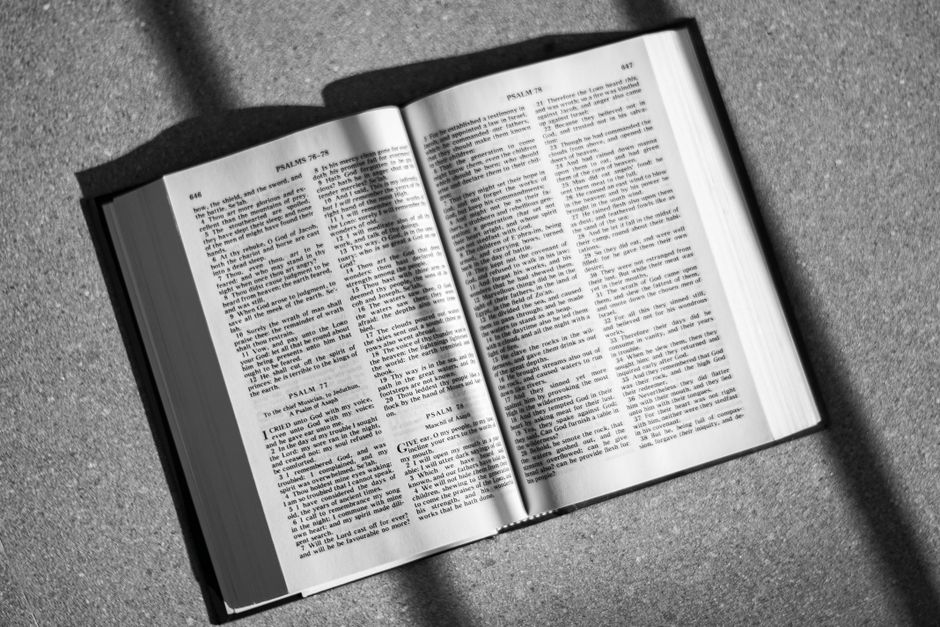
Welcome to this deep dive into the sanctuary of the soul found in Psalm 62. Together, we will unpack the profound themes of unwavering trust, the vanity of human reliance, and the ultimate sufficiency of God as our only true refuge in times of trial.
Psalm 62 — Historical and Spiritual Context
Psalm 62 is traditionally attributed to King David, likely composed during a period of intense personal betrayal and political upheaval, such as the rebellion led by his son Absalom. The historical context reflects a king whose authority, safety, and reputation were under siege, forcing him to look past earthly alliances toward the only sovereign anchor.
The overarching theological theme of Psalm 62 is the deliberate, active choice to place one’s entire weight upon God alone. In a world that prizes human strength, wealth, and influence, this Psalm serves as a counter-cultural manifesto for the believer, reminding us that stability is found only in the character of the Almighty. You can read Psalm 62 on Bible Gateway to prepare your heart for this study.

Verse-by-Verse Commentary on Psalm 62
Psalm 62:1 — Meaning and Explanation
“Truly my soul waiteth upon God: from him cometh my salvation.”
The opening verse establishes the spiritual posture of the entire Psalm: a total, quiet dependence on the Creator. The Hebrew word for “waiteth” is dumiyah (Strong’s H1747), which implies a state of silent, hushed expectancy. It is not merely waiting for time to pass, but a stillness of the heart that ceases its own striving to listen for the voice of God.
By declaring that salvation comes from Him alone, David rejects the secondary comforts of political power or military might. In the original language, the word “truly” (Hebrew: ak) acts as an emphatic particle, essentially saying, “Only in God is my soul silent.” It is a declaration of exclusivity; there is no other place where the soul can find such rest.
Psalm 62:2 — Meaning and Explanation
“He only is my rock and my salvation; he is my defence; I shall not be greatly moved.”
In this verse, David employs military and architectural metaphors to describe God’s protective role. The term “rock” (Hebrew: tsuwr, Strong’s H6697) signifies an unassailable fortress or a high cliff that cannot be scaled by enemies. It suggests that while the world around David is shifting, his foundation is immovable.
The phrase “I shall not be greatly moved” is a testament to the realism of faith. David acknowledges that he may face tremors, trials, and temporary setbacks, but he will not be toppled. This is the confidence of a believer who knows that their life is hidden within the sovereignty of the Most High, regardless of the intensity of the assault.
Psalm 62:5 — Meaning and Explanation
“My soul, wait thou only upon God; for my expectation is from him.”
This verse functions as a command to one’s own soul, recognizing that the human heart is prone to wander toward earthly dependencies. David speaks to his own spirit, urging it to return to its primary source of hope. The word “expectation” (Hebrew: tiqvah, Strong’s H8615) carries the connotation of a cord or a line—it is the lifeline that connects the believer to the promises of God.
When we find ourselves anxious about the future or frustrated by the actions of others, we must emulate David’s practice of self-counseling. We must actively remind our souls that our “cord” is tied to God’s throne, not to the fluctuating circumstances of the world. This is the essence of active waiting—a deliberate alignment of our desires with His timing.
Psalm 62:8 — Meaning and Explanation
“Trust in him at all times; ye people, pour out your heart before him: God is a refuge for us. Selah.”
This verse transitions from personal testimony to a pastoral exhortation for the entire community of faith. David invites the congregation to “pour out” their hearts—a vivid image of emptying a vessel completely before the Lord. It suggests that there should be no secrets, no hidden fears, and no bottled-up griefs in our relationship with God.
The word “refuge” (Hebrew: machseh, Strong’s H4268) implies a place of shelter or a hiding spot. By telling the people to trust Him “at all times,” David emphasizes that our reliance on God is not just for the crises; it is the necessary posture for our daily existence. The inclusion of the musical term “Selah” reminds us to pause, reflect, and let these truths sink into our spirits.

How to Apply Psalm 62 in Your Daily Life
Applying Psalm 62 begins with the practice of “sanctified silence” in your daily routine. In a world of digital noise and instant gratification, set aside five minutes each morning to consciously “wait upon God.” Before checking your phone or email, acknowledge that your salvation—your peace, your provision, and your purpose—comes from Him alone. This guards your heart against the “vanity” mentioned in verse 9, ensuring that your identity is not tied to your productivity or the opinions of others.
In the workplace or at home, when you feel the pressure of betrayal or the anxiety of uncertainty, practice “pouring out your heart” as David describes in verse 8. Instead of venting to colleagues or ruminating in bitterness, take those specific frustrations to God in prayer. By treating God as your primary refuge, you prevent the poison of resentment from taking root, allowing you to act with the stability of someone whose “rock” is unshakable, regardless of the office politics or family tensions surrounding you.
A Prayer Based on Psalm 62
Guided Scriptural Prayer
Heavenly Father, I come before You today acknowledging that my soul finds its only true rest in Your presence. When the world feels unstable and my circumstances seem to shake, remind me that You are my rock and my immovable defense. I choose to wait upon You alone, trusting that my future and my expectations are securely in Your hands. Help me to pour out my heart to You, leaving nothing hidden and holding nothing back in my pursuit of Your peace. May my life be a testimony that in You, I shall not be greatly moved. Amen.
Frequently Asked Questions About Psalm 62
What is the main message of Psalm 62?
The main message of Psalm 62 is the necessity of absolute, exclusive dependence on God. David emphasizes that human power, wealth, and influence are ultimately fleeting and deceptive (verses 9-10). The Psalm serves as a call to the believer to anchor their soul in God’s unchanging character, finding in Him a secure refuge that cannot be moved by the storms of life or the treachery of men.
Who wrote Psalm 62 and why?
Psalm 62 was written by King David. Most scholars believe it was written during a time of significant personal betrayal, likely during the rebellion of his son Absalom or a similar period where his authority was being challenged by those he trusted. The Psalm was written to affirm his faith in God’s sovereignty when earthly supports were failing, serving as both a personal prayer and a public declaration of trust.
What does verse 10 mean in Psalm 62?
In Psalm 62:10, David warns against two specific idols: oppression (extortion) and vanity (ill-gotten gain). He cautions that even if one’s wealth increases, one should not set their heart upon it. The spiritual meaning is that material security is a false refuge; if we rely on our riches, we become spiritually unstable. David teaches that true strength and power belong to God, not to the accumulation of worldly resources or the exercise of human force.
May the peace of the Lord, which surpasses all understanding, guard your heart and mind as you rest in Him.