
Welcome to this deep-dive study of Exodus 34, a pivotal chapter where God reveals His character to Moses following the tragedy of the golden calf. Together, we will explore the themes of divine mercy, the renewal of the covenant, and the transformative power of being in the presence of the Almighty.
Exodus 34 — Historical and Spiritual Context
Exodus 34 takes place in the wilderness of Sinai, shortly after the catastrophic rebellion of the Israelites who forged the golden calf. Moses, having broken the first set of tablets, returns to the mountain to intercede for the people, leading to a profound revelation of God’s glory and the formal renewal of the covenant. You can read Exodus 34 on Bible Gateway to ground yourself in the text.
Theologically, this chapter is the “Gospel of the Old Testament,” as God defines Himself not by His power alone, but by His compassion and grace. For the modern believer, Exodus 34 serves as a reminder that even after our greatest failures, God is a God of “second chances” who desires to dwell among His people. It challenges us to reflect His glory in a world that is often darkened by compromise and idolatry.

Verse-by-Verse Commentary on Exodus 34
Exodus 34:6 — Meaning and Explanation
“And the Lord passed by before him, and proclaimed, The Lord, The Lord God, merciful and gracious, longsuffering, and abundant in goodness and truth,”
This verse contains the “self-revelation” of God. In Hebrew, the word for “merciful” is rachum (Strong’s H7349), which shares a root with the word for “womb,” suggesting a deep, visceral, maternal-like love. When God passes before Moses, He is not merely describing His attributes; He is revealing His very essence.
The term “longsuffering” (Hebrew: erek appayim) literally means “slow to anger” or “long of nostrils.” It suggests that God’s wrath is not easily ignited. This is the bedrock of the believer’s hope: our relationship with God is sustained not by our perfection, but by His character. He is “abundant in truth,” ensuring that while He is merciful, He remains perfectly faithful to His promises.
Exodus 34:7 — Meaning and Explanation
“Keeping mercy for thousands, forgiving iniquity and transgression and sin, and that will by no means clear the guilty; visiting the iniquity of the fathers upon the children, and upon the children’s children, unto the third and to the fourth generation.”
This verse balances the tension between God’s grace and His holiness. The Hebrew word for “forgiving” is nasa (Strong’s H5375), which means “to lift up or carry away.” God acts as the great burden-bearer, removing the weight of our iniquity.
However, the text also mentions the “visiting of iniquity,” which often troubles readers. Historically, this refers to the reality that sin has generational consequences; the patterns of the father often become the patterns of the son. Yet, we see the greater weight placed on “mercy for thousands.” God’s grace extends infinitely further than the temporal consequences of human rebellion.
Exodus 34:14 — Meaning and Explanation
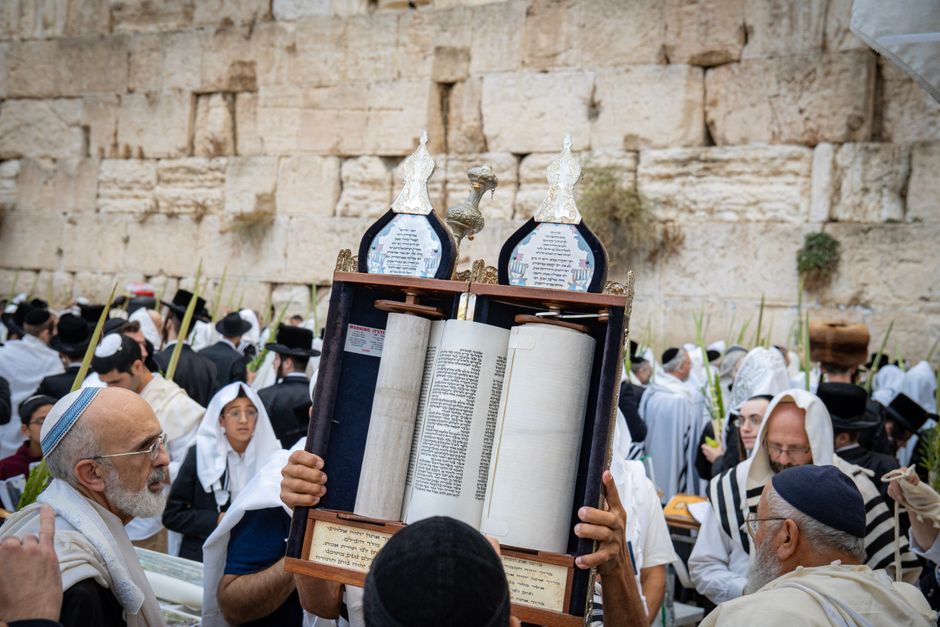
“For thou shalt worship no other god: for the Lord, whose name is Jealous, is a jealous God:”
The “jealousy” of God is not the petty, insecure emotion we experience as humans. In the original Hebrew, the word qanna (Strong’s H7067) refers to a protective, exclusive zeal. It is the jealousy of a husband for his wife, or a father for his child—it is the demand for the integrity of a covenant relationship.
When God calls Himself “Jealous,” He is expressing that He will not share the heart of His people with idols. In our modern context, an “idol” is anything that takes the place of God in our priorities. This verse calls us to total, undivided loyalty, recognizing that God alone is worthy of the throne of our lives.
Exodus 34:29 — Meaning and Explanation
“And it came to pass, when Moses came down from mount Sinai with the two tables of testimony in Moses’ hand, when he came down from the mount, that Moses wist not that the skin of his face shone while he talked with him.”
Moses’ face radiated the glory of God because he had been in the presence of the Divine. The Hebrew word for “shone” is qaran, which is related to the word for “horn” or “ray,” indicating a beam of light. Moses was unaware of this transformation, which is a beautiful spiritual lesson: those who truly spend time with God often reflect His character without needing to draw attention to themselves.
This serves as a challenge for the believer today. If we spend our time in the Word and in prayer, our “countenance”—our attitude, our words, and our interactions—should naturally reflect the light of Christ to a broken world. We are called to be conduits of His glory, not because of our own merit, but because of whom we have been with.
How to Apply Exodus 34 in Your Daily Life
Applying Exodus 34 begins with the discipline of “mountain-top” time. Just as Moses spent forty days in the presence of God to receive the law, you must carve out intentional, distraction-free time for prayer and scripture. In your family life, this means leading by example; your children should see your patience and grace, which are the fruits of your time spent with the Father. When you are wronged, choose to be “slow to anger,” reflecting the character of the God who is longsuffering.
In your professional life, represent the “truth” mentioned in verse 6. In a world of compromise, be the person who is known for integrity and fairness. When you fail—and you will—do not hide from God. Instead, run to Him with the knowledge that He is a God who “forgives iniquity and transgression.” His mercies are new every morning, and He is waiting to restore you, just as He restored the covenant with Israel in the wilderness.
A Prayer Based on Exodus 34
Guided Scriptural Prayer
Heavenly Father, I stand in awe of Your character, for You are merciful, gracious, and slow to anger. Like Moses, I desire to dwell in Your presence until Your glory is reflected in my own life. Please forgive me for the idols I have allowed to occupy the space meant for You alone. Help me to be a faithful covenant-keeper in my home and at my workplace. May my life be a testimony of Your goodness and truth to everyone I meet. Amen.
Frequently Asked Questions About Exodus 34
What is the main message of Exodus 34?
The main message of Exodus 34 is the restoration of the covenant relationship between God and Israel. After the people sinned by worshiping the golden calf, they were at risk of being abandoned. Instead, God reveals His nature as a compassionate, forgiving, yet holy God. He provides a roadmap for living in His presence, emphasizing that true worship requires exclusive loyalty to Him. The chapter teaches that while God is just and does not ignore sin, His grace and desire for relationship far outweigh His judgment.
Why did Moses’ face shine in Exodus 34?
Moses’ face shone because he had been in the direct presence of God on Mount Sinai, as described in Exodus 34:29. This physical radiance was a visible manifestation of the glory of God (the Shekinah). It served as a sign to the Israelites that Moses had indeed been speaking with the Almighty. Spiritually, it symbolizes that when a believer spends significant time in deep fellowship with God through prayer and the study of His Word, they begin to reflect His likeness and character in their own lives.
What does it mean that God is “Jealous” in Exodus 34:14?
In Exodus 34:14, God describes Himself as “Jealous.” This is not a reference to human envy, which stems from insecurity. Rather, it is a statement of divine holiness and covenant love. God created us for a relationship with Him, and He is “jealous” in the sense that He protects that relationship from being corrupted by idolatry. He is the only one worthy of our worship, and His jealousy is a manifestation of His desire for our ultimate good and spiritual purity.
May the light of His presence guide your steps and may His grace sustain you through every season of your life.