
Welcome to this deep-dive study into the sixth chapter of the book of Numbers. In this journey, we will explore the profound implications of the Nazirite vow, the beauty of the Aaronic blessing, and what it truly means to be set apart for God’s holy purposes in our modern lives.
Numbers 6 — Historical and Spiritual Context
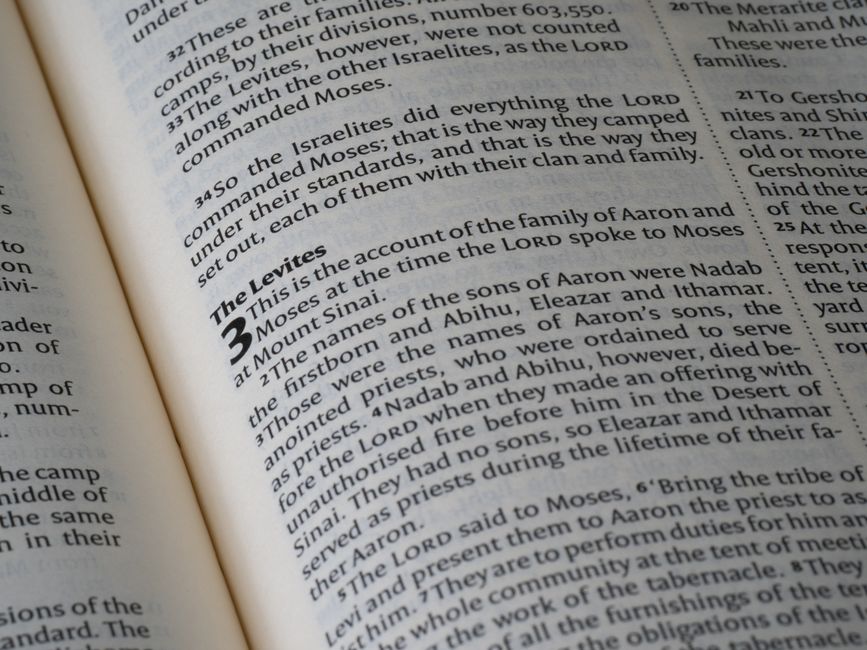
Numbers 6 is situated within the wilderness period of Israel’s history, following the census and the organization of the camp around the Tabernacle. As Moses led the people toward the Promised Land, these instructions provided a framework for personal holiness and divine benediction, emphasizing that every individual, regardless of their tribe, could voluntarily dedicate themselves to the Lord through the Nazirite vow. You can read Numbers 6 on Bible Gateway to familiarize yourself with the text.
The theological heartbeat of Numbers 6 is the concept of total consecration—being “separated” unto God. While the priests were dedicated by birth, the Nazirite vow allowed any layperson to enter into a heightened state of devotion. Today, this reminds the believer that while we are all called to holiness, there is a dimension of intentional, sacrificial living that honors God’s character. It teaches us that our lives are not our own; they are instruments of worship, marked by the grace and protection of the Almighty.

Verse-by-Verse Commentary on Numbers 6
Numbers 6:2 — Meaning and Explanation
“Speak unto the children of Israel, and say unto them, When either man or woman shall separate themselves to vow a vow of a Nazarite, to separate themselves unto the LORD:”
The term “Nazarite” comes from the Hebrew word naziyr (Strong’s H5139), meaning “consecrated” or “separated.” Historically, this vow was a voluntary act of piety. It was not commanded for all, but for those whose hearts were stirred to pursue an exceptional level of holiness. It highlights that God values the willing heart—the believer who chooses to go “above and beyond” in their devotion.
Spiritually, this verse teaches that consecration is an act of the will. To “separate themselves unto the LORD” implies a deliberate turning away from the world’s common patterns to focus exclusively on divine priorities. Just as the Nazirite abstained from wine, grapes, and the cutting of hair, we are called to identify the “distractions” in our own lives that keep us from full spiritual focus, offering those up as a sacrifice of praise.
Numbers 6:24 — Meaning and Explanation
“The LORD bless thee, and keep thee:”
This is the opening line of the famous Priestly Blessing, or the Aaronic Benediction. The Hebrew word for “bless” is barak (Strong’s H1288), which often implies “to kneel” or “to bestow favor.” To be “kept” (shamar, Strong’s H8104) means to be guarded, protected, or watched over, like a shepherd guarding his flock.
The theological weight here is immense: it is God who initiates the blessing. We do not earn His favor through our works; rather, we position ourselves to receive it. The blessing acts as a divine covering. In our daily lives, this verse serves as a reminder that before we set out to “do” anything for God, we must first recognize that we are the recipients of His protective grace.
Numbers 6:25 — Meaning and Explanation
“The LORD make his face shine upon thee, and be gracious unto thee.”
To have God’s face “shine” upon someone is a metaphor for divine approval, intimacy, and pleasure. In the ancient Near East, a ruler turning his face toward a subject indicated favor and the granting of an audience. The Hebrew word for “gracious” is chanan (Strong’s H2603), which denotes showing kindness to someone who does not necessarily deserve it.
This verse captures the essence of the Gospel. While the law reveals our need for holiness, the blessing reveals God’s heart of mercy. When God makes His face shine upon us, it dispels the darkness of our guilt. It is the ultimate assurance that we are seen, known, and loved by the Creator of the universe.
Numbers 6:26 — Meaning and Explanation
“The LORD lift up his countenance upon thee, and give thee peace.”
The “lifting up of the countenance” suggests a God who is attentive and engaged. It is the opposite of turning one’s back. The final word, “peace,” is the Hebrew shalom (Strong’s H7965), which means far more than the absence of conflict; it signifies wholeness, prosperity, and completeness in every area of life—spirit, soul, and body.
This is the climax of the blessing. After the request for protection and grace, the final gift is shalom. In a world characterized by anxiety and chaos, this verse invites the believer to rest in the finished work of Christ. When we realize that the Living God is looking at us with favor, the result is an unshakeable peace that guards our hearts.

How to Apply Numbers 6 in Your Daily Life
Applying the principles of Numbers 6 requires us to embrace the concept of being “set apart” in the midst of a busy, secular culture. For the modern Christian, the Nazirite vow is a prototype of the “living sacrifice” mentioned in Romans 12:1. In your workplace, this might mean refusing to participate in gossip or unethical shortcuts, even when it is the cultural norm. It is an intentional choice to let your conduct reflect the holiness of the God you serve.
In your family life, you can model the Aaronic blessing found in verses 24-26. Make it a practice to pray these words over your children or spouse before they leave for school or work. By speaking these words, you are not just offering a nice sentiment; you are invoking the name of the Lord over their lives, reminding them that their identity is found in His protection and grace, not in their performance or social status.
A Prayer Based on Numbers 6
Guided Scriptural Prayer
Heavenly Father, I thank You for the privilege of being called Your child and for the invitation to live a life set apart for Your glory. As I walk through my day, help me to guard my heart and mind, keeping my focus fixed on Your holy presence. I receive Your blessing today—may You keep me, make Your face shine upon me, and be gracious to me in all my endeavors. I rest in the truth of Numbers 6:26, trusting that You look upon me with love and grant me Your perfect shalom. May my life be a living testimony of Your grace, reflecting Your light to everyone I encounter. Amen.
Frequently Asked Questions About Numbers 6
What is the main message of Numbers 6?
The main message of Numbers 6 is the necessity and beauty of consecration. Through the Nazirite vow, God demonstrated that He values voluntary, wholehearted devotion from His people. It bridges the gap between the formal priesthood and the layperson, showing that anyone can dedicate themselves to God’s service. The chapter concludes with the Aaronic Blessing, which reveals the heart of God—He desires to protect, favor, and grant peace to those who seek Him. It teaches us that holiness is not just about avoiding evil, but about actively orienting one’s life toward the presence of the Lord.
What does the Aaronic blessing in Numbers 6:24-26 signify?
The Aaronic blessing is the definitive prayer of divine favor in the Old Testament. It signifies that God is the source of all true blessing. By invoking the name of the Lord three times, the priests were reminding the people that God is the protector (verse 24), the source of grace and intimacy (verse 25), and the provider of total peace and restoration (verse 26). It was a way for God to “put His name” upon the children of Israel, effectively claiming them as His own possession and promising His constant, watchful care over them throughout their journey.
Why did Nazirites have to abstain from wine and cutting their hair?
In the context of Numbers 6, the restrictions placed on the Nazirite served as external signs of an internal reality. Abstaining from wine (the fruit of the vine) symbolized a separation from common earthly pleasures to focus on the “new wine” of God’s presence. Leaving the hair uncut symbolized that the Nazirite was under a different authority—God’s authority—rather than the societal norms of the day. These physical acts were outward expressions of a heart that had been fully surrendered to the Lord, serving as a constant, visible reminder that their lives were dedicated to a higher purpose and a divine calling.
May the peace of the Lord, which passes all understanding, guard your heart and mind as you continue to walk in the light of His Word.