
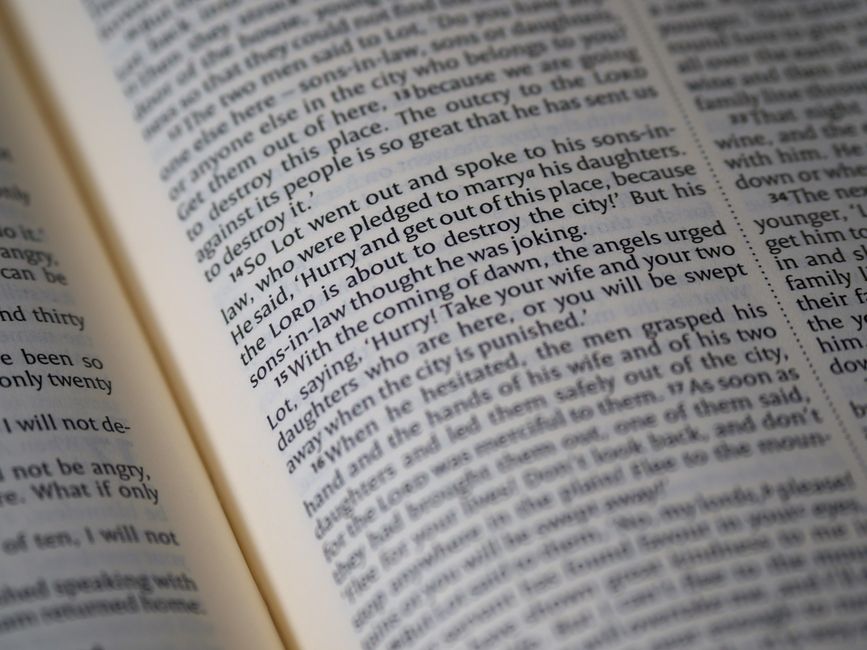
Welcome, dear reader, to this profound journey through the final chapter of the book of Ruth. In these verses, we witness the beautiful convergence of divine providence, legal redemption, and the unfolding lineage of the Messiah, offering us a timeless portrait of God’s faithfulness in the lives of the broken and the marginalized.
Ruth 4 — Historical and Spiritual Context
Ruth 4 serves as the climactic conclusion to the narrative, likely recorded during the early monarchy of Israel to demonstrate God’s sovereignty over individual lives. Set in the town of Bethlehem during the time of the Judges, the text transitions from a story of famine and bereavement to one of legal resolution and generational blessing, read Ruth 4 on Bible Gateway.
Theologically, this chapter centers on the concept of the *Goel* (the Kinsman-Redeemer), a type of Christ who purchases what was lost to restore it to the family of God. For the modern believer, Ruth 4 serves as a powerful reminder that no situation is beyond the reach of God’s redemption and that our quiet, faithful obedience in the small details of life is often the catalyst for God’s grand, historical purposes.

Verse-by-Verse Commentary on Ruth 4
Ruth 4:4 — Meaning and Explanation
“And I thought to advertise thee, saying, Buy it before the inhabitants, and before the elders of my people. If thou wilt redeem it, redeem it: but if thou wilt not redeem it, then tell me, that I may know: for there is none to redeem it beside thee; and I am before thee. And he said, I will redeem it.”
Boaz here acts with integrity, ensuring the legal process is transparent before the elders at the city gate. The Hebrew word for “redeem” used here is *ga’al* (Strong’s H1350), which carries the legal obligation to buy back property or family members lost to debt or death. Boaz is not merely making a purchase; he is fulfilling a covenantal duty.
Spiritually, this highlights the necessity of “counting the cost.” Just as the unnamed kinsman initially agreed to redeem the land but later backed out when he realized he had to take Ruth as a wife, true redemption requires sacrifice. Boaz, however, was willing to lay aside his own interests to preserve the name of the deceased, foreshadowing the selfless sacrifice of Jesus Christ, who saw the cost of our redemption and willingly paid it.
Ruth 4:9 — Meaning and Explanation
“And Boaz said unto the elders, and unto all the people, Ye are witnesses this day, that I have bought all that was Elimelech’s, and all that was Chilion’s and Mahlon’s, of the hand of Naomi.”
This verse marks the public declaration of the transaction, establishing the legal transfer of property and the responsibility of care for Naomi and Ruth. The act of “buying” (*qanah*, Strong’s H7069) signifies a total acquisition. In the ancient Near East, the city gate was the courthouse; by testifying before the elders, Boaz ensured his actions were beyond reproach.
For the believer, this is a beautiful picture of our standing before God. We were once “sold under sin,” lost and destitute like Naomi. Yet, our Kinsman-Redeemer, Jesus, has presented His work before the “witnesses” of heaven and earth. He has paid the price to buy us back from the slavery of our past, ensuring that we are no longer orphans but are brought back into the inheritance of the Father.
Ruth 4:13 — Meaning and Explanation
“So Boaz took Ruth, and she was his wife: and he went in unto her: and the LORD gave her conception, and she bare a son.”
The narrative shifts from legal proceedings to the blessing of fruitfulness. The Hebrew phrase “the LORD gave her conception” emphasizes that despite the long history of infertility and death in this family line, life is ultimately a gift from God (*Yahweh*). It is a direct intervention of grace that transforms a barren situation into a future filled with hope.
This teaches us that God’s redemptive work always leads to life. When we allow God to redeem our circumstances, the result is not just the restoration of what was lost, but the creation of something new and fruitful. Ruth, the Moabitess, who had once been a stranger to the covenant, is now the mother of a child who would eventually be the grandfather of King David, proving that God’s grace is expansive and transformative.

Ruth 4:17 — Meaning and Explanation
“And the women her neighbours gave it a name, saying, There is a birth to Naomi; and they called his name Obed: he is the father of Jesse, the father of David.”
The conclusion of the book draws a direct line from this small act of redemption to the throne of Israel. The name “Obed” (*Obed*, Strong’s H5744) literally means “serving” or “worshiper.” It is a fitting name for the child who would bridge the gap between the time of the Judges and the glorious kingdom of David.
This genealogy is the bedrock of the Messianic promise. By including Ruth, a Gentile, in the lineage of David—and ultimately Jesus—the Holy Spirit is signaling that the redemption provided by the Messiah is for all nations. We see here that our individual lives, when lived in submission to God’s will, are woven into a much larger tapestry that stretches toward the eternal purposes of the Kingdom of God.
How to Apply Ruth 4 in Your Daily Life
Applying the lessons of Ruth 4 requires us to look at our own “city gates”—the places where we make decisions about our integrity, our responsibilities, and our relationships. If you are facing a difficult family situation, ask yourself: “Am I acting with the transparency and honor of Boaz?” In our modern, often anonymous world, we are called to be people of our word, ensuring that our dealings with others are clear, fair, and rooted in a desire to protect the vulnerable rather than exploit them.
Furthermore, recognize that God is the author of your “conception” or your fruitfulness. If you feel that your work or ministry is currently “barren,” look to the example of Naomi and Ruth. They did not force their way into the future; they waited on the Lord, served one another faithfully, and trusted in the providence of the Kinsman-Redeemer. In your daily walk, practice this same patient trust. Whether you are navigating a career transition or a strained relationship, remember that your current struggle is not the final chapter. God is working behind the scenes to weave your story into His grander narrative of redemption.
A Prayer Based on Ruth 4
Guided Scriptural Prayer
Heavenly Father, I thank You that You are the great Redeemer who watches over my life with tender care. Just as You restored Naomi and Ruth, I ask that You would redeem the broken pieces of my own life and turn my mourning into dancing. Help me to be a person of integrity, honoring You in my words and actions as Boaz did at the gate. May I trust in Your sovereign timing, knowing that even in seasons of waiting, You are orchestrating fruitfulness for Your glory. I place my future in Your hands, trusting that You are the author of my story, just as You provided for the lineage of David. Amen.
Frequently Asked Questions About Ruth 4
What is the main message of Ruth 4?
The main message of Ruth 4 is the triumph of God’s providence through the faithfulness of His people. It demonstrates that when individuals act according to God’s law and show covenantal love to one another, God uses those actions to bring about His larger purposes. Specifically, it highlights the role of the “Kinsman-Redeemer” (*Goel*), a legal and spiritual figure who saves the family line of Elimelech from extinction. This chapter teaches that no loss is permanent in the hands of God and that He is actively working to bring redemption to the broken, leading ultimately to the birth of the Messiah.
What does the “sandal” mean in Ruth 4:7-8?
In the context of ancient Israelite law, the transfer of a sandal was a symbolic act of finalizing a legal contract or the relinquishing of a right. As described in Ruth 4:7, it served as a public testimony that the kinsman had officially withdrawn his claim to the property of Elimelech and transferred it to Boaz. It was a tangible way to ensure that the agreement was witnessed and legally binding in the absence of written deeds. For the reader, it serves as a reminder of the seriousness and finality of the redemption transaction Boaz performed to secure Ruth’s future.
Why is the genealogy in Ruth 4:18-22 so important?
The genealogy at the end of Ruth 4 is critical because it connects the personal story of Ruth and Boaz to the broader history of salvation. By listing the descendants down to David, the author establishes the legitimacy of the Davidic throne. More importantly, this genealogy is later mirrored in the New Testament (Matthew 1:5), linking the Gentile Ruth directly to Jesus Christ. It serves as a powerful theological statement that the Messiah’s lineage includes the marginalized and the foreigner, emphasizing that God’s redemptive plan through Christ is intended for all people, not just the people of Israel.
May the peace of the Lord, who redeems all things, dwell richly in your heart as you continue to walk in His light.