
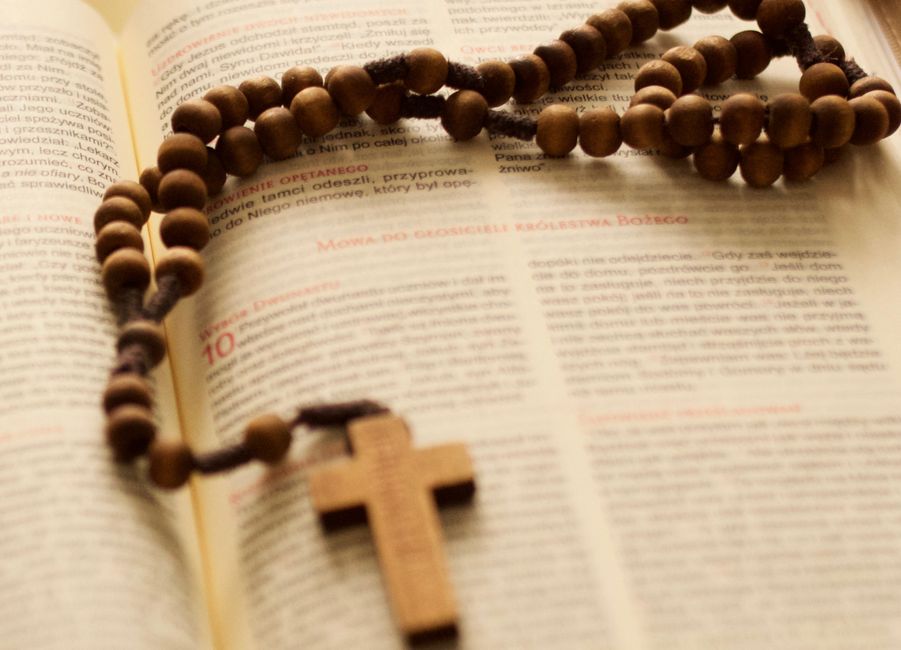
What Does the Bible Say About gods protection?
The Bible teaches that God’s protection is an active, sovereign, and covenantal reality where He acts as a shield, refuge, and fortress for those who trust in Him. It is not merely the absence of trouble, but the presence of divine grace that sustains the believer through every trial and shadow.
In the Old Testament, the Hebrew word for protection is often rooted in terms like shamar (Strong’s H8104), meaning to hedge about, guard, or protect. This implies a vigilant, constant watchfulness, such as a shepherd keeping a flock. In the New Testament, the concept of divine preservation is captured by the Greek word phulasso (Strong’s G5442), which suggests keeping something from being lost or destroyed. You can deepen your understanding of these terms by exploring the Blue Letter Bible lexicon resources.
For the modern Christian, understanding God’s protection is vital because it shifts the focus from external circumstances to internal security. In a world defined by uncertainty, anxiety, and temporal fragility, the believer finds stability not in the lack of danger, but in the immutable character of a God who never slumbers. This protection is not a magical charm against suffering, but a promise of ultimate preservation—that even if the body suffers, the soul is eternally anchored in Christ.

Most Powerful Bible Verses About gods protection (KJV)
Psalm 91:1-2
“He that dwelleth in the secret place of the most High shall abide under the shadow of the Almighty. I will say of the Lord, He is my refuge and my fortress: my God; in him will I trust.” (Psalm 91:1-2, KJV)
This Psalm is traditionally attributed to Moses or a Levite singer, written to emphasize the security found in the presence of God during times of pestilence and war. It describes a “secret place”—the intimate communion between the Creator and the created. When the psalmist speaks of “abiding,” he refers to a continuous state of remaining, not a fleeting visit. It is a declaration of total reliance on the sovereignty of Yahweh amidst the chaos of the ancient Near East.
The Hebrew word for refuge is machseh (H4268), implying a shelter from storm or danger. The word for fortress is metsuwdah (H4686), which describes a high, inaccessible stronghold. By using Strong’s Concordance, we see that these terms are military metaphors for God’s active defense. He is not a passive observer; He is the active agent who builds a wall of safety around His people, ensuring that no enemy can breach the defenses He has erected.
The practical application is to cultivate a “secret place” in your daily life. This means prioritizing prayer and meditation before the day begins. When you feel exposed to the “arrows that fly by day,” remember that your position is not in your own strength, but “under the shadow” of the Almighty. This identity as a dweller in His presence provides a psychological and spiritual buffer that no worldly crisis can penetrate.
2 Thessalonians 3:3
“But the Lord is faithful, who shall stablish you, and keep you from evil.” (2 Thessalonians 3:3, KJV)
The Apostle Paul wrote this letter to a young, persecuted church in Thessalonica that was facing intense opposition and spiritual confusion. Paul reassures them that while their human endurance might be tested, their ultimate security rests on the faithfulness of God. This verse serves as a foundational pillar for those who feel their own resolve waning under the weight of external pressures or internal temptations.
The Greek verb for “keep” here is phulasso (G5442), which carries the connotation of a military guard protecting a city gate. It suggests an active, deliberate prevention of harm. When Paul says the Lord will “stablish” (sterizo, G4741), he is using a term that means to turn firmly in a certain direction or to fixate. God is the one who stabilizes the wobbling knees of the believer, ensuring that they do not fall away from the faith when the storm intensifies.
Modern application involves leaning into God’s character when your own character feels weak. If you are struggling with a besetting sin or a situation that threatens your peace, stop focusing on your ability to resist. Instead, pray this verse back to God: “Lord, You are faithful; stablish me and keep me from this evil.” By acknowledging His faithfulness, you shift the burden of protection from your own shoulders to the shoulders of the One who is truly capable of holding you.
Isaiah 43:2
“When thou passest through the waters, I will be with thee; and through the rivers, they shall not overflow thee: when thou walkest through the fire, I shall not be burned; neither shall the flame kindle upon thee.” (Isaiah 43:2, KJV)
Isaiah delivered this prophecy to a nation facing the impending judgment of exile. He is not promising that they will avoid the “waters” or the “fire,” but rather that they will survive them. This passage is a profound theological comfort, acknowledging that the life of faith often involves walking through difficult, destructive circumstances, yet the presence of God ensures that these circumstances do not result in total annihilation.
The Hebrew word tsalach (H6743) suggests passing through or breaking through. The imagery of water and fire represents the most dangerous threats in the ancient world—the uncontrollable elements of nature. The promise is not that the fire disappears, but that it loses its power to consume. The Bible Gateway resources highlight that this is a covenantal promise, reminding Israel that their identity as God’s people is what secures His presence with them in the furnace.
For today, this verse teaches that God’s protection is often found in the trial, not necessarily from it. When you are going through a financial crisis or a health battle, do not despair because you are still in the “fire.” The fire is not the end of your story; it is the environment where you experience the intimacy of God’s presence. You are being refined, not destroyed.
Key Takeaways: Bible Verses About gods protection
| Verse Reference (KJV) | Core Spiritual Message | How to Apply Today |
|---|---|---|
| Psalm 91:1-2 | God is an active, secure refuge. | Start your morning by consciously “entering” God’s presence through prayer. |
| 2 Thessalonians 3:3 | God’s faithfulness stabilizes our hearts. | When feeling weak, confess God’s faithfulness rather than your own anxiety. |
| Isaiah 43:2 | Presence in the fire, not avoidance. | Trust that God is with you in the middle of your current hardship. |
How Can I Apply Bible Verses About gods protection in My Daily Life?
When You Feel Overwhelmed at Work
When the demands of the workplace feel insurmountable, practice the “Pause and Pivot” method. Take one minute to step away from your desk, close your eyes, and visualize yourself standing under the shadow of the Almighty (Psalm 91:1). Repeat the phrase, “I am not defined by this task, but by His protection.” This physical act of stopping disrupts the cycle of anxiety and realigns your spirit with the truth that your security is not tied to your performance.
When a Relationship Hurts
Relational pain often leaves us feeling exposed and vulnerable. Instead of seeking validation from the person who hurt you, go to the “Fortress” (Psalm 91:2). Write down the specific hurt, then write a corresponding attribute of God’s character next to it (e.g., “I feel rejected” -> “God is my constant companion”). By processing your emotions in the light of His protection, you prevent bitterness from taking root, knowing that your ultimate identity is guarded by the King of Kings.
During Financial Hardship
Financial anxiety often strikes at the root of our sense of safety. When the numbers don’t add up, remind yourself of the “waters and fires” of Isaiah 43:2. Create a “Faith Ledger” where you record past instances where God provided for your needs, even when the situation seemed hopeless. By focusing on your history with God, you transform your current financial trial from a source of panic into an opportunity to witness His faithful protection once again.

A Prayer for gods protection
Guided Scriptural Prayer
Heavenly Father, I come before You today acknowledging that You are my refuge and my fortress, the high tower in whom I trust. Thank You for the promise that even when I walk through the fires of life, I do not walk alone. Please stabilize my heart when the world feels chaotic and keep me from the evil one. Help me to dwell in Your secret place, finding my security not in my circumstances, but in Your unchanging faithfulness.
Lord, I surrender my anxieties and my fears into Your protective hands. Let Your presence be a shield around me, guarding my mind and my spirit. Just as You promised to be with Your people in the waters and the rivers, I ask that You would walk with me through my current struggles. May I feel the warmth of Your presence and the strength of Your protection today, in the name of Jesus Christ, my Lord and Savior. Amen.
Frequently Asked Questions About gods protection in the Bible
Does the Bible say that God protects us from all physical harm?
The Bible does not promise a life free from physical harm or suffering. In fact, many of the apostles and prophets faced severe physical persecution and death. Instead, the Bible promises that God protects the believer’s eternal soul and that He is present with us through every physical trial (Isaiah 43:2). His protection is often demonstrated by sustaining our faith and granting us peace that surpasses understanding, even while our bodies or circumstances are under attack. The ultimate protection offered in Scripture is the salvation of the soul through Christ, which no earthly harm can ever touch or destroy.
How does God protect us from spiritual warfare?
God provides protection against spiritual warfare primarily through the “whole armour of God” described in Ephesians 6:11-18. This includes the shield of faith, the helmet of salvation, and the sword of the Spirit, which is the Word of God. He protects us by empowering us to resist the devil, who then must flee (James 4:7). Furthermore, God protects us through the intercession of Jesus Christ, who sits at the right hand of the Father, constantly advocating for us. By staying anchored in Scripture and maintaining a prayerful life, we remain under the spiritual hedge of protection that the Holy Spirit provides to all who are in Christ.
Is it a sin to ask God for protection?
It is not a sin to ask God for protection; it is a sign of mature faith. Jesus himself taught his disciples to pray, “deliver us from evil” (Matthew 6:13, KJV). Asking for protection is a humble acknowledgment that we are not self-sufficient and that we rely entirely on God’s sovereignty. Throughout the Psalms, David frequently petitions God to be his shield and deliverer. When we ask for protection, we are inviting God into our situation and aligning our will with His, acknowledging that He is the only true source of safety and security in a fallen world.
What is the difference between God’s protection and human safety?
Human safety is often focused on the prevention of accidents, the accumulation of wealth, or the avoidance of conflict, all of which are temporary and fragile. God’s protection, however, is eternal and sovereign. While human safety is limited by our own knowledge and resources, God’s protection is omniscient and omnipotent. He protects our character, our purpose, and our eternal destiny, even when our physical safety appears compromised. While we are called to be wise and take reasonable precautions in life, our ultimate security is found in the promise that “the Lord is faithful” (2 Thessalonians 3:3), ensuring that nothing can separate us from His love.