
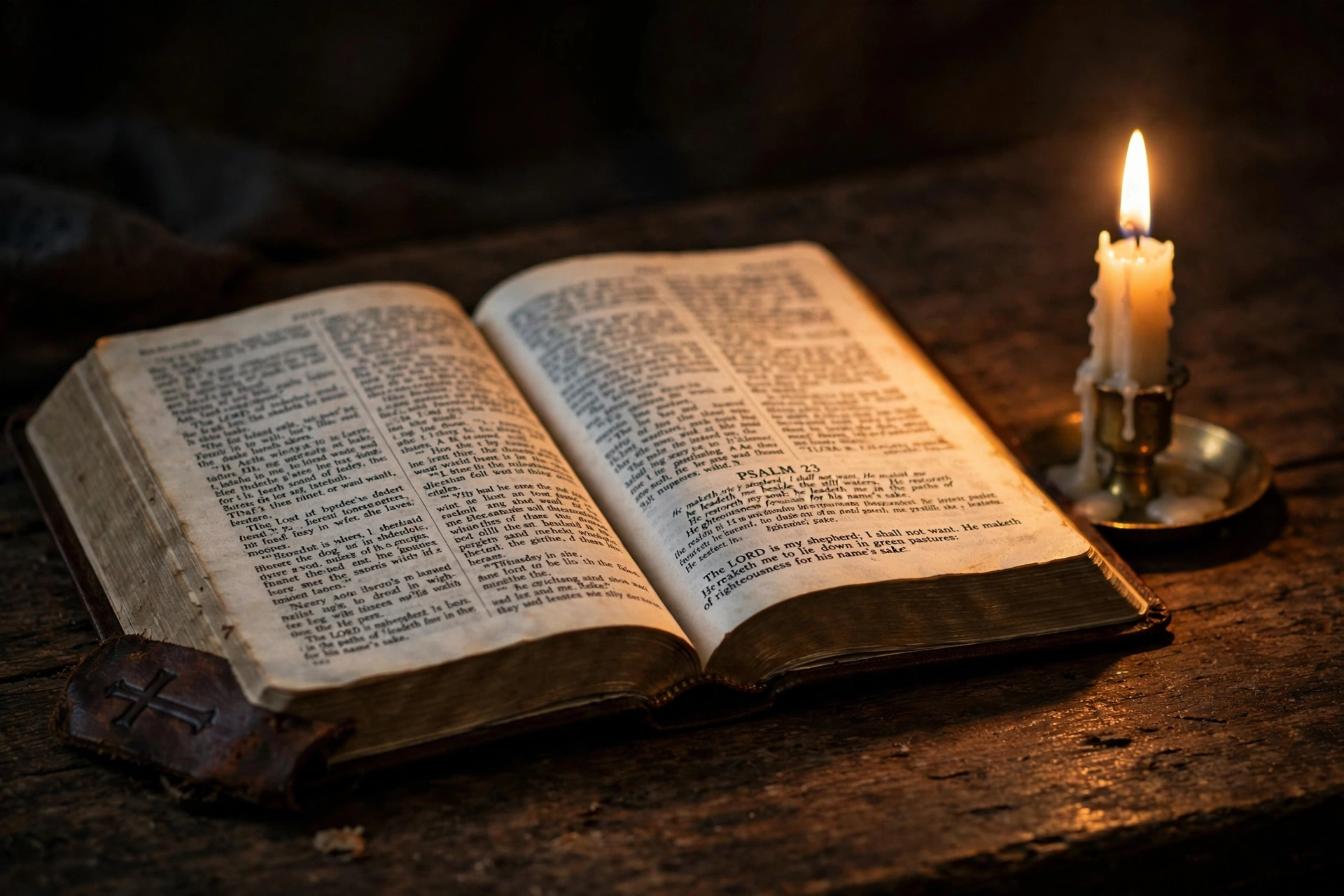
The Theology of Biblical Hope: An Anchor for the Soul
To the modern mind, “hope” is often synonymous with a fragile wish—a sentimental desire for a favorable outcome over which we have little control. However, the biblical definition of hope (the Hebrew tiqvah and the Greek elpis) stands in stark, revolutionary contrast to this secular understanding. In Scripture, hope is not a wistful aspiration; it is a confident expectation, a settled assurance, and an immovable reliance on the character and promises of God. It is the spiritual posture of a soul that has anchored itself in the eternal reality of God’s faithfulness, regardless of the shifting sands of temporal circumstances.
In the Old Testament, hope is frequently tied to the national restoration of Israel and the anticipation of the coming Messiah. It is a corporate, covenantal expectation. The prophets, particularly in the midst of exile and judgment, consistently pointed the people back to the God who keeps His promises, framing hope as a courageous act of waiting upon the Lord. Conversely, the New Testament shifts this focus toward the person of Jesus Christ. Hope becomes “Christ in you, the hope of glory” (Colossians 1:27). It is no longer just waiting for a future event; it is living in the present power of a resurrected Savior.
Modern Christians struggle with hope because we live in an era of immediate gratification and hyper-anxiety. We are conditioned to equate hope with the absence of difficulty, rather than the presence of God within that difficulty. When our circumstances feel chaotic, we often lose our spiritual equilibrium. True biblical hope, however, is not a feeling to be summoned but a discipline to be practiced. It requires the deliberate act of “remembering forward”—recalling God’s past faithfulness to sustain our confidence in His future intervention. By understanding hope as a theological conviction rather than an emotional state, we can move from a place of fragile optimism to a place of unshakable, Christ-centered endurance.
Contextual Scripture Analysis
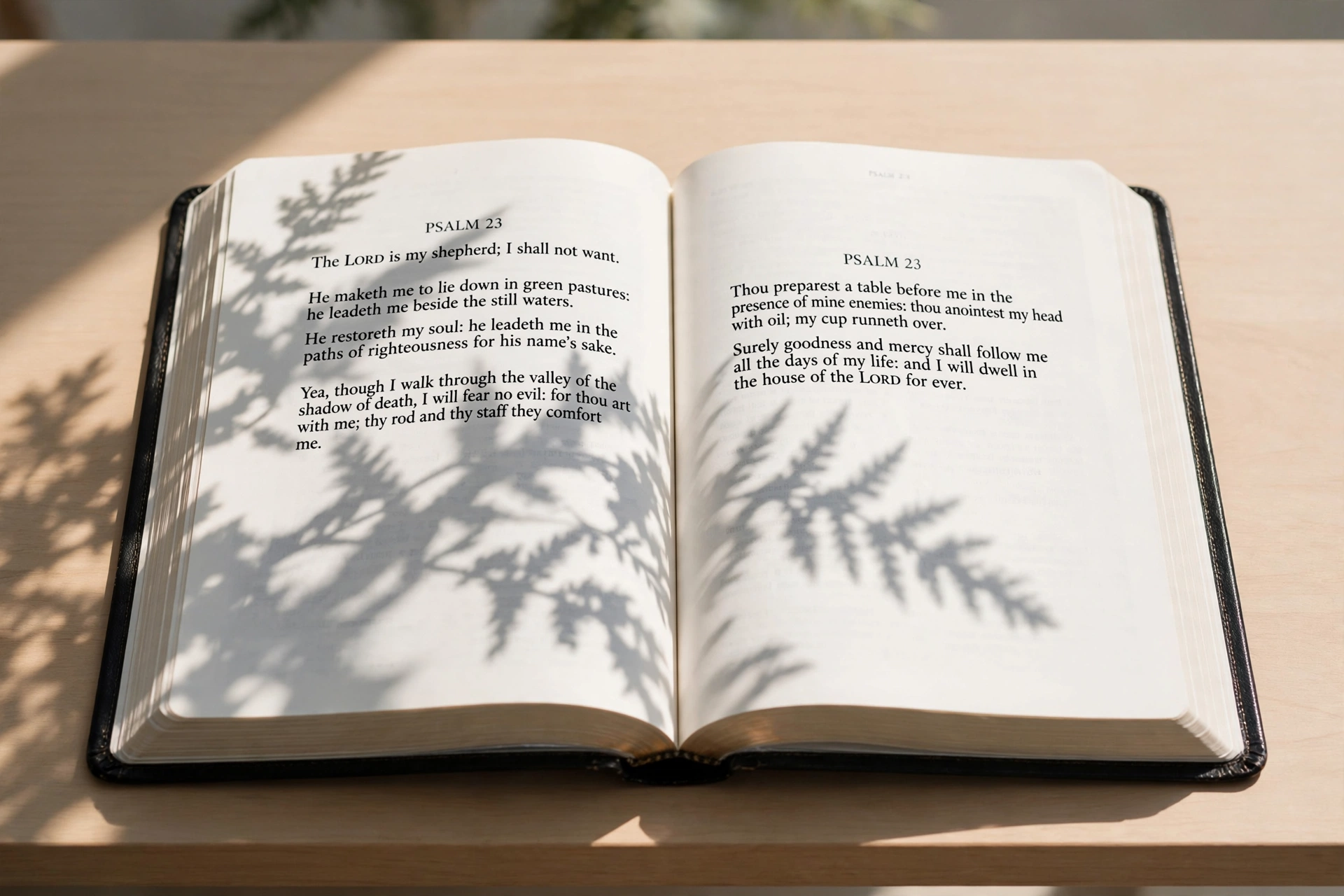
1. Jeremiah 29:11
For I know the thoughts that I think toward you, saith the LORD, thoughts of peace, and not of evil, to give you an expected end.
The prophet Jeremiah wrote these words to the exiles in Babylon—a people who had lost their land, their temple, and their sense of security. They were displaced, discouraged, and tempted to believe that God had abandoned them. Jeremiah’s letter served as a sobering yet comforting reminder that their captivity was not a sign of God’s impotence or indifference, but part of a larger divine purpose. The “expected end” promised here was not immediate relief, but a future restoration that God had already authored in His sovereign mind.
The phrase “expected end” is translated from the Hebrew tiqvah, which literally means “a cord” or “an expectation.” It carries the metaphor of a line that pulls the soul forward. When the Lord says He has “thoughts” (or plans) of peace, He is speaking of shalom—total, holistic well-being that exists even when outward conditions are not peaceful. The contrast between “peace” and “evil” highlights that God’s ultimate trajectory for His children is always redemptive, even when the path through the present moment seems to lead through the valley of shadow.
The spiritual lesson here is that our current season is not the final chapter. Hope is the refusal to define our lives solely by our current struggle. When we feel trapped by our circumstances, this verse invites us to tether our hearts to God’s perspective. He is not surprised by our pain, and He is actively weaving our present trials into an “expected end” that is characterized by His goodness. Hope is trusting that God’s vision for our future is more accurate than our current perception of our limitations.
2. Romans 15:13
Now the God of hope fill you with all joy and peace in believing, that ye may abound in hope, through the power of the Holy Ghost.
Writing to the church in Rome, the Apostle Paul was addressing a community comprised of both Jewish and Gentile believers who struggled with cultural friction and theological disagreements. Paul understood that for this diverse group to function as one body, they needed more than just intellectual agreement; they needed a supernatural transformation of the heart. He concludes his exhortation by pointing them directly to the source of their unity and endurance: the “God of hope.”
Paul employs a beautiful, cascading sequence of spiritual gifts here. He prays that they be “filled” (a state of abundance) with “joy and peace in believing.” This is critical: joy and peace are not the results of a perfect life, but the results of “believing.” The “abounding” in hope is not something they manufacture; it is an overflow produced by the “power of the Holy Ghost.” The metaphor of abounding suggests a river breaking its banks—hope is meant to be an uncontrollable, life-giving force that spills over from our private lives into the lives of those around us.
The lesson for the believer is that hope is a product of the Holy Spirit’s residency within us. We often try to “work up” hope through positive thinking, but Paul teaches that true, resilient hope is a fruit of the Spirit. If you find your hope running dry, the remedy is not to try harder to be optimistic; the remedy is to turn to the God of hope and ask for a fresh filling of His Spirit. Hope is the inevitable byproduct of a life that is being increasingly filled with the presence of God.
3. Hebrews 6:19
Which hope we have as an anchor of the soul, both sure and stedfast, and which entereth into that within the veil;
The Book of Hebrews was written to Jewish Christians who were facing intense persecution and the temptation to return to the security of the Old Covenant rituals. The author uses the nautical imagery of an anchor to explain the nature of Christian hope. In the ancient world, an anchor was the most vital piece of equipment for a ship in a storm. It was not meant to keep the ship from moving entirely, but to keep it from drifting onto the rocks during the tempest.
The author describes this hope as “sure and stedfast,” qualities that describe the nature of God’s promise. The most profound part of this verse is the location of the anchor: it “entereth into that within the veil.” This is a direct reference to the Holy of Holies in the Tabernacle, where only the High Priest could go. By stating that our hope is anchored behind the veil, the author is saying that our security is not in the temporal world, but in the heavenly sanctuary where Jesus now sits at the right hand of the Father. Our hope is anchored in the very presence of God.
The spiritual lesson is one of stability. When the storms of life—grief, financial ruin, health crises—threaten to pull us off course, we are not left to drift. Our hope is not anchored in our bank accounts, our health, or our reputation, but in the unchanging reality of Christ’s finished work. Because Jesus has entered the presence of God on our behalf, our hope is immovable. We can endure the storm because our anchor is fixed in a place that no earthly wave can ever reach.
Summary Takeaways Table
| Verse (KJV) | Core Spiritual Message | Actionable Lesson |
|---|---|---|
| Jeremiah 29:11 | God’s vision for your future is redemptive. | Stop defining your life by your current trial. |
| Romans 15:13 | Hope is a gift of the Holy Spirit. | Ask for a fresh filling of the Spirit daily. |
| Hebrews 6:19 | Christ is our secure, heavenly anchor. | Pray to shift your focus from earth to heaven. |
Practical Devotional Application
Developing a “Hope-First” Morning Routine
To cultivate hope, we must be intentional about what we feed our minds before the demands of the day take over. Begin each morning by reading one of the verses analyzed above. Instead of rushing into your emails or social media, spend five minutes “anchoring” your heart. Visualize your current challenges as small, temporary waves, and visualize your hope as a heavy, iron anchor hooked into the throne room of heaven. By starting with God’s perspective, you frame the day’s stressors as manageable within the scope of His sovereignty.
Reframing Obstacles as “Waiting Rooms”
When you encounter a setback, practice the art of “sanctified waiting.” Rather than viewing a delay or a disappointment as a dead end, label it a “waiting room.” In this space, ask yourself: “What is God cultivating in me while I wait?” Hope is often forged in the silence between our prayers and God’s answers. Keep a “Faithfulness Journal” where you record past instances where God provided, even if in unexpected ways. Reviewing this journal during difficult times builds the evidence required for a hopeful spirit.
Community and Corporate Hope
Hope is not meant to be a solitary endeavor. We are designed to bear one another’s burdens. If you are struggling to find hope, reach out to a spiritually mature friend and say, “I am struggling to see God’s hand in my situation; can you help me pray for perspective?” Often, the hope we cannot muster for ourselves can be borrowed from a brother or sister in Christ. By being vulnerable, you invite the Body of Christ to function as it was intended, holding your anchor in place when your hands are too weak to hold the rope.
Empathic Daily Prayer
Guided Scriptural Prayer
Heavenly Father, the God of all hope, I come before You today acknowledging that my heart is often easily swayed by the turbulence of this world. I confess that I have often looked for stability in my circumstances rather than in Your unchanging character. Please forgive me for the times I have allowed anxiety to eclipse Your promises. I ask that You would fill me afresh with Your Holy Spirit, that my life might overflow with the peace and joy that come from trusting You. Let Your presence be the anchor of my soul, keeping me steady when the winds of life blow hard against me.
Lord, give me eyes to see my current challenges through the lens of Your eternal purpose. When I feel weary or uncertain, remind me that You are already in my tomorrow, preparing a path of peace. Grant me the grace to wait well, the courage to trust deeply, and the wisdom to rest in the finished work of Jesus Christ. May my life be a testament to the hope that does not disappoint, radiating Your light to a world in need of Your truth. In the precious name of Jesus, I pray. Amen.
Frequently Asked Questions
Is it wrong for a Christian to feel hopeless?
Feeling hopeless is a human experience, and even the greatest saints in the Bible—from David in the Psalms to Elijah under the broom tree—experienced moments of profound despair. Feeling hopeless is not the same as being faithless. However, the call of the Christian life is to move from the feeling of hopelessness to the act of hope. We do this by acknowledging our pain honestly before God while simultaneously choosing to rehearse His truth. If you find yourself in a deep, persistent state of hopelessness, it is a signal that your soul needs to return to the “anchor” of Scripture and the support of the community, rather than a sign that God has abandoned you.
How can I distinguish between “blind optimism” and “biblical hope”?
Blind optimism is essentially a psychological state that assumes things will work out based on a positive attitude or a superficial belief that “everything happens for a reason.” It is often fragile because it relies on the outcome. Biblical hope, by contrast, is anchored in the person and work of Jesus Christ. It does not guarantee that our earthly circumstances will end the way we want them to; rather, it guarantees that God is working through those circumstances for our ultimate sanctification and His glory. Biblical hope is resilient even in the face of death or tragedy, because its foundation is the resurrection, not the comfort of the present life.
What should I do if God’s “expected end” feels like it is taking too long?
The tension of the “already but not yet” is the primary environment for spiritual growth. When God’s timing feels slow, it is usually because He is doing a work in you that is just as important as the work He is doing for you. In the Bible, God’s delays are rarely denials; they are often preparations. Use this time to examine your heart for idols—are you hoping for the outcome more than you are hoping for God Himself? When the wait feels unbearable, pray for “endurance” rather than “escape.” The goal of the Christian life is not just to reach the finish line, but to become like Christ during the race.