

Welcome to this deep dive into Matthew 27, a chapter that stands as the somber, climactic heart of the Gospel. Together, we will walk the Via Dolorosa, exploring the weight of the cross, the silence of the Savior, and the profound implications of Christ’s sacrifice for your life today.
Matthew 27 — Historical and Spiritual Context
Matthew 27 chronicles the trial, suffering, and crucifixion of Jesus Christ, set against the backdrop of Roman occupation and Jewish religious turmoil. Written by the Apostle Matthew for a primarily Jewish audience, this account emphasizes the fulfillment of Messianic prophecy, documenting the betrayal of Judas, the cowardice of Pilate, and the final, agonizing hours of the Son of God.
Theological significance in Matthew 27 centers on the concept of substitutionary atonement—the doctrine that Christ suffered the penalty for human sin. For the believer, this chapter is not merely a historical record but a mirror reflecting our own desperate need for grace. To study these events is to confront the reality of divine love and the high cost of our redemption. You can read Matthew 27 on Bible Gateway to prepare your heart for this study.
Verse-by-Verse Commentary on Matthew 27
Matthew 27:27 — Meaning and Explanation
“Then the soldiers of the governor took Jesus into the common hall, and gathered unto him the whole band of soldiers.”
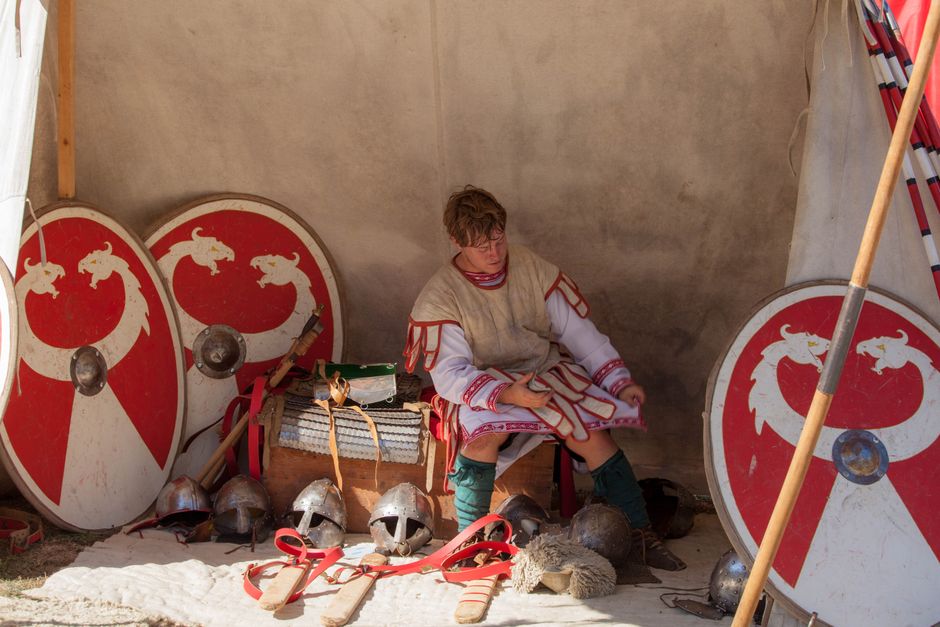
In this verse, we see the humiliation of the King of Kings at the hands of the Roman cohort. The “common hall” (Greek: *praitorion*, Strong’s G4232) was the headquarters of the Roman governor. By gathering the “whole band” (or *speira*), the soldiers intended to mock the Jewish Messiah, stripping Him of His dignity before the final march to Golgotha.
This scene serves as a stark reminder that the world often treats the Truth with contempt. The soldiers viewed Jesus as a mere political nuisance, failing to recognize they were standing in the presence of the Creator. For the believer, this passage calls us to remain faithful to Christ even when the culture around us scoffs at our devotion or mocks our faith in the Gospel.
Matthew 27:42 — Meaning and Explanation
“He saved others; himself he cannot save. If he be the King of Israel, let him now come down from the cross, and we will believe him.”
The mockery of the chief priests, scribes, and elders highlights the irony of the crucifixion. They taunted Him with the Greek word *sōsai* (from *sōzō*, Strong’s G4982), meaning “to save.” They correctly observed that He saved others, but they were spiritually blind to the fact that He could not “save” Himself precisely because He was choosing to save the world.
The spiritual lesson here is profound: the Cross was not a failure of power, but a triumph of purpose. Had Jesus come down from the cross, He would have been a miracle worker, but He would not have been the Savior. His refusal to act in His own defense is the ultimate display of love, proving that He valued our salvation above His own comfort and life.
Matthew 27:46 — Meaning and Explanation
“And about the ninth hour Jesus cried with a loud voice, saying, Eli, Eli, lama sabachthani? that is to say, My God, my God, why hast thou forsaken me?”
This is the most solemn moment in human history, where the Son of God bore the weight of our sins, experiencing the judicial abandonment of the Father. The Aramaic cry, *sabachthani* (Strong’s H5800), signifies being left behind or forsaken. This is the moment of the “Great Exchange,” where our darkness was placed upon His light.
Theologically, this verse does not suggest a division in the Trinity, but rather the reality of the agony Jesus endured as He took the full measure of divine wrath against sin. For the believer, this cry provides assurance that Christ truly understands the depths of human abandonment. Because He was forsaken, we who trust in Him will never be forsaken by God. You can explore further linguistic nuances at Blue Letter Bible.
Matthew 27:54 — Meaning and Explanation
“Now when the centurion, and they that were going with him, watching Jesus, saw the earthquake, and those things that were done, they feared greatly, saying, Truly this was the Son of God.”
The confession of the Roman centurion is a turning point in the narrative. Having witnessed the supernatural events—the darkness, the earthquake, and the manner of Jesus’ death—this hardened soldier recognized the divinity of the Victim. The Greek word for “feared” (*ephobēthēsan*, Strong’s G5399) implies a deep, reverential awe.
This verse teaches us that the Cross has a way of breaking through the hardest of hearts. Even those who once stood against Christ are brought to their knees by the reality of His sacrifice. It is a reminder that no heart is too far gone for the gospel, and the work of the cross is powerful enough to pierce through the cynicism of any era.

How to Apply Matthew 27 in Your Daily Life
Applying the lessons of Matthew 27 begins with the recognition that your daily struggles are viewed through the lens of the Cross. When you face unfair criticism at work or feel misunderstood by family, remember that Jesus was falsely accused and mocked. Instead of retaliating, practice the “silence of the Lamb”—a godly restraint that trusts God as the ultimate Judge of your character.
In your spiritual walk, let this chapter fuel your gratitude. During your morning prayer, meditate on the fact that the “forsakenness” Jesus felt at the ninth hour was intended to secure your eternal fellowship with the Father. Carry this truth into your interactions: because you have been forgiven a debt you could never pay, extend that same radical, sacrificial forgiveness to those who have wronged you in your home or community.
A Prayer Based on Matthew 27
Guided Scriptural Prayer
Heavenly Father, as I reflect on the agony of Matthew 27, I am humbled by the depth of Your love for me. Thank You, Lord Jesus, for enduring the shame and the separation of the cross so that I might be brought near to God. Help me to live in the light of this sacrifice, never taking for granted the price that was paid for my soul. When I feel abandoned or discouraged, remind me of Your cry on the cross and assure me that You are always with me. May my life be a reflection of Your grace, and may I walk in the boldness of one who has been redeemed. Amen.
Frequently Asked Questions About Matthew 27
What is the main message of Matthew 27?
The main message of Matthew 27 is the fulfillment of Christ’s mission to provide atonement for sin through His death. It captures the transition from Jesus’ trial to His execution, emphasizing that His death was not a defeat but the intentional, prophesied sacrifice of the Son of God. By documenting the mockery of the soldiers and the reaction of the centurion, Matthew highlights the paradox of the Cross: that the King of Israel would reign through suffering and sacrifice, ultimately opening the way for salvation to both Jews and Gentiles (Matthew 27:37, 54).
What does the earthquake in Matthew 27:51 signify?
The earthquake in Matthew 27:51, which occurred immediately after Jesus yielded up the ghost, signifies the shattering of the barrier between God and humanity. As the veil of the temple was “rent in twain from the top to the bottom,” it symbolized that the Old Covenant sacrificial system had ended. The earthquake serves as a divine punctuation mark, signifying that the death of Christ was a cosmic event that shook the foundations of the world and permanently opened access to the presence of God for all believers.
Why did Judas betray Jesus in Matthew 27?
While Matthew 27:3-5 focuses on the tragic aftermath of Judas’s betrayal, the text suggests that his motive was rooted in greed and spiritual disillusionment. Judas, having seen the power of Jesus, likely expected a political revolution that would restore Israel. When it became clear that Jesus intended to suffer and die rather than overthrow Rome, Judas’s disillusionment turned to despair. His eventual suicide illustrates the difference between worldly regret and true biblical repentance, serving as a solemn warning that a proximity to Jesus is no substitute for a genuine, saving faith.
May the peace of the Lord, who suffered and rose again for you, dwell in your heart richly as you continue to study His Word.